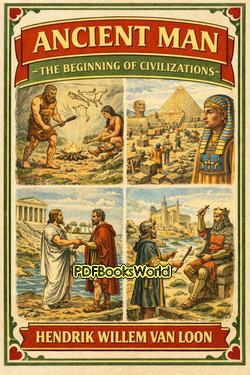
Ancient Man - The Beginning of Civilizations
by Hendrik Willem van Loon
Ancient Man: The Beginning of Civilizations
Human civilization did not appear suddenly. Thousands of years of discovery, survival, invention, and cooperation slowly transformed early humans from wandering hunters into builders of cities, governments, and cultures. Ancient Man: The Beginning of Civilizations explores this fascinating journey through the earliest stages of human history and explains how civilization gradually developed across the world.
The book introduces readers to prehistoric life, ancient societies, early inventions, and the rise of organized communities. By examining the lives of ancient people, readers gain a better understanding of how modern civilization began.
From Survival to Society
Early humans faced a difficult world filled with natural dangers, harsh climates, and limited resources. Survival required intelligence, cooperation, and adaptation.
Life During Prehistoric Times
Before cities and kingdoms existed, people lived as hunters and gatherers. Small groups traveled constantly in search of food, water, and shelter.
Daily challenges included:
- Finding food through hunting and gathering
- Protecting communities from predators
- Creating tools from stone and bone
- Surviving changing weather conditions
- Learning to control fire
Over time, humans became more skilled and organized, leading to major changes in society.
The Discovery That Changed Everything
Agriculture became one of the most important turning points in human history.
When people learned how to grow crops and domesticate animals, they no longer needed to constantly move from place to place. Permanent settlements slowly began to appear.
| Development | Impact on Civilization |
|---|---|
| Farming | Created stable food supplies |
| Animal Domestication | Improved transportation and labor |
| Permanent Villages | Allowed communities to grow |
| Trade | Connected different societies |
| Writing Systems | Preserved knowledge and laws |
These developments gradually transformed simple settlements into complex civilizations.
Early Civilizations Around the World
Several ancient civilizations became centers of learning, culture, and political organization. Each society contributed important ideas and inventions.
Mesopotamia
Often called the “cradle of civilization,” Mesopotamia developed advanced farming systems, written language, and organized cities near the Tigris and Euphrates rivers.
Ancient Egypt
Egyptian civilization became famous for pyramids, mathematics, engineering, and powerful rulers known as pharaohs.
Indus Valley Civilization
Cities in the Indus Valley showed advanced urban planning, drainage systems, and trade networks.
Ancient China
Early Chinese societies developed writing, philosophy, bronze tools, and strong political systems that influenced future generations.
Tools, Inventions, and Human Progress
Ancient civilizations constantly searched for ways to improve daily life. Simple inventions created major changes in agriculture, transportation, communication, and construction.
Important achievements included:
- The wheel
- Metal tools and weapons
- Written records
- Road systems
- Architectural engineering
- Water management systems
These innovations helped societies expand and become more organized.
Religion and Cultural Beliefs
Religion played a major role in ancient societies. People created myths, rituals, temples, and belief systems to explain nature, life, and the universe.
Religious leaders often held political influence, and many civilizations built enormous monuments connected to spiritual beliefs.
Art, storytelling, music, and traditions also became important parts of cultural identity.
What Readers Can Learn From Ancient History
Studying early civilizations helps readers understand how modern society developed over thousands of years.
Lessons From the Ancient World
- Human progress depends on cooperation
- Innovation can transform society
- Geography influences civilization
- Knowledge grows over generations
- Culture shapes human identity
Many ideas created by ancient civilizations still influence governments, education, architecture, and communication today.
Why Ancient Civilization Still Fascinates Readers
Ancient history combines mystery, archaeology, science, and storytelling. Readers remain fascinated by lost cities, ancient monuments, and the achievements of early societies.
Books about early civilizations encourage curiosity about humanity’s origins and remind readers how far civilization has evolved.
Final Thoughts
Ancient Man: The Beginning of Civilizations provides an engaging introduction to the earliest stages of human development and the rise of organized societies. Through discussions of farming, invention, religion, trade, and government, the book explains how ancient people laid the foundation for the modern world.
For readers interested in archaeology, ancient cultures, and world history, the book offers an educational journey through humanity’s earliest achievements and the beginnings of civilization itself.
Similar Genres
About the Author
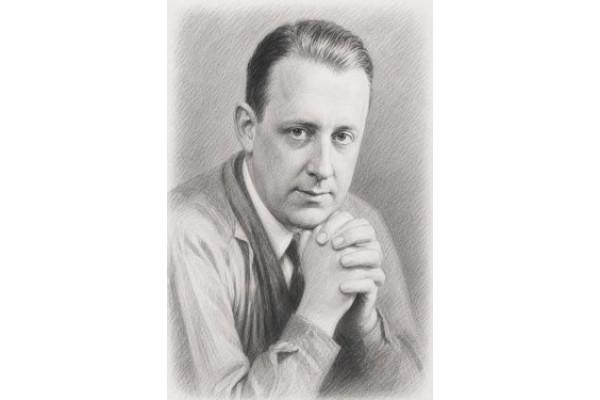
Hendrik Willem van Loon was a Dutch-American historian, journalist, illustrator, and author whose engaging books introduced generations of readers to world history, geography, science, and culture. Born in Rotterdam in 1882, van Loon emigrated to the United States, where he became one of the twentieth century's most popular writers of educational literature. Explore Hendrik Willem van Loon books to discover the author's life, literary career, and access notable works, including The Story of Mankind , and more.