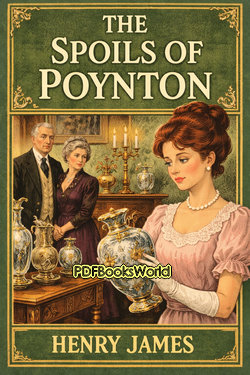
The Spoils of Poynton
by Henry James
Beauty, Possession, and Emotional Conflict in Henry James’s Elegant Domestic Drama
The Spoils of Poynton by Henry James is a psychologically rich novel that explores art, ownership, love, and emotional manipulation within the setting of an upper-class English household. Through subtle social conflict and emotional tension, Henry James examines how personal identity and emotional attachment can become tied to beautiful objects and family expectations.
The story centers on the fate of a magnificent country house filled with valuable art and furniture, but beneath the discussion of possessions lies a deeper struggle involving pride, love, control, and emotional loyalty.
The result is a sophisticated and emotionally layered novel about beauty, obsession, and human relationships.
A House Filled With Beauty and Emotional Meaning
Poynton is an elegant country home carefully decorated by Mrs. Gereth, a refined and intelligent widow with exceptional artistic taste. The house and its treasures represent her life’s passion, identity, and emotional achievement.
Problems begin when her son Owen becomes engaged to Mona Brigstock, a woman Mrs. Gereth considers shallow and incapable of appreciating the beauty of Poynton. Fearing the destruction of everything she values, Mrs. Gereth becomes emotionally determined to protect the house and its treasures.
Meanwhile, the thoughtful and sensitive Fleda Vetch becomes caught in the emotional conflict between loyalty, love, and morality.
Important Characters in the Novel
Characters
- Mrs. Gereth
A passionate and emotionally intense woman deeply attached to the beauty of Poynton. - Fleda Vetch
A sensitive and intelligent young woman struggling with loyalty, honesty, and emotional conflict. - Owen Gereth
Mrs. Gereth’s good-natured but emotionally uncertain son. - Mona Brigstock
Owen’s fiancée whose practical nature clashes with Mrs. Gereth’s artistic values.
The emotional relationships between these characters create the novel’s subtle but powerful drama.
A Psychological and Emotionally Detailed Writing Style
Henry James uses a reflective and psychologically precise style throughout The Spoils of Poynton. Emotional conflict develops through conversation, emotional hesitation, and shifting personal loyalties rather than dramatic action.
James carefully explores how material objects can carry emotional meaning and become connected to identity, memory, and personal pride. The tension between beauty and possession gives the novel unusual emotional depth.
The elegant prose creates an atmosphere filled with emotional pressure and quiet intensity.
Main Themes Explored Throughout the Story
Themes
- Beauty and Material Possession
The novel examines how art and objects can become emotionally and personally important. - Love and Emotional Manipulation
Relationships are shaped by loyalty, influence, and hidden emotional pressure. - Tradition Versus Practicality
Characters disagree about the meaning and value of culture, taste, and refinement. - Identity and Personal Attachment
Mrs. Gereth’s connection to Poynton reflects deeper emotional needs and fears.
These themes make the novel emotionally subtle and intellectually engaging.
One of Henry James’s Finest Domestic Novels
The Spoils of Poynton is admired for its psychological realism and careful exploration of emotional obsession. Henry James transforms a dispute about furniture and inheritance into a profound study of love, beauty, pride, and emotional dependence.
The novel also demonstrates James’s extraordinary ability to create tension through small emotional changes and social interaction. Every conversation contains hidden feeling and moral uncertainty.
The emotional complexity of the characters continues to fascinate readers and critics alike.
Why the Novel Still Resonates Today
Even today, The Spoils of Poynton remains compelling because its themes continue to feel relevant. Readers still understand emotional attachment to beauty, personal space, and meaningful possessions.
The novel also feels modern in its psychological insight and realistic portrayal of family conflict and emotional manipulation. James explores human desire and insecurity with remarkable intelligence.
For readers interested in literary classics, psychological fiction, and emotionally complex social drama, this novel remains elegant, subtle, and deeply rewarding.
Similar Genres
About the Author
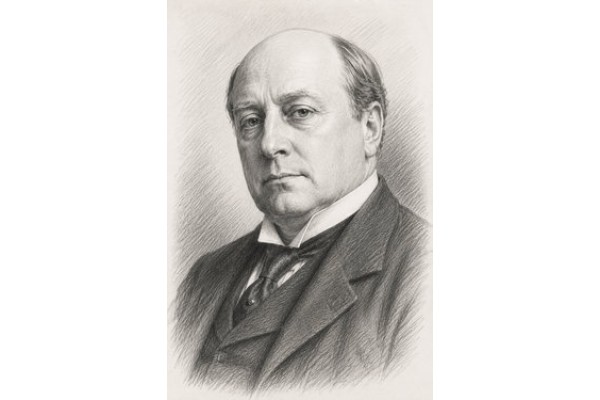
Henry James was one of the most influential novelists of the late nineteenth and early twentieth centuries, renowned for bringing exceptional psychological depth to fiction. Born in New York in 1843, he later settled in Europe, where his experiences shaped a distinctive literary voice that blended American perspectives with European culture. Explore Henry James books to discover the author's life, literary career, and access notable works, including Daisy Miller - A Study, The Turn of the Screw, The Point of View, The Pension Beaurepas , and more.