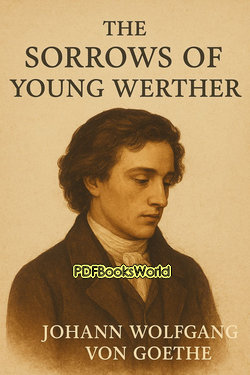
The Sorrows of Young Werther
by Johann Wolfgang von Goethe
Love, Emotion, and Despair in The Sorrows of Young Werther
The Sorrows of Young Werther by Johann Wolfgang von Goethe is one of the most influential novels of European Romanticism. First published in 1774, the novel tells the tragic story of Werther, a sensitive young artist whose intense emotional nature leads him into overwhelming love, loneliness, and despair.
Written as a series of letters, the novel follows Werther’s growing attachment to Charlotte, a woman already engaged to another man. As his emotional suffering deepens, the story becomes a powerful exploration of passion, individuality, and the destructive side of uncontrolled emotion.
Why the Novel Became So Influential
Goethe’s novel captured the emotional spirit of the Romantic movement by emphasizing feeling, imagination, and personal experience. The book became an international sensation and strongly influenced literature, fashion, philosophy, and artistic culture across Europe.
Reasons Readers Continue to Admire the Novel
- Intense emotional and psychological depth
- Beautiful and expressive prose style
- Important work of Romantic literature
- Exploration of love and emotional suffering
- Strong influence on European culture
The novel remains one of the defining literary works of the Romantic era.
Werther’s Emotional World
Werther experiences emotions with extraordinary intensity. He finds deep beauty in nature, art, and human connection, yet his emotional sensitivity also makes him vulnerable to despair and isolation.
His love for Charlotte gradually becomes impossible to control, leading him toward emotional collapse. Goethe presents Werther as both admirable and tragically self-destructive.
Readers interested in Romantic literature can explore Britannica’s article on Romanticism.
Nature and Individual Emotion
Nature plays a major role throughout the novel. Werther often connects his emotional state to landscapes, seasons, and natural beauty. This close relationship between human feeling and the natural world became a central feature of Romantic writing.
The novel also reflects Romantic ideas about individuality, imagination, and emotional authenticity.
Major Themes in the Novel
- Love and emotional obsession
- Loneliness and alienation
- The beauty and danger of intense feeling
- Nature and personal emotion
- Individuality and social restraint
Goethe’s Literary Style
Johann Wolfgang von Goethe uses a deeply personal and emotional writing style that allows readers to experience Werther’s thoughts directly. The epistolary structure, presented through letters, creates intimacy and psychological realism.
The lyrical language and emotional honesty helped establish Goethe as one of the greatest writers in German literature.
More about Goethe’s literary influence can be found through Encyclopaedia Britannica’s biography of Johann Wolfgang von Goethe.
The Novel’s Cultural and Literary Influence
The Sorrows of Young Werther had a massive impact on European culture after publication. Young readers identified strongly with Werther’s emotional struggles, and the novel helped spread Romantic ideals across literature and art.
The work also influenced later psychological fiction through its focus on inner emotion and personal suffering.
Readers interested in the broader Romantic movement can also visit Poetry Foundation’s introduction to Romanticism.
Final Thoughts
The Sorrows of Young Werther remains a powerful exploration of love, emotion, and human vulnerability. Johann Wolfgang von Goethe created a deeply influential novel that continues to resonate with readers through its emotional intensity, poetic beauty, and psychological insight.
Similar Genres
About the Author
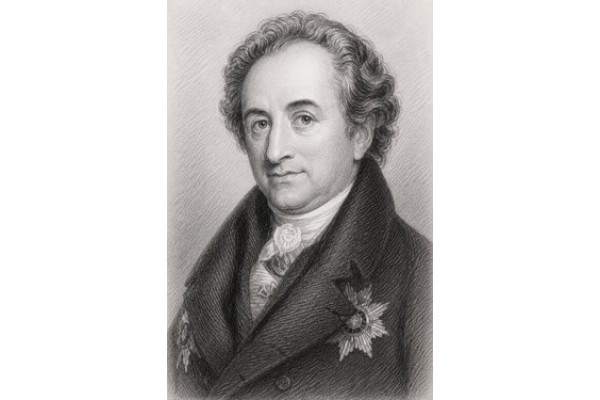
Johann Wolfgang von Goethe was a German poet, novelist, playwright, scientist, and philosopher whose extraordinary literary achievements made him one of the greatest figures in world literature. Born in Frankfurt in 1749, Goethe transformed European culture through works that explored love, ambition, knowledge, nature, and the human spirit. Explore Johann Wolfgang von Goethe books to discover the author's life, literary career, and access notable works, including Faust , and more.