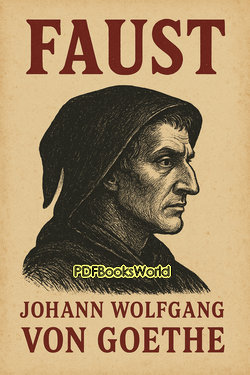
Faust
by Johann Wolfgang von Goethe
Why Faust Continues to Fascinate Readers Around the World
Faust by Johann Wolfgang von Goethe remains one of the most celebrated achievements in world literature. Combining philosophy, tragedy, romance, mythology, and supernatural drama, the play examines the deepest human desires for knowledge, pleasure, success, and meaning. Goethe spent many years developing the work, and the result became a timeless exploration of ambition, morality, and spiritual conflict.
The play has influenced generations of writers, composers, philosophers, and dramatists. Even today, Faust continues to attract readers because its themes remain deeply connected to modern human struggles and personal desires.
The Central Story Behind the Drama
The story follows Faust, a highly educated scholar who becomes frustrated with the limits of human knowledge. Despite years of study, he feels empty and dissatisfied with life. In desperation, he enters into a pact with Mephistopheles, a cunning demonic figure who offers him worldly pleasures, power, and unlimited experiences.
This dangerous agreement becomes the foundation of a dramatic journey involving temptation, love, guilt, suffering, and redemption.
- Blends philosophy with emotional drama
- Uses poetic and symbolic storytelling
- Explores the dangers of uncontrolled ambition
- Mixes supernatural elements with human emotion
- Questions the meaning of happiness and success
Readers interested in the literary history of the play can explore more through Encyclopaedia Britannica.
Johann Wolfgang von Goethe and His Literary Influence
Johann Wolfgang von Goethe was one of Germany’s greatest literary figures and among the most influential writers in European culture. Beyond poetry and drama, Goethe also studied science, philosophy, politics, and art. His broad intellectual interests helped shape the rich and complex themes found in Faust.
Goethe’s writing influenced many later thinkers and artists across Europe. His ability to combine emotional storytelling with philosophical depth made his works respected far beyond Germany.
Important Ideas Explored Throughout the Play
Human Ambition and Dissatisfaction
Faust represents the human desire for more knowledge, greater experiences, and complete fulfillment. His dissatisfaction reflects a universal struggle that many readers still recognize today.
The Temptation of Power
Mephistopheles offers Faust the chance to escape ordinary limitations. The play shows how the pursuit of pleasure and power can lead to dangerous moral consequences.
Love, Innocence, and Tragedy
The tragic relationship between Faust and Gretchen becomes one of the emotional highlights of the drama. Their story reveals themes of innocence, emotional suffering, guilt, and personal responsibility.
The Conflict Between Good and Evil
Throughout the play, Goethe examines spiritual conflict and moral struggle. The drama asks whether human beings can find redemption despite their mistakes and weaknesses.
Why the Play Remains Relevant Today
Although Faust was written centuries ago, its themes continue to connect with modern readers. Questions about ambition, temptation, personal fulfillment, and moral responsibility remain important in every generation.
- Widely taught in literature and philosophy courses
- Rich in symbolism and interpretation
- Influenced countless plays, operas, and films
- Combines intellectual ideas with emotional storytelling
- Explores timeless questions about human nature
Students and literature enthusiasts can also explore additional discussions through Wikipedia’s article on Faust and CliffNotes.
The Cultural Legacy of Faust
The influence of Faust extends far beyond literature. The story inspired famous operas, theatrical productions, musical compositions, novels, and modern films. The character of Faust became a symbol of dangerous ambition and the endless pursuit of personal desire.
Writers and philosophers often reference the “Faustian bargain” when describing situations where individuals sacrifice moral values in exchange for power or success.
A Masterpiece That Still Challenges Readers
Faust continues to stand as one of the greatest dramatic works ever written because it explores the complexity of human desire with remarkable depth and imagination. Goethe’s masterpiece invites readers to reflect on knowledge, morality, temptation, and the search for meaning in life.
Its combination of poetry, philosophy, and emotional drama ensures that Faust remains relevant for readers, students, and thinkers across generations.
Similar Genres
About the Author
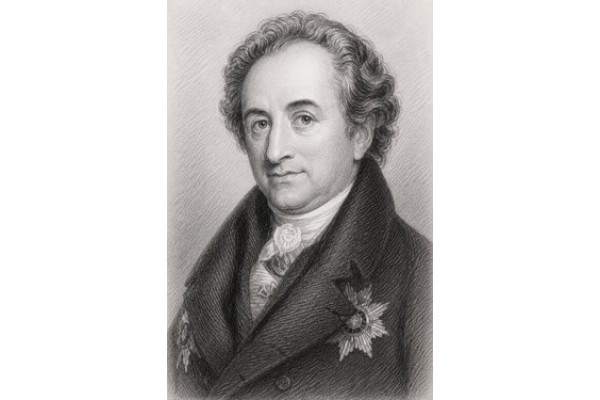
Johann Wolfgang von Goethe was a German poet, novelist, playwright, scientist, and philosopher whose extraordinary literary achievements made him one of the greatest figures in world literature. Born in Frankfurt in 1749, Goethe transformed European culture through works that explored love, ambition, knowledge, nature, and the human spirit. Explore Johann Wolfgang von Goethe books to discover the author's life, literary career, and access notable works, including The Sorrows of Young Werther , and more.