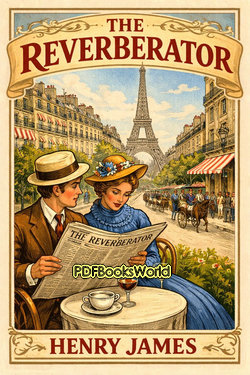
The Reverberator
by Henry James
Journalism, Privacy, and Social Scandal in Henry James’s Sharp International Comedy
The Reverberator by Henry James is a witty and socially observant novel that explores gossip, journalism, reputation, and the cultural differences between American openness and European privacy. Through humor, emotional tension, and psychological insight, Henry James examines how public curiosity and careless communication can disrupt relationships and social harmony.
The novel reflects James’s growing interest in modern media and the changing relationship between private life and public attention. Beneath the comedy lies a thoughtful critique of social ambition, publicity, and emotional misunderstanding.
The result is an elegant and entertaining story filled with satire, cultural contrast, and emotional complexity.
A Newspaper Interview Creates Unexpected Trouble
The story begins when George Flack, an energetic American journalist, interviews members of a wealthy American family living in Europe. Believing that openness and publicity are modern virtues, Flack publishes personal details about the family in his newspaper, The Reverberator.
However, the publication causes embarrassment and social conflict, especially among European aristocratic circles that value privacy and discretion. Romantic relationships become strained as misunderstandings and emotional tension grow.
James carefully shows how public exposure can damage trust and personal relationships.
Important Characters in the Novel
- George Flack
An ambitious American journalist who values publicity, openness, and modern social energy. - Francie Dosson
A charming and innocent young American woman caught between cultural expectations and emotional pressure. - Gaston Probert
A French aristocrat emotionally affected by the social consequences of public exposure. - The Dosson Family
Wealthy Americans navigating European society and its unfamiliar social customs.
The interactions between these characters create both comic situations and emotional conflict.
A Witty and Socially Detailed Writing Style
Henry James writes with elegance, humor, and sharp social observation throughout The Reverberator. Much of the drama develops through conversation, reputation, and emotional reaction rather than dramatic action.
James carefully contrasts American directness with European social restraint, revealing both strengths and weaknesses on each side. The novel’s satire remains gentle but psychologically insightful.
The lively prose creates a story that feels both entertaining and intellectually engaging.
Main Themes Explored Throughout the Story
- Privacy Versus Publicity
The novel examines the emotional consequences of exposing private life to public attention. - Journalism and Modern Society
James explores the growing influence of newspapers and media culture. - American and European Cultural Difference
The story contrasts openness and informality with tradition and discretion. - Reputation and Emotional Trust
Relationships become damaged by misunderstanding, gossip, and social embarrassment.
These themes make the novel socially relevant and psychologically engaging.
An Interesting Henry James Satire of Modern Communication
The Reverberator reflects Henry James’s awareness of the changing modern world, especially the growing power of journalism and public opinion. The novel humorously questions whether complete openness truly benefits human relationships.
James also demonstrates his remarkable ability to create emotional tension through social situations and cultural misunderstanding. Even light comedy carries deeper psychological meaning.
The novel remains especially fascinating for readers interested in media, reputation, and social behavior.
Why the Novel Still Feels Modern Today
Even today, The Reverberator feels remarkably relevant because its themes strongly resemble modern concerns about media exposure, privacy, gossip, and public image.
The novel also feels contemporary in its exploration of how communication technology and public attention affect personal relationships. James examines these issues with wit, intelligence, and emotional realism.
For readers interested in literary classics, social satire, and psychologically observant fiction, this novel remains clever, entertaining, and surprisingly modern.
Similar Genres
About the Author
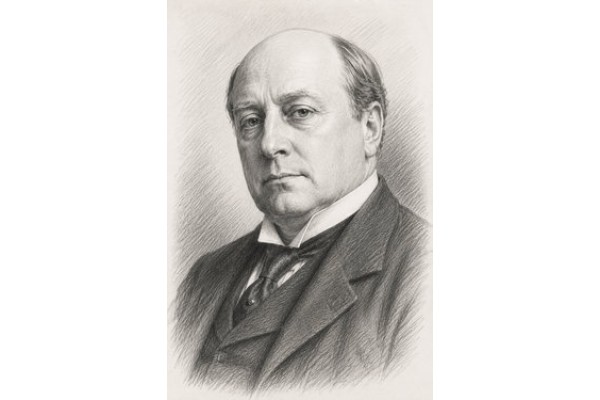
Henry James was one of the most influential novelists of the late nineteenth and early twentieth centuries, renowned for bringing exceptional psychological depth to fiction. Born in New York in 1843, he later settled in Europe, where his experiences shaped a distinctive literary voice that blended American perspectives with European culture. Explore Henry James books to discover the author's life, literary career, and access notable works, including Daisy Miller - A Study, The Turn of the Screw, The Point of View, The Pension Beaurepas , and more.