
The Pupil
by Henry James
A Quiet but Heartbreaking Story of Intelligence, Loneliness, and Betrayal
The Pupil by Henry James is a deeply emotional novella that explores childhood vulnerability, emotional neglect, social appearance, and the complicated relationship between a young boy and his tutor. Through subtle psychological storytelling, Henry James creates a moving portrait of intelligence and innocence trapped within a dishonest and selfish world.
The story focuses on emotional tension rather than dramatic action, allowing readers to slowly understand the pain and loneliness experienced by its central characters. James carefully examines how adults often fail children emotionally while pretending to maintain respectability and social charm.
The result is a powerful and quietly tragic work filled with psychological insight and human compassion.
A Tutor Meets an Unusually Intelligent Child
The novella follows Pemberton, a young tutor hired to educate Morgan Moreen, the sickly but remarkably intelligent son of a wealthy family. At first, Pemberton believes the position will offer stability and opportunity, but he soon realizes the Moreen family lives through deception, financial irresponsibility, and social manipulation.
Among the selfish adults surrounding him, Morgan stands apart because of his honesty, emotional sensitivity, and sharp understanding of the world around him. A strong emotional bond gradually develops between the boy and his tutor.
As the story progresses, the emotional situation becomes increasingly painful and complicated.
Important Characters in the Novella
Characters
- Morgan Moreen
A fragile but highly intelligent child who understands far more about the adult world than people expect. - Pemberton
The young tutor who develops genuine affection and concern for Morgan. - The Moreen Family
A socially charming but irresponsible family driven by selfishness and financial dishonesty.
The emotional relationships between these characters create the novella’s quiet but devastating tension.
A Psychological and Emotionally Subtle Writing Style
Henry James uses a reflective and psychologically detailed style throughout The Pupil. Much of the story’s emotional power comes from conversation, silence, and unspoken understanding rather than dramatic events.
James carefully reveals the emotional suffering hidden beneath polite social behavior. Readers gradually recognize the moral emptiness of the adults while becoming increasingly attached to Morgan’s intelligence and vulnerability.
This subtle approach creates emotional depth and lasting impact.
Main Themes Explored Throughout the Story
Themes
- Childhood Vulnerability
The novella explores how intelligent and sensitive children can suffer within selfish adult environments. - Emotional Neglect and Responsibility
The story criticizes adults who fail to provide honesty, care, and protection. - Appearance Versus Reality
The Moreens maintain social charm while hiding financial and moral instability. - Compassion and Human Connection
The relationship between Morgan and Pemberton becomes the emotional center of the story.
These themes help make the novella emotionally powerful and psychologically insightful.
One of Henry James’s Most Moving Short Works
The Pupil is often admired for its emotional subtlety and psychological realism. Henry James creates deep sympathy for Morgan without using excessive sentimentality or dramatic exaggeration.
The novella also demonstrates James’s extraordinary ability to portray emotional complexity through small interactions and quiet observation. The tension grows naturally as readers understand more about the characters’ emotional lives.
The story’s tragic emotional impact remains strong long after it ends.
Why the Novella Still Resonates Today
Even today, The Pupil continues to affect readers because its themes remain universal. Questions about emotional neglect, childhood vulnerability, and genuine human care still feel highly relevant.
The novella also feels modern in its psychological insight and realistic portrayal of family dysfunction. James explores emotional manipulation and hidden suffering with remarkable sensitivity.
For readers interested in psychological fiction, emotionally intelligent storytelling, and literary classics about childhood and human relationships, this novella remains a profound and unforgettable read.
Similar Genres
About the Author
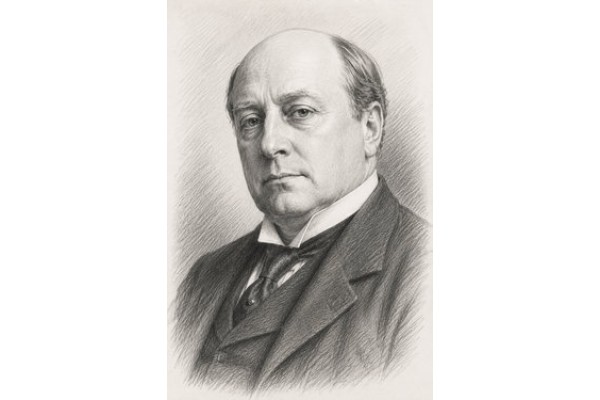
Henry James was one of the most influential novelists of the late nineteenth and early twentieth centuries, renowned for bringing exceptional psychological depth to fiction. Born in New York in 1843, he later settled in Europe, where his experiences shaped a distinctive literary voice that blended American perspectives with European culture. Explore Henry James books to discover the author's life, literary career, and access notable works, including Daisy Miller - A Study, The Turn of the Screw, The Point of View, The Pension Beaurepas , and more.