
The Portrait of a Lady Vol II
by Henry James
Emotional Conflict and Difficult Choices Deepen Isabel Archer’s Journey
The Portrait of a Lady Vol II by Henry James continues the powerful story of Isabel Archer as she becomes more deeply involved in the emotional and social complexities of European life. The second volume moves beyond youthful freedom and curiosity into a world shaped by relationships, manipulation, and difficult personal decisions.
Henry James carefully develops the psychological depth of the novel, showing how Isabel’s search for independence becomes increasingly complicated. Conversations, hidden motives, and emotional tension slowly reveal the dangers beneath the elegant surface of society.
The result is a thoughtful and emotionally rich continuation of one of James’s greatest literary works.
Isabel Faces the Consequences of Freedom
In this volume, Isabel continues to attract admiration because of her intelligence, beauty, and independent spirit. However, her growing confidence also places her in emotionally dangerous situations.
As new relationships develop, Isabel begins to encounter individuals whose charm hides selfishness, ambition, or manipulation. She must balance her desire for freedom with the realities of trust, love, and social expectation.
James gradually increases the emotional pressure surrounding Isabel’s decisions, creating quiet but powerful tension throughout the story.
Important Characters in Volume II
Characters
- Isabel Archer
A thoughtful and independent woman struggling to protect her freedom and identity. - Gilbert Osmond
A refined and intelligent man whose influence over Isabel becomes increasingly important. - Madame Merle
A sophisticated and socially skilled woman whose hidden motives affect several relationships. - Ralph Touchett
Isabel’s loyal relative who continues to care deeply about her happiness and future.
The emotional and psychological relationships between these characters drive much of the novel’s tension.
A Novel Built on Subtle Emotional Drama
Henry James continues to use a reflective and psychological writing style in The Portrait of a Lady Vol II. Much of the drama develops through conversations, observations, and emotional misunderstandings rather than sudden action.
James pays close attention to social behavior and hidden motives, allowing readers to slowly recognize truths that some characters fail to see immediately. The careful pacing increases emotional suspense and realism.
This subtle approach gives the novel its intellectual and emotional richness.
Main Themes Explored Throughout the Volume
Themes
- Freedom and Personal Responsibility
Isabel discovers that independence also brings difficult emotional consequences. - Appearance Versus Reality
Characters often hide selfish motives behind elegance and social charm. - Manipulation and Control
The novel examines how relationships can influence and limit personal freedom. - Emotional Growth and Experience
Isabel’s experiences slowly transform her understanding of people and society.
These themes deepen the emotional complexity of the novel while preparing for later developments in the story.
Henry James’s Remarkable Psychological Insight
The Portrait of a Lady Vol II demonstrates Henry James’s extraordinary ability to explore human psychology and emotional conflict. Rather than relying on dramatic events, he creates tension through subtle emotional shifts and careful observation.
Readers become deeply involved in Isabel’s inner world as she struggles to understand herself and the people around her. James portrays emotional uncertainty with realism and intelligence.
The novel’s sophistication and emotional depth helped establish it as one of the greatest works of literary fiction.
Why the Story Continues to Feel Modern
Even today, The Portrait of a Lady continues to resonate because its themes of independence, emotional vulnerability, and personal choice remain timeless. Isabel’s struggle to maintain her identity within complicated relationships still feels deeply relatable.
Modern readers also appreciate the novel’s psychological realism and its thoughtful exploration of social pressure and emotional manipulation.
For readers interested in classic literature, character-driven storytelling, and emotionally intelligent fiction, this second volume remains absorbing and unforgettable.
Similar Genres
About the Author
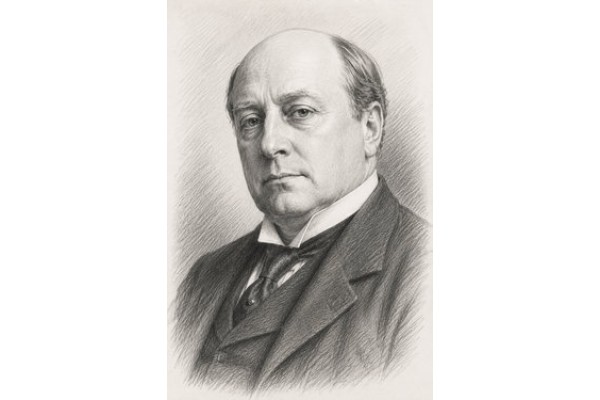
Henry James was one of the most influential novelists of the late nineteenth and early twentieth centuries, renowned for bringing exceptional psychological depth to fiction. Born in New York in 1843, he later settled in Europe, where his experiences shaped a distinctive literary voice that blended American perspectives with European culture. Explore Henry James books to discover the author's life, literary career, and access notable works, including Daisy Miller - A Study, The Turn of the Screw, The Point of View, The Pension Beaurepas , and more.