
The Pilgrim's Progress from this world to that which is to come
by John Bunyan
A Timeless Spiritual Journey Filled With Faith, Struggle, and Redemption
The Pilgrim's Progress from This World to That Which Is to Come by John Bunyan is one of the most famous religious allegories in English literature. First published in 1678, the book tells the symbolic story of a man named Christian as he journeys from the “City of Destruction” toward the “Celestial City,” representing the spiritual path toward salvation and eternal life.
The work became one of the most widely read books in the English-speaking world because of its simple storytelling, moral lessons, and strong spiritual themes. Through symbolic characters and dramatic challenges, Bunyan explores ideas connected to faith, temptation, perseverance, and redemption within the tradition of religious allegorical literature.
About the Author
John Bunyan was an English writer and preacher best known for his religious works and sermons. He wrote The Pilgrim’s Progress while imprisoned for preaching without official permission during a period of religious conflict in England.
Bunyan’s writing reflected his deep religious faith and his belief that spiritual truth could be communicated through simple and meaningful storytelling.
Main Themes of the Book
The story follows Christian as he travels through dangerous places and encounters symbolic characters representing virtues, sins, temptations, and spiritual challenges.
Important Themes Discussed
- Faith and spiritual growth
- Temptation and moral struggle
- Perseverance through hardship
- Salvation and redemption
Each stage of Christian’s journey represents emotional, moral, and spiritual experiences faced by individuals seeking truth and personal transformation.
The Symbolic Journey of Christian
Throughout the story, Christian encounters locations such as the Slough of Despond, Vanity Fair, and the Valley of the Shadow of Death. These symbolic settings represent fear, distraction, suffering, and moral danger.
As Christian continues his journey, he learns lessons about courage, faith, and spiritual perseverance. The allegorical style allows readers to interpret the story on both personal and religious levels.
What Makes the Book Unique
- Powerful religious symbolism
- Simple yet meaningful storytelling
- Strong moral and spiritual lessons
Writing Style
Bunyan’s writing style is direct, imaginative, and accessible. He uses vivid imagery and symbolic storytelling to communicate complex spiritual ideas in a way ordinary readers could easily understand.
The conversational and narrative style helped make the book popular among readers from many different backgrounds.
Historical Importance
The Pilgrim’s Progress became one of the most influential works in the history of Christian and English literature. Its allegorical storytelling influenced countless religious writers, novelists, and moral narratives across centuries.
Historical Features
- One of the most widely read religious books in English
- Major influence on allegorical storytelling
- Reflection of religious culture in seventeenth-century England
The book also provided insight into the religious conflicts and spiritual beliefs of Bunyan’s time.
Lessons for Modern Readers
Modern readers continue to appreciate the book because of its universal themes of perseverance, personal struggle, and hope. Even readers outside religious traditions can connect with its symbolic journey of overcoming obstacles and seeking meaning.
The story also encourages reflection on morality, purpose, and the importance of staying committed during difficult times.
Conclusion
The Pilgrim's Progress from This World to That Which Is to Come by John Bunyan remains a classic spiritual and literary masterpiece. Through symbolic storytelling, moral lessons, and vivid imagination, Bunyan created a timeless journey that continues to inspire readers seeking faith, courage, and personal transformation.
Similar Genres
About the Author
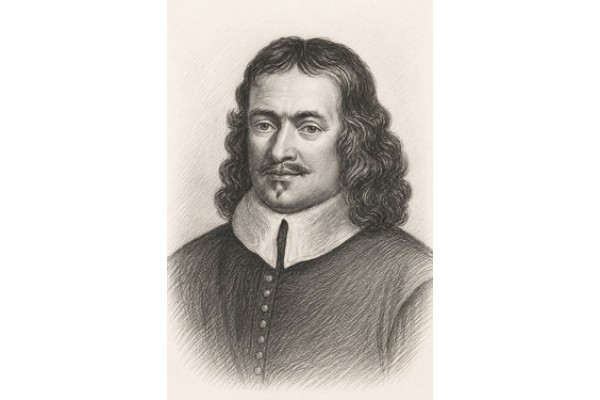
John Bunyan was an English preacher, theologian, and author whose deeply spiritual writings have inspired readers for more than three centuries. Born in Elstow, Bedfordshire, in 1628, Bunyan overcame humble beginnings and years of imprisonment for his religious beliefs to become one of the most influential Christian writers in history. Explore John Bunyan books to discover the author's life, literary career, and access notable works, including Grace Abounding to the Chief of Sinners , and more.