
Grace Abounding to the Chief of Sinners
by John Bunyan
Sin, Redemption, and the Spiritual Journey of Christian Conversion
Grace Abounding to the Chief of Sinners by John Bunyan is a deeply personal spiritual autobiography describing Bunyan’s struggles with sin, doubt, fear, temptation, and eventual religious assurance through faith in God’s grace. Written during the seventeenth century, the work stands as one of the most important autobiographical and devotional texts in Protestant literature.
Bunyan presents his life not as a story of personal achievement, but as a testimony to divine mercy working within a troubled and spiritually anxious soul.
The Inner Struggle for Salvation
The book recounts Bunyan’s intense spiritual conflicts as he wrestles with guilt, despair, fear of damnation, and uncertainty concerning his salvation. He describes periods of overwhelming anxiety in which he believed himself condemned because of sinful thoughts, pride, temptation, and spiritual weakness.
Bunyan repeatedly examines his conscience, searching for evidence of genuine faith and fearing that he had committed unforgivable sins against God.
Rather than presenting religious life as emotionally simple or peaceful, the work reveals conversion as a painful and deeply personal struggle involving doubt, suffering, and spiritual longing.
The volume reflects the strong influence of Puritan spirituality, which emphasized inward examination, repentance, and direct personal relationship with God.
Its tone combines emotional honesty with passionate religious devotion and scriptural reflection.
The Power of Divine Grace
A major theme throughout the book is that salvation depends entirely upon God’s grace rather than human worthiness or perfection.
Bunyan repeatedly emphasizes that even those who consider themselves the worst of sinners may receive forgiveness through faith and divine mercy.
The work also demonstrates how scripture became a source of both terror and comfort during Bunyan’s spiritual journey, shaping his understanding of sin, redemption, and hope.
This emphasis on grace and personal faith helped make the book one of the most influential devotional works in Protestant Christianity.
Religious and Spiritual Themes Explored Throughout the Book
- Sin and Spiritual Anxiety: Bunyan examines guilt, temptation, fear, and inner religious struggle.
- Grace and Divine Mercy: The book emphasizes salvation through God’s forgiveness rather than human merit.
- Faith and Conversion: Personal spiritual transformation becomes central to Christian experience.
- Scripture and Religious Reflection: Biblical passages shape Bunyan’s understanding of salvation and hope.
- Puritan Spirituality and Self-Examination: The work reflects intense inward focus upon conscience and spiritual condition.
The book stands as one of the great classics of Protestant devotional literature.
The Human Soul in Search of Assurance
One of the work’s strongest ideas is that spiritual peace often emerges only after deep struggle, repentance, and recognition of human weakness.
Bunyan repeatedly demonstrates how fear and despair may eventually lead believers toward stronger faith and dependence upon divine grace.
The book also reveals the emotional intensity of seventeenth-century religious experience, especially within Puritan communities.
This profound psychological and spiritual honesty gives the work enduring literary and religious power.
John Bunyan’s Direct and Personal Style
Grace Abounding to the Chief of Sinners demonstrates John Bunyan’s remarkable ability to describe inner emotional and spiritual experience with sincerity, vividness, and emotional force.
The writing remains personal, confessional, and strongly focused upon the relationship between conscience, scripture, temptation, and redemption.
Bunyan consistently presents his own suffering as evidence of the transformative power of divine grace.
Why the Book Still Holds Religious and Literary Importance
Modern readers continue finding Grace Abounding to the Chief of Sinners important because it remains one of the most influential spiritual autobiographies in Christian literature.
The book also provides insight into Puritan theology, seventeenth-century religious culture, and the emotional intensity of Protestant spiritual life during a period of political and religious upheaval.
Its themes of guilt, forgiveness, redemption, and spiritual perseverance continue resonating with readers interested in faith, psychology, and personal transformation.
For readers interested in Christian theology, devotional literature, Puritan history, autobiography, spiritual psychology, and religious experience, this work remains emotionally powerful, spiritually influential, and historically significant.
Similar Genres
About the Author
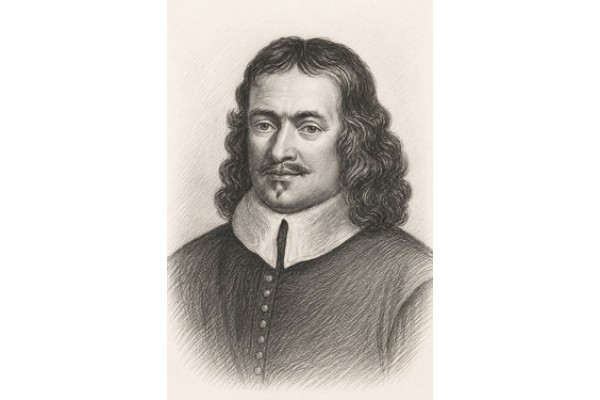
John Bunyan was an English preacher, theologian, and author whose deeply spiritual writings have inspired readers for more than three centuries. Born in Elstow, Bedfordshire, in 1628, Bunyan overcame humble beginnings and years of imprisonment for his religious beliefs to become one of the most influential Christian writers in history. Explore John Bunyan books to discover the author's life, literary career, and access notable works, including The Pilgrim's Progress from this world to that which is to come , and more.