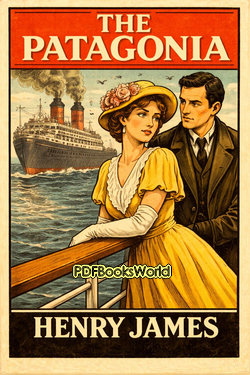
The Patagonia
by Henry James
A Shipboard Encounter Filled With Humor, Observation, and Social Curiosity
The Patagonia by Henry James is a lively and psychologically observant short story that explores social manners, flirtation, misunderstanding, and the emotional dynamics that emerge during travel. Set aboard an ocean liner crossing the Atlantic, the story examines how temporary social environments can encourage unusual relationships and emotional uncertainty.
Henry James combines wit, subtle irony, and careful character observation to create a narrative where conversation and social behavior reveal deeper emotional motives. Beneath the elegant surface lies a thoughtful study of attraction, reputation, and personal perception.
The result is a charming and intelligent story about human interaction within a confined and emotionally charged setting.
A Voyage Creates Unexpected Social Tension
The story takes place aboard the ship Patagonia, where passengers from different backgrounds spend long days observing and interacting with one another during the voyage. Within this enclosed social world, small conversations and gestures quickly become emotionally meaningful.
The narrator becomes interested in the relationships developing among several passengers, especially involving flirtation, emotional uncertainty, and social appearance. James carefully portrays how travel creates temporary intimacy between strangers while also encouraging misunderstanding and emotional performance.
The ship itself becomes a floating stage for social comedy and psychological observation.
Important Characters in the Story
- The Narrator
An observant traveler fascinated by the emotional behavior and social interactions of fellow passengers. - The Female Passengers
Women whose charm, intelligence, and social behavior contribute to the emotional tension aboard the ship. - The Male Admirers and Observers
Passengers navigating attraction, politeness, and social uncertainty during the voyage.
The shifting relationships between these individuals create the story’s subtle emotional drama.
A Light but Psychologically Detailed Writing Style
Henry James writes with elegance and wit throughout The Patagonia. The story develops through conversation, observation, and emotional suggestion rather than dramatic external events.
James carefully captures the rhythms of shipboard life while exploring the hidden motives beneath polite social interaction. Readers are encouraged to notice emotional meaning beneath casual remarks and refined manners.
The graceful prose creates both humor and psychological sophistication.
Main Themes Explored Throughout the Story
- Travel and Temporary Relationships
The story explores how journeys create unusual emotional and social connections. - Social Appearance and Emotional Reality
Characters often present polished public identities hiding uncertainty or desire. - Observation and Interpretation
The narrator carefully studies behavior while attempting to understand hidden motives. - Flirtation and Emotional Ambiguity
James examines the subtle emotional tension created by attraction and misunderstanding.
These themes give the story charm, emotional subtlety, and social insight.
An Interesting Example of Henry James’s Social Storytelling
The Patagonia reflects Henry James’s fascination with social environments where emotional tension develops quietly through conversation and observation. The confined setting of the ship allows him to closely examine human behavior and shifting relationships.
The story also demonstrates James’s remarkable ability to create emotional complexity from seemingly ordinary interactions. Small gestures and casual exchanges gradually reveal deeper psychological meaning.
Its combination of travel atmosphere and social observation makes the story especially engaging.
Why the Story Still Appeals to Modern Readers
Even today, The Patagonia continues to resonate because its themes remain familiar and relatable. Readers still recognize the emotional uncertainty, social performance, and fleeting connections that often emerge during travel.
The story also feels modern in its psychological realism and nuanced portrayal of attraction and communication. James explores these experiences with intelligence, humor, and subtle emotional insight.
For readers interested in literary classics, social fiction, and psychologically observant short stories, this work remains elegant, entertaining, and rewarding.
Similar Genres
About the Author
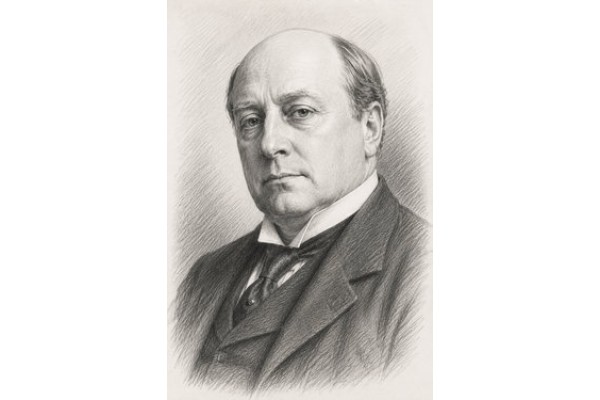
Henry James was one of the most influential novelists of the late nineteenth and early twentieth centuries, renowned for bringing exceptional psychological depth to fiction. Born in New York in 1843, he later settled in Europe, where his experiences shaped a distinctive literary voice that blended American perspectives with European culture. Explore Henry James books to discover the author's life, literary career, and access notable works, including Daisy Miller - A Study, The Turn of the Screw, The Point of View, The Pension Beaurepas , and more.