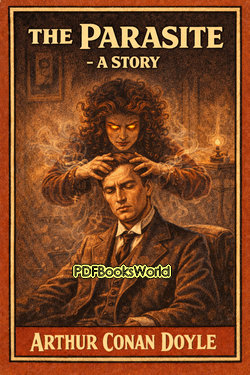
The Parasite - A Story
by Arthur Conan Doyle
A Dark Psychological Tale of Control and Obsession
The Parasite: A Story by Arthur Conan Doyle is a suspenseful and unusual novel that explores hypnosis, mental influence, and psychological fear. Unlike Doyle’s famous detective adventures, this story focuses on the hidden dangers of the human mind and the frightening possibility of losing control over one’s thoughts and actions.
The novel combines science, mystery, and horror in a way that feels surprisingly modern. Through diary-style narration and growing psychological tension, Doyle creates a disturbing story about power, manipulation, and obsession.
Although shorter than many traditional novels, the book delivers a strong emotional impact through its suspenseful atmosphere and unsettling ideas.
The Story Begins With Scientific Curiosity
The novel follows Professor Gilroy, a respected academic who becomes interested in studying hypnosis and mental influence. At first, he approaches the subject with confidence and scientific curiosity.
His attention soon turns toward Miss Penclosa, a mysterious woman with unusual hypnotic abilities. During experiments and demonstrations, Gilroy begins to realize that her powers may be far more dangerous than he originally believed.
As the story continues, his fascination slowly transforms into fear. Doyle carefully shows how psychological control can destroy confidence, freedom, and peace of mind.
Important Characters in the Novel
Characters
- Professor Gilroy
The intelligent narrator whose scientific interest leads him into emotional and psychological danger. - Miss Penclosa
A mysterious hypnotist whose strange abilities become central to the novel’s tension and fear. - Agatha
A kind and supportive woman who represents emotional stability and genuine affection. - Friends and Observers
Several supporting characters witness the growing psychological conflict surrounding Gilroy.
The interactions between these characters help build the novel’s unsettling and suspenseful atmosphere.
A Story Filled With Psychological Suspense
One of the novel’s greatest strengths is its slow and careful buildup of tension. Doyle does not rely heavily on action scenes or physical danger. Instead, he creates fear through mental uncertainty and emotional pressure.
The diary-style narration allows readers to experience Gilroy’s thoughts directly as he becomes increasingly disturbed and powerless. His growing fear feels believable because Doyle presents the psychological changes step by step.
The result is a story that feels intimate, tense, and emotionally intense.
Themes Explored Throughout the Book
Themes
- Control and Manipulation
The novel examines how influence over another person’s mind can become dangerous and destructive. - Science and the Unknown
Doyle explores the limits of scientific understanding and the fear of unexplained abilities. - Obsession and Fear
The story shows how fascination can slowly turn into emotional terror. - Loss of Personal Freedom
Gilroy’s struggle reflects the fear of losing independence and control over one’s own life.
These themes give the novel emotional depth while strengthening its psychological tension.
A Different Side of Arthur Conan Doyle
Readers familiar with Sherlock Holmes may be surprised by the darker tone of The Parasite: A Story. Instead of logical detective work, Doyle focuses on emotional conflict, hypnotism, and psychological horror.
However, his skill for creating suspense remains clear throughout the novel. Doyle carefully controls pacing, reveals information gradually, and keeps readers uncertain about what may happen next.
The book also reflects the growing public interest in hypnotism and spiritual subjects during the late nineteenth century.
Why the Novel Still Feels Disturbing Today
Even many years after its publication, The Parasite: A Story continues to feel unsettling because its central fear remains relatable. The idea of losing control over one’s thoughts and actions still creates powerful emotional tension for readers.
Doyle’s straightforward writing style also helps modern audiences connect easily with the story. The psychological focus gives the novel a timeless quality that separates it from ordinary horror fiction.
For readers interested in classic psychological suspense, hypnotism, and darker Victorian fiction, this novel remains a fascinating and memorable read.
Similar Genres
About the Author
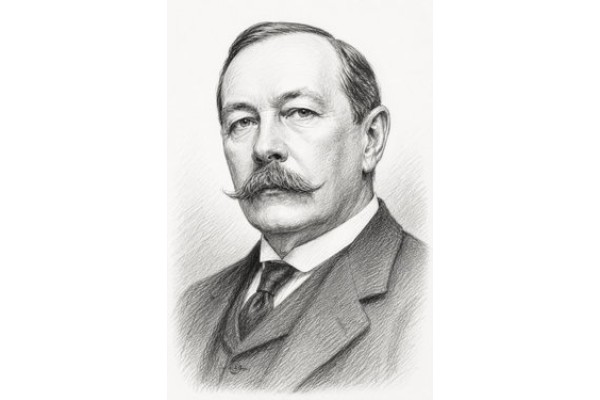
Arthur Conan Doyle occupies a unique place in literary history as the creator of Sherlock Holmes, a character whose influence extends far beyond the pages of classic fiction. Born in Edinburgh, Scotland, in 1859, Doyle trained as a physician before discovering that storytelling was his true calling. Explore Arthur Conan Doyle books to discover the author's life, literary career, and access notable works, including The Adventures of Sherlock Holmes, The Memoirs of Sherlock Holmes, The Return of Sherlock Holmes, The Hound of the Baskervilles , and more.