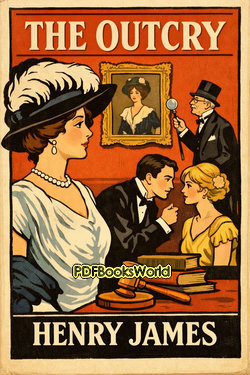
The Outcry
by Henry James
Art, Wealth, and National Identity Collide in Henry James’s Final Novel
The Outcry by Henry James is a thoughtful social novel that explores art ownership, cultural responsibility, wealth, and the growing influence of money on society. Written late in James’s career, the novel examines whether priceless works of art should remain part of a nation’s cultural heritage or be sold to wealthy foreign collectors.
Blending social commentary with emotional and romantic tension, James creates a story where questions about beauty and morality become deeply connected to personal relationships and financial pressure.
The result is an intelligent and reflective novel about culture, value, and the changing modern world.
A Valuable Painting Creates Public Controversy
The story centers on a rare and valuable painting owned by an English aristocratic family facing financial difficulty. Lord Theign plans to sell the artwork to a wealthy American collector, believing the sale will help solve important financial problems.
However, the decision creates public criticism and emotional conflict. Some characters believe the painting should remain in England as part of the nation’s artistic and cultural heritage.
As debates about money, patriotism, and art continue, romantic relationships and social tensions become increasingly complicated.
Important Characters in the Novel
- Lord Theign
An aristocrat struggling between financial necessity and cultural responsibility. - Lady Sandgate
A socially influential woman involved in the emotional and political tensions surrounding the painting. - Breckenridge Bender
A wealthy American collector eager to purchase the valuable artwork. - Grace Theign
A thoughtful young woman affected by both the social and emotional conflicts within the story.
The interactions between these characters connect public controversy with private emotional struggles.
A Reflective and Socially Observant Writing Style
Henry James uses elegant dialogue and careful social observation throughout The Outcry. Much of the drama develops through discussion, negotiation, and emotional tension rather than dramatic action.
James carefully portrays the relationship between money, social status, and cultural value. Conversations about art gradually reveal deeper concerns involving morality, identity, and personal ambition.
The subtle prose gives the novel intellectual depth while maintaining emotional realism.
Main Themes Explored Throughout the Story
- Art and Cultural Responsibility
The novel questions whether important works of art belong to individuals or to society as a whole. - Wealth and Social Change
James examines how financial power influences culture, status, and personal decisions. - National Identity and Pride
The story reflects concerns about preserving cultural heritage and tradition. - Love and Personal Duty
Romantic relationships become shaped by social pressure and moral uncertainty.
These themes make the novel both socially relevant and emotionally engaging.
An Interesting Late Work by Henry James
The Outcry is especially notable because it reflects Henry James’s later concerns about modern society, cultural preservation, and the growing power of wealth in international life.
The novel also demonstrates James’s continuing interest in social behavior and emotional complexity. Even public debates about art become connected to hidden feelings, personal ambition, and moral conflict.
Its combination of cultural criticism and psychological observation gives the story lasting literary interest.
Why the Novel Still Feels Relevant Today
Even today, The Outcry continues to resonate because its themes remain highly modern. Debates about art ownership, cultural preservation, private wealth, and national heritage continue around the world.
The novel also feels contemporary in its exploration of how money influences culture and public values. James examines these issues with subtlety, intelligence, and emotional realism.
For readers interested in literary classics, cultural debate, and socially observant fiction, this novel remains thoughtful, elegant, and surprisingly timely.
Similar Genres
About the Author
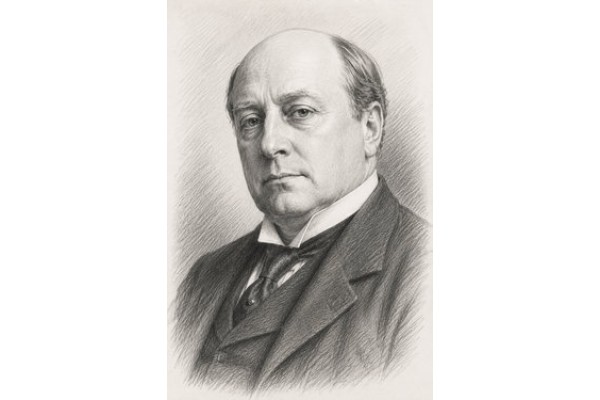
Henry James was one of the most influential novelists of the late nineteenth and early twentieth centuries, renowned for bringing exceptional psychological depth to fiction. Born in New York in 1843, he later settled in Europe, where his experiences shaped a distinctive literary voice that blended American perspectives with European culture. Explore Henry James books to discover the author's life, literary career, and access notable works, including Daisy Miller - A Study, The Turn of the Screw, The Point of View, The Pension Beaurepas , and more.