The Night Has a Thousand Eyes
by Dorothy De Courcy
Murder, Fear, and Psychological Suspense in a World of Hidden Danger
The Night Has a Thousand Eyes by Dorothy De Courcy is a suspenseful work blending psychological tension, mystery, fear, and eerie atmosphere within the traditions of early pulp fiction and speculative thriller storytelling. The story explores paranoia, hidden threats, and the unsettling idea that unseen forces may be constantly watching, influencing, or pursuing human lives beneath the surface of ordinary reality.
De Courcy presents night itself as a symbol of uncertainty and hidden terror, transforming darkness into a psychological landscape filled with suspicion, danger, and emotional instability.
An Atmosphere of Fear and Uncertainty
The narrative unfolds through mysterious events, disturbing discoveries, and growing psychological tension as characters become trapped within circumstances they struggle to understand fully. Fear intensifies as hidden motives, strange behavior, and possible unseen watchers create an atmosphere where trust becomes increasingly difficult.
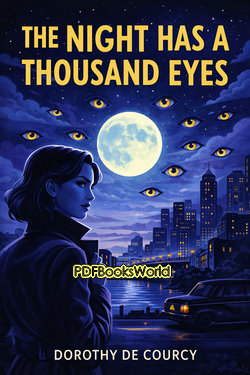
The title’s suggestion that “the night has a thousand eyes” reflects the constant feeling of surveillance, vulnerability, and invisible menace surrounding the characters.
Rather than relying solely upon physical danger, the work builds suspense through emotional pressure, anxiety, secrecy, and uncertainty concerning what may be real or imagined.
The volume reflects early twentieth-century fascination with psychological horror, crime fiction, and mysterious unseen threats operating beyond ordinary human awareness.
Its tone combines dread, suspense, and dark atmospheric tension.
The Psychological Weight of Fear
A major theme throughout the story is the destructive effect fear and suspicion can exert upon the human mind.
De Courcy repeatedly explores how uncertainty and hidden danger distort perception, weaken emotional stability, and intensify feelings of helplessness.
The work also reflects broader literary interest in the subconscious mind and the fear of forces operating invisibly beyond normal understanding.
This psychological dimension gives the narrative much of its eerie emotional power.
Mystery and Suspense Themes Explored Throughout the Story
- Psychological Fear and Anxiety: Characters struggle with paranoia, uncertainty, and emotional tension.
- Hidden Threats and Surveillance: The feeling of being watched creates constant unease.
- Mystery and Suspense: Secrets, danger, and incomplete understanding drive the narrative.
- The Darkness of Human Perception: Fear alters judgment and blurs the boundary between reality and imagination.
- Atmospheric Horror and Tension: Night becomes a symbol of danger, secrecy, and emotional vulnerability.
The story reflects many classic elements associated with pulp suspense and psychological thriller fiction.
The Fear of the Unseen
One of the work’s strongest ideas is that unseen dangers often produce greater terror than visible threats because imagination magnifies uncertainty and fear.
De Courcy repeatedly demonstrates how secrecy, silence, and incomplete knowledge create emotional instability and psychological dread.
The story also reveals enduring literary fascination with hidden observers, concealed motives, and the terrifying possibility that human beings may never fully understand the dangers surrounding them.
This atmosphere of uncertainty gives the narrative lasting suspenseful appeal.
Dorothy De Courcy’s Suspenseful Atmospheric Style
The Night Has a Thousand Eyes demonstrates Dorothy De Courcy’s ability to combine psychological tension, eerie imagery, and slow-building suspense into compelling mystery fiction.
The writing remains dark, vivid, and strongly focused upon emotional pressure and the unsettling power of fear.
De Courcy consistently presents human perception itself as uncertain and vulnerable within threatening environments.
Why the Story Still Holds Mystery and Horror Interest
Modern readers continue finding The Night Has a Thousand Eyes intriguing because it captures the mood-driven suspense and psychological unease characteristic of classic pulp-era thrillers.
The story also provides insight into early twentieth-century literary fascination with fear, hidden observation, psychological instability, and atmospheric mystery before modern psychological horror became fully established.
Its themes of paranoia, secrecy, emotional vulnerability, and unseen danger continue appealing to readers who enjoy suspenseful speculative fiction and eerie mystery stories.
For readers interested in psychological suspense, pulp fiction, mystery thrillers, atmospheric horror, speculative suspense, and classic eerie literature, this work remains tense, unsettling, and imaginatively haunting.
Similar Genres
About the Author
Dorothy De Courcy was an early twentieth-century novelist whose mystery and psychological suspense stories combined engaging characters, intriguing plots, and atmospheric settings. Although relatively little is known about her personal life, her fiction earned appreciation among readers of classic detective and suspense literature for its imaginative storytelling and carefully crafted mysteries. Explore Dorothy De Courcy books to discover the author's life, literary career, and access notable works, including Goma's Follicles , and more.