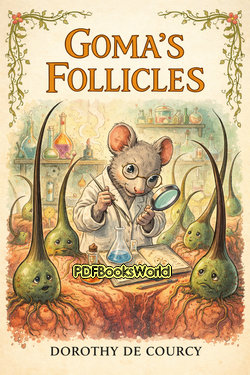
Goma's Follicles
by Dorothy De Courcy
Medical Experimentation, Psychological Horror, and the Dangers of Uncontrolled Science
Goma's Follicles by Dorothy De Courcy is a dark science fiction story blending biological experimentation, psychological tension, and speculative horror. Written during the era of classic pulp fiction, the tale explores the frightening consequences of scientific ambition pursued without ethical restraint while examining humanity’s fear of bodily transformation and hidden biological forces.
De Courcy presents science not merely as a tool for discovery and progress, but as a dangerous power capable of producing terrifying and unnatural results when human curiosity overrides caution and morality.
A Disturbing Biological Mystery
The story centers upon strange scientific experiments connected to unusual biological growths and mysterious follicles associated with the figure of Goma. As the narrative unfolds, characters encounter increasingly unsettling evidence that scientific manipulation of living organisms may have created something horrifying and uncontrollable.
The atmosphere grows tense as physical abnormalities, hidden laboratory activities, and disturbing discoveries reveal the dangers lurking behind experimental research.
Rather than portraying scientific advancement as entirely beneficial, the work emphasizes the unpredictable and often destructive consequences of interfering recklessly with natural biological processes.
The volume reflects early twentieth-century fascination with medical experimentation, mutation, and the fear that modern science might cross dangerous moral boundaries.
Its tone combines suspense, horror, and speculative imagination.
The Fear of Biological Transformation
A major theme throughout the story is anxiety concerning changes to the human body and the loss of natural physical identity.
De Courcy repeatedly explores the horror created when scientific experimentation alters living tissue in ways beyond ordinary human understanding or control.
The work also reflects broader cultural fears surrounding disease, mutation, invasive medical procedures, and the darker possibilities of biological research.
This connection between science and bodily horror gives the narrative much of its emotional intensity.
Science Fiction and Horror Themes Explored Throughout the Story
- Biological Experimentation: Scientific research creates dangerous and unnatural consequences.
- Mutation and Physical Transformation: The body becomes a source of fear and uncertainty.
- Psychological Suspense and Horror: Fear grows through mystery, secrecy, and disturbing discovery.
- The Ethics of Scientific Research: The story questions the limits of experimentation and scientific ambition.
- The Unknown Forces Within Nature: Biological processes appear unpredictable and potentially monstrous.
The story reflects many classic themes associated with pulp-era horror science fiction.
The Consequences of Unrestrained Scientific Curiosity
One of the work’s strongest ideas is that scientific power without ethical responsibility may produce catastrophic and terrifying outcomes.
De Courcy repeatedly demonstrates how obsession with experimentation can blind individuals to danger, morality, and human suffering.
The story also reveals enduring fears that science may uncover forces humanity is not prepared to control safely.
This tension between curiosity and horror gives the narrative lasting speculative appeal.
Dorothy De Courcy’s Atmospheric Pulp Style
Goma's Follicles demonstrates Dorothy De Courcy’s ability to combine unsettling imagery, biological mystery, and suspenseful pacing into effective science fiction horror.
The writing remains vivid, eerie, and strongly focused upon creating unease through hidden experiments, bodily abnormality, and growing psychological dread.
De Courcy consistently presents scientific discovery as something capable of inspiring both fascination and terror.
Why the Story Still Holds Science Fiction and Horror Interest
Modern readers continue finding Goma's Follicles intriguing because it captures the imaginative fears and speculative excitement of early science fiction horror literature.
The story also provides insight into cultural anxieties surrounding biology, medicine, mutation, and scientific experimentation during the early twentieth century.
Its themes of bodily transformation, dangerous research, and scientific overreach continue appealing to readers who enjoy classic speculative horror and pulp fiction suspense.
For readers interested in science fiction horror, biological experimentation stories, pulp fiction, psychological suspense, speculative medicine, and classic weird fiction, this work remains eerie, imaginative, and unsettlingly memorable.
Similar Genres
About the Author
Dorothy De Courcy was an early twentieth-century novelist whose mystery and psychological suspense stories combined engaging characters, intriguing plots, and atmospheric settings. Although relatively little is known about her personal life, her fiction earned appreciation among readers of classic detective and suspense literature for its imaginative storytelling and carefully crafted mysteries. Explore Dorothy De Courcy books to discover the author's life, literary career, and access notable works, including The Night Has a Thousand Eyes , and more.