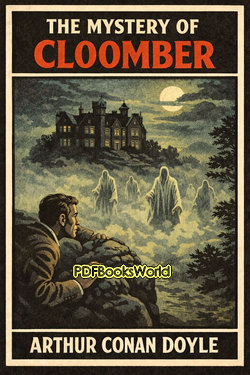
The Mystery of Cloomber
by Arthur Conan Doyle
Inside the Dark and Fascinating Mind of a Master Detective in The Mystery of Cloomber
Long before creating the world-famous detective Sherlock Holmes, Arthur Conan Doyle was already experimenting with mystery, suspense, and the supernatural. One of the most unusual examples of his early storytelling is The Mystery of Cloomber, a novel that combines eerie horror, psychological tension, and detective-style investigation.
Unlike a traditional crime novel, this story slowly builds an atmosphere of fear and uncertainty around a mysterious man haunted by secrets from his past. The result is a suspenseful tale filled with strange behavior, hidden danger, and supernatural mystery.
For readers who enjoy Gothic fiction and Victorian suspense, the novel offers a fascinating glimpse into Doyle’s early imagination.
A Quiet Village Disturbed by Fear
The story is narrated by John Fothergill West, a young man living in a peaceful Scottish village. Life changes dramatically when a retired military officer named General Heatherstone suddenly moves into the nearby estate known as Cloomber Hall.
At first, the general appears ordinary, but strange details quickly begin to emerge:
- He behaves with constant nervousness
- He fears unseen enemies
- He isolates himself from society
- He reacts with terror to mysterious warnings
As curiosity grows, the villagers begin to suspect that something terrible is connected to the general’s past.
A Mystery Linked to India
One of the novel’s most intriguing elements is its connection to British colonial India. General Heatherstone once served in India, and events from that period continue to haunt him long after his return to Scotland.
The story gradually introduces:
- Mysterious strangers
- Ancient spiritual beliefs
- Prophecies and warnings
- Secrets hidden for many years
This combination of imperial history and supernatural suspense gives the novel a distinctive atmosphere.
Blending Mystery With the Supernatural
Unlike later Sherlock Holmes stories built mainly on logic and deduction, The Mystery of Cloomber explores fear of the unknown and supernatural possibilities.
The novel mixes several genres together, including:
- Gothic horror
- Mystery fiction
- Psychological suspense
- Adventure storytelling
This blend creates tension throughout the novel as readers try to determine whether the strange events have rational explanations or truly supernatural origins.
Main Themes in the Novel
Guilt and Fear
General Heatherstone’s behavior suggests a man deeply troubled by past actions. Much of the story revolves around the emotional burden of guilt and the fear of consequences.
The Unknown and the Supernatural
The novel explores human fear of mysterious forces beyond ordinary understanding. Doyle creates suspense by keeping many details hidden until late in the story.
Isolation
Several characters become emotionally or physically isolated because of fear, secrecy, or obsession.
Colonial Anxiety
The story reflects Victorian-era fascination with distant lands and unfamiliar spiritual traditions, especially those connected to British India.
Arthur Conan Doyle’s Early Writing Style
Readers familiar with Sherlock Holmes may notice similarities in Doyle’s attention to observation and mystery. However, this novel places greater emphasis on atmosphere and emotional suspense.
Doyle’s writing style includes:
- Slow-building tension
- Detailed descriptions
- Mysterious dialogue
- Suspenseful pacing
- Gothic imagery
The story unfolds gradually, allowing the mystery to deepen chapter by chapter.
Why Readers Still Enjoy the Novel
Although not as famous as Doyle’s detective fiction, The Mystery of Cloomber continues to attract readers who appreciate classic suspense and supernatural mystery.
The novel remains appealing because it offers:
- An eerie Gothic atmosphere
- Psychological tension
- Supernatural mystery
- Victorian-era storytelling
- A unique side of Arthur Conan Doyle’s writing
Fans of classic horror and mystery literature often enjoy discovering this lesser-known work.
A Different Side of Arthur Conan Doyle
Most readers associate Arthur Conan Doyle with logical detective fiction, but this novel reveals his strong interest in spiritualism and supernatural ideas.
Throughout his life, Doyle showed curiosity about:
- Paranormal experiences
- Spiritual beliefs
- Life after death
- Psychic phenomena
These interests influenced several of his early and later works.
Who Should Read The Mystery of Cloomber?
This novel may especially appeal to readers who enjoy:
- Victorian Gothic fiction
- Classic supernatural mysteries
- Arthur Conan Doyle’s lesser-known works
- Slow-building suspense
- Historical horror stories
It is a strong choice for readers looking for mystery fiction with a darker and more supernatural tone.
Final Thoughts
The Mystery of Cloomber by Arthur Conan Doyle combines mystery, horror, and supernatural suspense into a compelling Victorian-era thriller. Through the haunted figure of General Heatherstone and the strange secrets surrounding Cloomber Hall, Doyle creates an atmosphere of tension and uncertainty that keeps readers engaged until the final pages.
For fans of Gothic storytelling and classic mystery fiction, this unusual novel offers an intriguing and atmospheric reading experience that reveals another side of one of literature’s greatest storytellers.
Similar Genres
About the Author

Arthur Conan Doyle occupies a unique place in literary history as the creator of Sherlock Holmes, a character whose influence extends far beyond the pages of classic fiction. Born in Edinburgh, Scotland, in 1859, Doyle trained as a physician before discovering that storytelling was his true calling. Explore Arthur Conan Doyle books to discover the author's life, literary career, and access notable works, including The Adventures of Sherlock Holmes, The Memoirs of Sherlock Holmes, The Return of Sherlock Holmes, The Hound of the Baskervilles , and more.