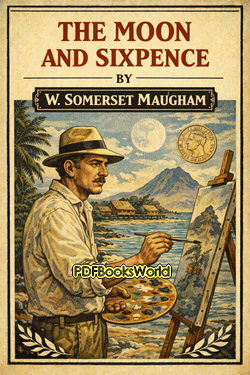
The Moon and Sixpence
by W. Somerset Maugham
Art, Obsession, and Personal Freedom in The Moon and Sixpence
What happens when a person abandons comfort, family, and social expectations in pursuit of artistic passion? That question lies at the center of The Moon and Sixpence by W. Somerset Maugham, a novel that explores creativity, sacrifice, ambition, and the complicated nature of human desire.
Published in 1919, the novel follows the shocking transformation of Charles Strickland, an ordinary London businessman who suddenly leaves his stable life behind to pursue painting. His decision confuses and angers the people around him, yet it also reveals the powerful force of artistic obsession.
Maugham creates a story that is both emotionally unsettling and intellectually fascinating, challenging readers to think about success, happiness, and personal freedom.
The Journey of Charles Strickland
At the beginning of the novel, Charles Strickland appears to live a respectable and comfortable middle-class life in London. Without warning, however, he abandons his career, wife, and children in order to devote himself entirely to art.
His choice shocks society because he shows little concern for wealth, reputation, or emotional responsibility.
The novel follows his journey through:
Artistic ambition, poverty, emotional conflict, personal isolation, travel, obsession, and creative transformation.
As Strickland moves from Europe to the South Pacific, his life becomes increasingly detached from ordinary social values.
Main Characters in The Moon and Sixpence
- Charles Strickland – A fiercely independent and emotionally distant man driven by an overwhelming desire to create art.
- The Narrator – An observant writer who follows Strickland’s unusual life and attempts to understand his personality.
- Blanche Stroeve – A sensitive woman whose emotional involvement with Strickland leads to tragedy.
- Dirk Stroeve – A kind but unsuccessful painter who admires Strickland’s artistic talent.
- Ata – A compassionate woman in Tahiti who becomes part of Strickland’s later life.
Major Themes in the Novel
- Artistic Obsession – Strickland sacrifices nearly everything in pursuit of artistic expression.
- Freedom Versus Responsibility – The novel questions whether personal freedom justifies emotional harm to others.
- The Nature of Genius – Maugham explores the idea that artistic brilliance may exist alongside cruelty or selfishness.
- Society and Conformity – Strickland rejects social expectations and traditional definitions of success.
- Isolation and Desire – The story examines how ambition can separate individuals from ordinary human relationships.
The Meaning Behind the Title
The title The Moon and Sixpence symbolizes the conflict between idealistic dreams and ordinary everyday life. The “moon” represents artistic vision and higher ambition, while the “sixpence” represents practical concerns and material comfort.
Maugham uses this contrast to explore whether extraordinary creativity requires rejecting conventional values.
The title reflects themes involving:
Dreams, sacrifice, artistic ambition, social expectations, and the pursuit of meaning beyond material success.
W. Somerset Maugham’s Writing Style
Maugham writes with clarity, intelligence, and psychological insight. His narration remains calm and observational even while describing emotionally disturbing events.
Rather than presenting simple moral judgments, he allows readers to form their own opinions about Strickland’s actions and motivations.
The novel combines realistic dialogue, philosophical reflection, and emotional tension in a highly readable style.
The Influence of Paul Gauguin
The character of Charles Strickland was partly inspired by the real-life French painter Paul Gauguin, who also abandoned conventional society and traveled to Tahiti in search of artistic freedom.
Although the novel is fictional, it reflects broader questions about the relationship between creativity and personal sacrifice.
This connection adds additional depth to the novel’s exploration of artistic identity.
Why Modern Readers Still Connect With the Novel
Modern audiences continue to find the novel compelling because it explores difficult questions that remain relevant today. Many readers still debate whether talent and ambition justify selfish behavior.
The novel remains powerful because it:
Examines artistic passion honestly, explores emotional complexity, challenges social values, and presents unforgettable psychological conflict.
The ambiguity surrounding Strickland’s character continues to provoke discussion and interpretation.
Final Thoughts
The Moon and Sixpence by W. Somerset Maugham remains a remarkable exploration of art, ambition, and the price of personal freedom. Through the unforgettable figure of Charles Strickland, Maugham examines how creative obsession can both inspire greatness and destroy human relationships.
For readers interested in psychological fiction, artistic themes, and morally complex characters, the novel continues to offer a fascinating and thought-provoking literary experience.
Similar Genres
About the Author
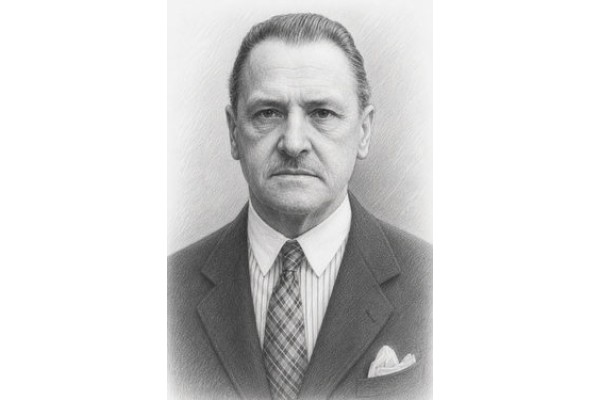
W. Somerset Maugham, born William Somerset Maugham in 1874, was one of the most accomplished English novelists, playwrights, and short story writers of the twentieth century. Renowned for his elegant prose, keen psychological insight, and masterful storytelling, Maugham created works that explored the complexities of human relationships, ambition, morality, and the search for meaning. Explore W. Somerset Maugham books to discover the author's life, literary career, and access notable works, including Of Human Bondage, The Painted Veil , and more.