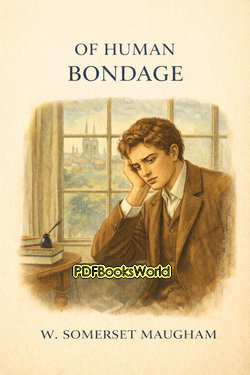
Of Human Bondage
by W. Somerset Maugham
The Emotional Journey of Ambition, Love, and Self-Discovery in Of Human Bondage
Of Human Bondage by W. Somerset Maugham is one of the most celebrated novels of the twentieth century. First published in 1915, the book follows the life of Philip Carey, a young man searching for meaning, independence, and personal happiness while facing emotional struggles, rejection, and uncertainty.
The novel is widely admired for its realism and psychological depth. Through Philip’s experiences, Maugham explores ambition, loneliness, love, personal freedom, and the difficult process of understanding oneself.
Its honest portrayal of human emotions continues to make the novel meaningful for modern readers.
Overview of the Story
The story begins with Philip Carey’s difficult childhood after losing his parents at a young age. Raised by strict relatives, Philip grows up feeling isolated and insecure, especially because of a physical disability affecting his foot.
As he becomes older, Philip studies in different countries and experiments with various career paths while trying to discover his purpose in life.
The novel follows his experiences with:
Love, heartbreak, education, artistic ambition, financial struggle, friendship, emotional dependency, and personal growth.
Philip’s journey becomes both emotional and philosophical as he slowly develops a deeper understanding of life and himself.
Main Characters in Of Human Bondage
- Philip Carey – The sensitive and intelligent protagonist searching for meaning, love, and independence.
- Mildred Rogers – A waitress whose complicated relationship with Philip becomes one of the novel’s central emotional conflicts.
- William Carey – Philip’s strict and religious uncle who helps shape his difficult childhood.
- Sally Athelny – A kind and supportive woman who represents emotional stability and genuine affection.
- The Athelny Family – Warm and lively characters who offer Philip friendship and a different view of life.
Major Themes in the Novel
- Self-Discovery – Philip’s life becomes a search for personal identity and meaning.
- Love and Emotional Dependence – The novel explores unhealthy relationships and the pain caused by emotional obsession.
- Freedom and Choice – Philip struggles to balance personal desires with social expectations.
- Suffering and Growth – Difficult experiences help shape Philip’s understanding of life and maturity.
- The Search for Happiness – The story examines whether true happiness comes from success, love, or inner peace.
Maugham’s Realistic Writing Style
W. Somerset Maugham became famous for his realistic storytelling and psychological insight. In Of Human Bondage, he presents characters with emotional honesty rather than idealized perfection.
The novel focuses closely on Philip’s thoughts, fears, and personal struggles, allowing readers to understand his emotional development in great detail.
Maugham’s writing style is clear and direct, making the complex emotional themes easier to connect with and understand.
The Novel’s Psychological Depth
One reason the novel remains influential is its deep exploration of human emotions and relationships. Philip’s experiences reflect insecurities and emotional conflicts that many readers recognize in their own lives.
The story examines:
Loneliness, insecurity, ambition, disappointment, emotional attachment, and the struggle for personal independence.
This emotional realism gives the novel lasting power and makes its characters feel believable and human.
Why Modern Readers Still Connect With the Book
Although the novel was written more than a century ago, its themes remain highly relevant today. Readers still relate to Philip’s uncertainty about career choices, relationships, identity, and happiness.
Modern audiences often appreciate the novel because it:
Explores realistic emotions, presents honest character development, examines personal growth, and portrays the challenges of finding meaning in life.
The emotional honesty of the story continues to attract readers from different generations.
Interesting Facts About the Novel
Many critics consider Of Human Bondage to be partly autobiographical because Maugham included experiences and emotions similar to his own life. The novel became one of his most famous works and has been adapted into several films and stage productions over the years.
Final Thoughts
Of Human Bondage by W. Somerset Maugham remains a powerful and deeply human novel about emotional struggle, personal freedom, and self-discovery. Through Philip Carey’s journey, Maugham explores the challenges of growing into adulthood and learning to understand life’s complexities.
For readers interested in psychological fiction, classic literature, and emotionally realistic storytelling, the novel continues to offer a thoughtful and unforgettable reading experience.
Similar Genres
About the Author
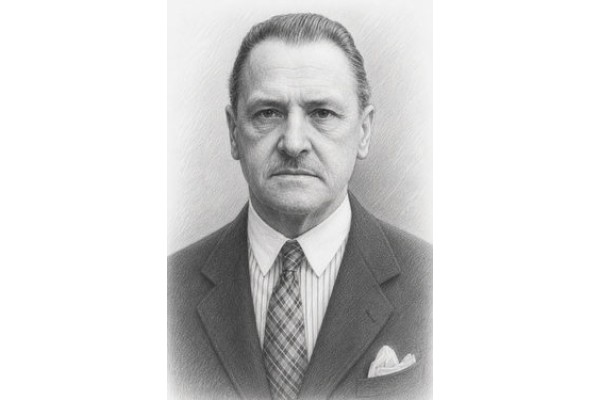
W. Somerset Maugham, born William Somerset Maugham in 1874, was one of the most accomplished English novelists, playwrights, and short story writers of the twentieth century. Renowned for his elegant prose, keen psychological insight, and masterful storytelling, Maugham created works that explored the complexities of human relationships, ambition, morality, and the search for meaning. Explore W. Somerset Maugham books to discover the author's life, literary career, and access notable works, including The Moon and Sixpence, The Painted Veil , and more.