
The Middle Years
by Henry James
A Powerful Reflection on Creativity, Aging, and the Fear of Lost Time
The Middle Years by Henry James is a deeply thoughtful novella that explores artistic ambition, illness, mortality, and the emotional desire for more time to fully realize one’s potential. Through the story of a celebrated writer facing physical decline, Henry James examines the painful awareness that life may end before true creative fulfillment is achieved.
Rather than focusing on dramatic action, the novella builds emotional intensity through conversation, reflection, and psychological insight. James carefully portrays the inner fears and regrets connected to aging and unfinished artistic dreams.
The result is an elegant and emotionally moving meditation on art, life, and human limitation.
A Writer Confronts Illness and Regret
The story centers on Dencombe, a respected novelist who travels to a quiet seaside location hoping to recover from serious illness. Although admired for his literary work, Dencombe privately feels that he has only recently begun to understand his true artistic abilities.
As his health worsens, he becomes haunted by the realization that he may not live long enough to create the work he truly wishes to produce. This fear grows even stronger after meeting a younger admirer who deeply appreciates his writing.
The emotional tension comes from Dencombe’s struggle between physical weakness and creative longing.
Important Characters in the Novella
Characters
- Dencombe
An aging novelist reflecting on artistic achievement, regret, and the limited time remaining in life. - Dr. Hugh
A devoted admirer whose understanding of Dencombe’s work creates emotional connection and reflection. - Supporting Guests and Observers
Secondary figures who contribute quietly to the novella’s reflective atmosphere.
The emotional interaction between Dencombe and Dr. Hugh forms the heart of the story.
A Reflective and Psychological Writing Style
Henry James uses a calm and introspective style throughout The Middle Years. Much of the novella’s emotional power comes from thought, memory, and emotional realization rather than visible conflict.
James carefully explores Dencombe’s private anxieties about artistic success and wasted opportunity. Conversations often carry hidden emotional meaning as characters reflect on creativity, admiration, and mortality.
The subtle prose creates a quiet but emotionally intense atmosphere.
Main Themes Explored Throughout the Story
Themes
- Artistic Ambition and Unfulfilled Potential
Dencombe fears that he discovered his true artistic voice too late in life. - Aging and Mortality
The novella explores emotional responses to illness, physical decline, and approaching death. - Time and Regret
James reflects on the painful awareness of opportunities that may never be completed. - Recognition and Human Connection
The relationship between artist and admirer becomes emotionally meaningful and comforting.
These themes give the novella emotional depth and philosophical richness.
One of Henry James’s Most Personal Literary Works
The Middle Years is often admired for its emotional honesty and psychological realism. Many readers and critics believe the novella reflects Henry James’s own thoughts about creativity, artistic growth, and the pressures of literary life.
The story demonstrates James’s extraordinary ability to portray emotional complexity through subtle reflection and carefully observed human interaction.
Its quiet sadness and intellectual depth continue to make it one of James’s most admired shorter works.
Why the Novella Still Resonates Today
Even today, The Middle Years continues to affect readers because its themes remain universal. Many people understand the fear of running out of time before achieving personal goals or realizing their full potential.
The novella also feels modern in its psychological insight and emotional subtlety. James explores aging, ambition, and creative anxiety with remarkable sensitivity and intelligence.
For readers interested in literary classics, reflective fiction, and thoughtful stories about art and mortality, this novella remains moving, elegant, and unforgettable.
Similar Genres
About the Author
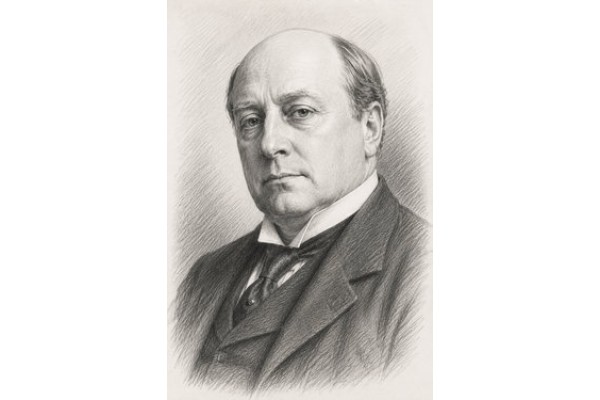
Henry James was one of the most influential novelists of the late nineteenth and early twentieth centuries, renowned for bringing exceptional psychological depth to fiction. Born in New York in 1843, he later settled in Europe, where his experiences shaped a distinctive literary voice that blended American perspectives with European culture. Explore Henry James books to discover the author's life, literary career, and access notable works, including Daisy Miller - A Study, The Turn of the Screw, The Point of View, The Pension Beaurepas , and more.