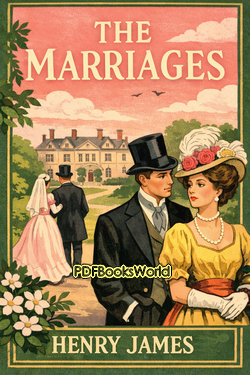
The Marriages
by Henry James
Love, Family Pressure, and Emotional Complexity in Henry James’s Subtle Story
The Marriages by Henry James is a thoughtful and psychologically rich short story that explores relationships, family influence, emotional loyalty, and the difficult choices connected to marriage. Through quiet conversations and careful observation, James examines how personal happiness can become complicated by social expectations and emotional obligation.
Rather than focusing on dramatic events, the story develops through emotional tension, shifting relationships, and the hidden motives shaping family life. James carefully reveals how affection and responsibility often pull people in different directions.
The result is an elegant and emotionally intelligent story about human relationships and personal sacrifice.
A Family Divided by Marriage and Expectation
The story centers on a family whose emotional balance becomes unsettled by questions of marriage and personal independence. Characters struggle with conflicting desires involving love, loyalty, social respectability, and emotional attachment.
Henry James carefully shows how even well-meaning family members can influence one another in controlling or emotionally complicated ways. Personal choices about marriage become connected to larger concerns about identity, freedom, and duty.
The emotional tension grows quietly as hidden feelings and unspoken expectations begin affecting relationships.
Important Characters in the Story
Characters
- The Central Family Members
Relatives whose emotional connections shape the story’s conflicts and decisions. - Young Women Facing Marriage Choices
Characters struggling between personal desire and social or family pressure. - Observers and Advisers
Figures who influence emotional decisions through conversation and opinion.
The interactions between these characters create the story’s subtle psychological drama.
A Quiet and Psychological Writing Style
Henry James uses his characteristic reflective style throughout The Marriages. Emotional tension develops through conversation, silence, observation, and small social interactions rather than dramatic action.
James carefully explores hidden motives and emotional uncertainty, allowing readers to recognize feelings the characters themselves may not fully understand. The subtle storytelling creates realism and emotional depth.
The elegant prose also gives ordinary family situations a sense of complexity and significance.
Main Themes Explored Throughout the Story
Themes
- Marriage and Personal Freedom
The story explores how relationships can shape or limit independence. - Family Influence and Emotional Pressure
Relatives quietly affect personal decisions and emotional choices. - Love and Social Expectation
Characters struggle between emotional desire and respectable behavior. - Hidden Feelings and Misunderstanding
Much of the emotional conflict develops through silence and unspoken emotion.
These themes help make the story emotionally subtle and psychologically engaging.
Henry James’s Skill for Emotional Realism
The Marriages demonstrates Henry James’s remarkable ability to create emotional drama from ordinary social situations. Small conversations and private thoughts carry deep emotional importance throughout the story.
James avoids simple moral judgments and instead presents characters with emotional complexity and human vulnerability. Readers are encouraged to interpret motives and feelings carefully.
The story reflects James’s continuing fascination with relationships, social behavior, and emotional uncertainty.
Why the Story Still Feels Relevant Today
Even today, The Marriages continues to resonate because its themes remain timeless. Readers still recognize the emotional pressure connected to family expectations, relationships, and personal choice.
The story also feels modern because of its psychological realism and subtle portrayal of emotional conflict. James explores human relationships with intelligence and sensitivity.
For readers interested in literary short fiction, emotional realism, and thoughtful stories about love and family life, this work remains elegant, insightful, and rewarding.
Similar Genres
About the Author
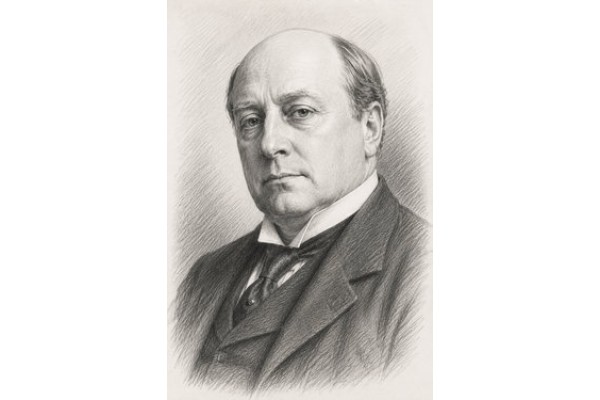
Henry James was one of the most influential novelists of the late nineteenth and early twentieth centuries, renowned for bringing exceptional psychological depth to fiction. Born in New York in 1843, he later settled in Europe, where his experiences shaped a distinctive literary voice that blended American perspectives with European culture. Explore Henry James books to discover the author's life, literary career, and access notable works, including Daisy Miller - A Study, The Turn of the Screw, The Point of View, The Pension Beaurepas , and more.