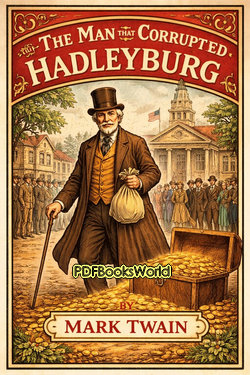
The Man That Corrupted Hadleyburg
by Mark Twain
A Perfect Town Slowly Destroys Itself Through Greed and Hypocrisy
The Man That Corrupted Hadleyburg by Mark Twain is a sharp and darkly humorous satire about honesty, pride, temptation, and the hidden weaknesses inside supposedly respectable communities. What begins as a simple act of revenge soon turns into a public collapse of morality and reputation.
Hadleyburg proudly considers itself the most honest town in the country. Its citizens constantly celebrate their own virtue and teach future generations to avoid temptation at all costs. However, Twain quickly suggests that this public image may be built more on pride and self-satisfaction than on true moral strength.
When a mysterious stranger targets the town with a carefully planned scheme, the residents discover how fragile their honesty truly is.
A Stranger Decides to Test the Town’s Reputation
After being treated badly during an earlier visit, a mysterious man returns to take revenge on Hadleyburg. Instead of using violence or open conflict, he creates a psychological trap designed to expose greed and hypocrisy.
He leaves behind a large sack of gold along with instructions claiming it belongs to a citizen who once performed an act of kindness for him. Soon, many respected townspeople secretly begin convincing themselves that they deserve the reward.
The situation gradually transforms public virtue into private temptation.
Greed and Self-Deception Spread Quickly
One of the story’s strongest qualities is the way Twain shows ordinary people slowly abandoning their principles once wealth becomes possible.
The narrative explores:
- The corrupting influence of greed
- The danger of excessive pride
- Public hypocrisy hidden beneath respectability
- The difference between reputation and genuine morality
- The ease with which people justify selfish behavior
These themes give the satire both humor and uncomfortable honesty.
Twain Uses Humor to Expose Human Weakness
Although the story becomes increasingly harsh, Twain delivers much of its criticism through wit and irony. The townspeople behave with growing absurdity as they attempt to protect their reputations while secretly pursuing the gold.
Comic Public Respectability
Citizens continue pretending to be morally superior even while acting dishonestly.
Private Panic and Greed
Fear of exposure causes respectable people to behave irrationally.
Sharp Irony
The town’s obsession with honesty ultimately helps destroy its reputation.
This satirical style makes the story entertaining while delivering serious criticism.
The Town Itself Becomes a Symbol
Hadleyburg represents more than one small community. Twain uses it symbolically to criticize societies that care more about appearances than true ethical behavior.
The town reflects:
- The danger of moral arrogance
- The weakness hidden beneath public virtue
- The pressure to maintain social reputation
- The corruption created by money and status
Through Hadleyburg, Twain questions whether any community can remain truly honest once temptation becomes powerful enough.
The Writing Feels Clever, Fast, and Increasingly Bitter
Twain’s prose moves quickly, combining lively dialogue with biting observation. As the scheme unfolds, the humor gradually becomes darker and more uncomfortable.
Public Meetings and Gossip
Much of the tension develops through conversations, suspicion, and social performance.
Escalating Moral Collapse
The townspeople slowly trap themselves through lies and greed.
Controlled Satirical Tone
Twain avoids emotional speeches and instead lets hypocrisy reveal itself naturally.
This restrained approach strengthens the story’s impact.
A Powerful Satire About Reputation and Human Nature
The Man That Corrupted Hadleyburg remains one of Mark Twain’s most effective satirical works because it exposes how easily pride and greed can corrupt individuals and communities. Beneath the humor lies a deeply skeptical view of public morality and self-righteousness.
Readers interested in satire, psychological manipulation, and social criticism may find the story especially compelling. Twain transforms a simple revenge plot into a sharp examination of honesty, temptation, and the uncomfortable weaknesses hidden beneath respectable appearances.
Similar Genres
About the Author
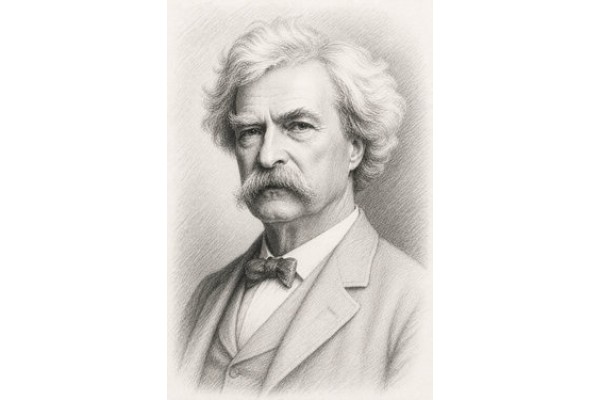
Mark Twain, the pen name of Samuel Langhorne Clemens, remains one of America's most beloved authors and humorists. Born in Missouri in 1835, he drew inspiration from his experiences along the Mississippi River, transforming everyday life into unforgettable stories filled with wit, adventure, and social insight. Explore Mark Twain books to discover the author's life, literary career, and access notable works, including Adventures of Huckleberry Finn, The Adventures of Tom Sawyer, Life on the Mississippi, Roughing It , and more.