
The Madonna of the Future
by Henry James
Dreams of Greatness and the Tragedy of Unfulfilled Artistic Ambition
The Madonna of the Future by Henry James is a thoughtful and emotionally layered short story about artistic obsession, perfectionism, and the painful gap between ambition and achievement. Set in Italy among artists and intellectuals, the story explores the dangers of endlessly pursuing an ideal that can never fully become reality.
Henry James combines psychological insight with reflections on creativity, beauty, and human weakness. Rather than focusing on dramatic action, the story develops through conversation, observation, and emotional realization.
The result is a subtle and moving literary work about artistic dreams and personal disappointment.
An Artist Consumed by the Perfect Vision
The story follows an unnamed narrator who meets Theobald, an aging American painter living in Florence. For many years, Theobald has devoted himself to creating a single masterpiece, a painting he calls “The Madonna of the Future.”
He speaks passionately about artistic perfection and claims that true greatness requires endless preparation and absolute dedication. However, despite years of effort and discussion, the painting remains unfinished.
As the narrator learns more about Theobald’s life and artistic struggles, the emotional sadness beneath his grand ambitions slowly becomes clear.
Important Characters in the Story
Characters
- Theobald
An artist obsessed with creating the perfect masterpiece but trapped by hesitation and perfectionism. - The Narrator
A thoughtful observer trying to understand Theobald’s artistic ideals and personal tragedy. - Serafina
A woman connected emotionally to Theobald’s life and artistic dreams.
The relationships between these characters reveal the emotional cost of unfulfilled ambition.
A Reflective and Artistic Writing Style
Henry James writes with elegance and psychological subtlety throughout The Madonna of the Future. Much of the story’s power comes from conversation, emotional observation, and gradual realization rather than external events.
James carefully portrays the atmosphere of artistic life in Florence while exploring the emotional dangers of idealism and creative obsession. The story’s quiet tone allows the emotional tragedy to emerge naturally.
The reflective prose creates both intellectual depth and emotional sensitivity.
Main Themes Explored Throughout the Story
Themes
- Artistic Perfectionism
The story examines how endless pursuit of perfection can prevent true creation. - Dreams Versus Reality
Theobald’s grand artistic vision conflicts with the realities of time and human limitation. - Failure and Self-Deception
James explores how ambition can become emotionally destructive when disconnected from action. - Beauty and Artistic Idealism
The story reflects on humanity’s desire to create lasting artistic greatness.
These themes give the story emotional richness and lasting literary significance.
One of Henry James’s Most Thoughtful Artistic Stories
The Madonna of the Future is admired for its subtle exploration of creativity and personal disappointment. Henry James presents Theobald with both sympathy and quiet irony, allowing readers to understand his passion while recognizing his tragic limitations.
The story also reflects James’s lifelong interest in art, culture, and the psychology of ambition. The emotional tension comes not from dramatic conflict, but from the gradual recognition of wasted potential and lost time.
The atmosphere of Florence adds beauty and melancholy to the narrative.
Why the Story Still Resonates Today
Even today, The Madonna of the Future continues to feel relevant because many readers understand the fear of failure, creative pressure, and the desire to achieve something meaningful.
The story also feels modern in its psychological realism and nuanced portrayal of perfectionism. James explores artistic anxiety and emotional vulnerability with remarkable intelligence.
For readers interested in literary classics, artistic fiction, and reflective stories about ambition and creativity, this work remains elegant, moving, and unforgettable.
Similar Genres
About the Author
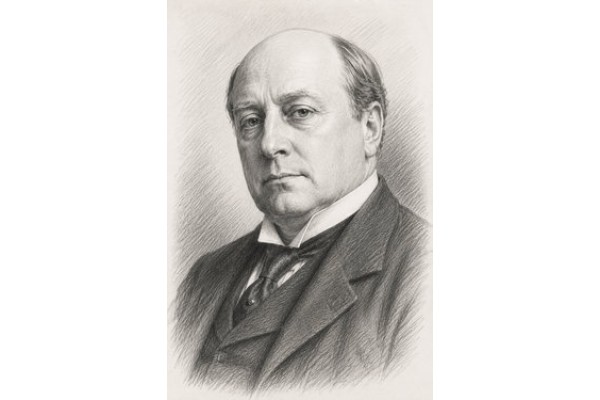
Henry James was one of the most influential novelists of the late nineteenth and early twentieth centuries, renowned for bringing exceptional psychological depth to fiction. Born in New York in 1843, he later settled in Europe, where his experiences shaped a distinctive literary voice that blended American perspectives with European culture. Explore Henry James books to discover the author's life, literary career, and access notable works, including Daisy Miller - A Study, The Turn of the Screw, The Point of View, The Pension Beaurepas , and more.