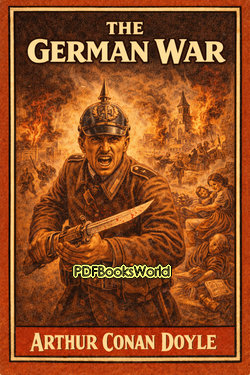
The German War
by Arthur Conan Doyle
A Strong Wartime Account From the Creator of Sherlock Holmes
The German War by Arthur Conan Doyle is a historical and political work that examines the causes, events, and consequences of the First World War from the British perspective. Unlike Doyle’s fictional mysteries and adventures, this book focuses on real global conflict and the emotional impact of war on nations and ordinary people.
Written during the years surrounding World War I, the book reflects Doyle’s strong opinions about the conflict and his belief that Britain’s involvement was necessary. He explains military events, political tensions, and the atmosphere of fear and patriotism that shaped the period.
The result is both a historical account and a passionate defense of Britain’s wartime actions.
The Historical Background of the Conflict
The book explores the growing tensions in Europe that eventually led to World War I. Doyle discusses political alliances, military preparations, and international rivalries that increased instability across the continent.
He pays particular attention to Germany’s military ambitions and the concerns many European nations had about expanding conflict. Doyle also explains how the assassination of Archduke Franz Ferdinand triggered a chain of events that pushed Europe into war.
Throughout the book, he attempts to help readers understand why the war became so widespread and destructive.
Important Figures and Groups Mentioned
Key People and Nations
- Arthur Conan Doyle
The author who presents his personal views and historical analysis of the war. - The British Government and Military
Doyle frequently discusses Britain’s political leaders, soldiers, and wartime decisions. - Germany and Its Leadership
The book closely examines Germany’s role in the conflict and its military strategies. - European Nations and Allies
Several countries involved in the war appear throughout the discussion of alliances and battles.
These figures and groups help shape Doyle’s explanation of the political and military situation.
A Blend of History and Personal Opinion
One of the most noticeable features of The German War is its passionate tone. Doyle does not write as a completely neutral observer. Instead, he openly shares his beliefs about the causes of the conflict and the responsibilities of different nations.
At the same time, he includes historical details, military developments, and political explanations that help readers follow the larger events of the war. His writing style remains direct and clear, making complicated international issues easier to understand.
The book also reflects the emotions and anxieties many people experienced during wartime.
Major Themes Explored in the Book
Themes
- War and National Duty
Doyle argues strongly about patriotism and the responsibilities nations face during conflict. - Political Power and Rivalry
The book examines how competition between nations contributed to global instability. - Propaganda and Public Opinion
Doyle discusses how information and public belief influenced support for the war. - The Human Cost of Conflict
Behind the political arguments, the book also reflects the suffering caused by war.
These themes help readers understand both the historical events and the emotional atmosphere of the period.
A Serious and Political Side of Arthur Conan Doyle
Readers who know Doyle mainly through Sherlock Holmes may be surprised by the serious political focus of The German War. Instead of solving fictional crimes, Doyle examines real international conflict and global politics.
However, his investigative style still appears throughout the book. He organizes information carefully, explains events step by step, and presents arguments designed to persuade readers.
The work also demonstrates how deeply Doyle cared about public affairs and national issues beyond literature.
Why the Book Still Holds Historical Interest
Today, The German War remains valuable as a historical document because it captures how many British citizens viewed World War I during that era. The book provides insight into wartime attitudes, fears, and political arguments from the early twentieth century.
Modern readers may not agree with every opinion expressed in the text, but the work remains important for understanding the mindset of the period and the public response to global conflict.
For readers interested in World War I history, political writing, or Arthur Conan Doyle’s nonfiction works, this book continues to offer an informative and thought-provoking perspective.
Similar Genres
About the Author
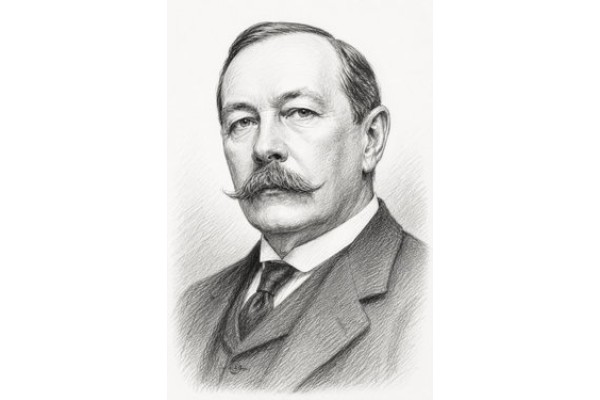
Arthur Conan Doyle occupies a unique place in literary history as the creator of Sherlock Holmes, a character whose influence extends far beyond the pages of classic fiction. Born in Edinburgh, Scotland, in 1859, Doyle trained as a physician before discovering that storytelling was his true calling. Explore Arthur Conan Doyle books to discover the author's life, literary career, and access notable works, including The Adventures of Sherlock Holmes, The Memoirs of Sherlock Holmes, The Return of Sherlock Holmes, The Hound of the Baskervilles , and more.