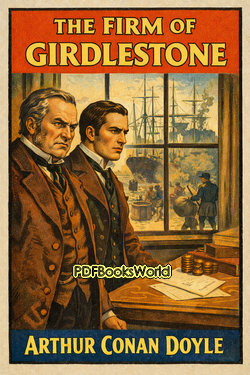
The Firm of Girdlestone
by Arthur Conan Doyle
A Dark Victorian Tale of Greed, Crime, and Ruthless Ambition
The Firm of Girdlestone by Arthur Conan Doyle is a dramatic Victorian novel that explores business corruption, family conflict, and moral decline. Written early in Doyle’s career, the story reveals a darker and more serious side of his writing compared to the adventures of Sherlock Holmes.
The novel follows the powerful trading company run by John Girdlestone and his son Ezra, whose obsession with wealth and control slowly leads them toward deception and criminal behavior. Doyle combines suspense, emotional conflict, and social commentary to create a tense and memorable story.
Set in nineteenth-century England, the novel also provides readers with a vivid picture of business life and social pressures during the Victorian era.
The Rise and Trouble of the Girdlestone Company
The Firm of Girdlestone is a respected business dealing in trade and international commerce. Behind its successful public image, however, lies financial pressure and growing desperation.
John Girdlestone and his ambitious son Ezra become increasingly willing to manipulate and harm others in order to protect their fortune. Their decisions create dangerous consequences that slowly pull the story toward tragedy.
Doyle carefully builds tension by showing how greed and fear can influence human behavior and destroy moral judgment.
Important Characters in the Novel
Characters
- John Girdlestone
The cold and calculating head of the business firm whose desire for wealth drives much of the conflict. - Ezra Girdlestone
John’s ambitious son, whose selfishness and dishonesty make him one of the novel’s darkest characters. - Kate Harston
A young woman connected to the Girdlestones whose kindness and vulnerability place her in danger. - Tom Dimsdale
A loyal and honorable young man who becomes involved in the struggle against the Girdlestones.
The contrast between selfish and honorable characters helps strengthen the novel’s emotional and moral conflicts.
A Story Filled With Suspense and Social Criticism
Although the novel contains elements of mystery and crime, it also serves as a criticism of greed and dishonest business practices. Doyle shows how the pursuit of money and status can lead individuals to betray both morality and humanity.
The suspense grows steadily as secrets, lies, and dangerous plans begin to threaten innocent people. Doyle’s storytelling keeps readers interested by balancing emotional drama with moments of tension and danger.
The Victorian setting also adds depth to the story through descriptions of social expectations, wealth, and class differences.
Themes Explored Throughout the Novel
Themes
- Greed and Corruption
The novel examines how obsession with money and power can destroy personal morality. - Honesty Versus Deception
Several characters struggle between doing what is right and protecting their own interests. - Social Pressure and Reputation
Victorian society places strong importance on public image and financial success. - Justice and Consequences
The story explores whether immoral actions eventually lead to punishment and downfall.
These themes give the novel emotional weight while making it more than a simple crime story.
An Early Example of Doyle’s Storytelling Talent
The Firm of Girdlestone was one of Arthur Conan Doyle’s earliest novels, and readers can already see his skill for suspense and character development. While the book lacks the detective structure of Sherlock Holmes, it still contains tension, mystery, and careful plotting.
Doyle creates a darker atmosphere than many of his later adventure stories. The emotional conflicts and moral questions make the novel feel serious and dramatic from beginning to end.
The book also demonstrates Doyle’s interest in exploring the social problems and ethical concerns of Victorian England.
Why the Novel Still Holds Readers’ Interest
Even today, The Firm of Girdlestone remains compelling because its themes of greed, corruption, and ambition still feel relevant. Readers continue to recognize the dangers of placing wealth and reputation above morality.
The novel also appeals to fans of classic Victorian fiction because of its suspenseful storytelling and historical atmosphere. Doyle’s clear writing style helps modern audiences connect easily with the characters and events.
For readers interested in darker historical novels, Victorian society, and early Arthur Conan Doyle fiction, this book remains a fascinating and rewarding read.
Similar Genres
About the Author

Arthur Conan Doyle occupies a unique place in literary history as the creator of Sherlock Holmes, a character whose influence extends far beyond the pages of classic fiction. Born in Edinburgh, Scotland, in 1859, Doyle trained as a physician before discovering that storytelling was his true calling. Explore Arthur Conan Doyle books to discover the author's life, literary career, and access notable works, including The Adventures of Sherlock Holmes, The Memoirs of Sherlock Holmes, The Return of Sherlock Holmes, The Hound of the Baskervilles , and more.