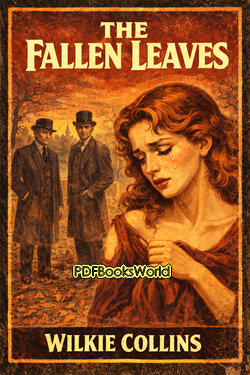
The Fallen Leaves
by Wilkie Collins
Loneliness, Compassion, and Hidden Suffering in a Changing Victorian World
The Fallen Leaves by Wilkie Collins is a deeply emotional Victorian novel exploring social isolation, moral judgment, class inequality, emotional vulnerability, and the quiet dignity of compassion. Moving away from sensational crime and mystery, Collins focuses here on wounded individuals struggling to preserve humanity and affection within a society often governed by prejudice and self-interest.
The novel blends domestic realism with emotional intensity, creating a reflective and compassionate portrait of suffering and resilience.
Lives Damaged by Society and Circumstance
The story follows several emotionally scarred individuals whose lives intersect through friendship, dependence, charity, and emotional need. Some characters suffer because of poverty and illness, while others carry invisible wounds caused by social rejection, personal disappointment, or moral condemnation.
As relationships form within households and social circles, hidden tensions surrounding reputation, inheritance, and past mistakes gradually emerge.
Collins portrays Victorian society as capable of kindness, yet also quick to exclude or condemn those who fall outside accepted standards.
The title itself suggests fragile lives pushed aside like fallen leaves by social change and emotional hardship.
Moments of tenderness and generosity stand beside loneliness and quiet despair.
The Figures Within the Emotional Drama
- The Lonely and Vulnerable Characters: Individuals seeking affection, stability, and acceptance within an often indifferent world.
- The Compassionate Protectors and Friends: Figures attempting to offer kindness and emotional support despite social pressure.
- The Social Critics and Moral Judges: Representatives of Victorian respectability and rigid social expectation.
- The Families and Households: Domestic environments shaped by emotional strain, hidden suffering, and fragile loyalty.
The emotional relationships between damaged and compassionate individuals give the novel its quiet power.
The Human Cost of Social Judgment
One of the novel’s strongest ideas is that society often treats vulnerable people harshly while rewarding appearances and social conformity. Collins repeatedly questions moral systems that value reputation more than empathy or understanding.
The story emphasizes compassion as a form of moral strength rather than weakness.
Characters who show kindness toward the isolated and rejected become emotionally heroic within the narrative.
This humane perspective gives the novel unusual emotional warmth and moral depth.
Major Themes Running Through the Novel
- Isolation and Emotional Loneliness: Vulnerable individuals struggle against rejection and emotional abandonment.
- Compassion and Human Dignity: Acts of kindness provide emotional survival within a judgmental society.
- Social Inequality and Moral Judgment: Victorian respectability often hides cruelty and hypocrisy.
- Fragility and Resilience: Damaged characters attempt to preserve hope despite suffering and disappointment.
Collins’s Compassionate Social Storytelling
The Fallen Leaves reveals Wilkie Collins working in a quieter and more reflective emotional style than many of his famous sensation novels. Suspense remains present, yet the novel focuses more strongly on psychological realism and social observation.
Collins writes with deep sympathy for outsiders, neglected individuals, and those emotionally wounded by society’s rigid expectations.
The pacing unfolds gently while emotional truths gradually deepen.
Why the Novel Still Feels Moving Today
Modern readers continue finding The Fallen Leaves powerful because its themes remain strikingly relevant. Social exclusion, emotional loneliness, public judgment, and the need for compassion continue shaping modern life and relationships.
The novel also stands as one of Collins’s most humane and emotionally sincere works.
For readers interested in Victorian social fiction, emotionally driven narratives, psychological realism, and compassionate stories about vulnerable lives, this work remains touching, thoughtful, and quietly unforgettable.
Similar Genres
About the Author
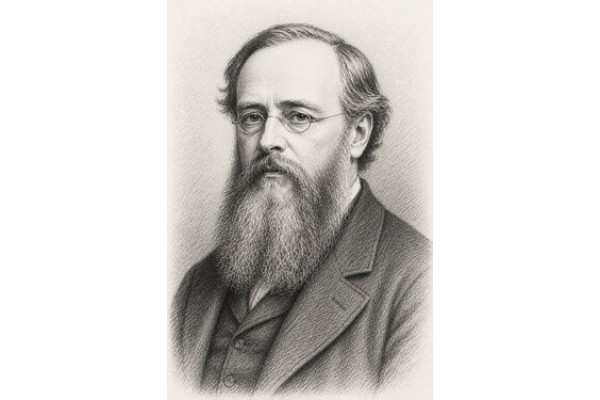
Wilkie Collins earned a lasting reputation as one of the pioneers of modern mystery and sensation fiction. Born in London in 1824, he developed a storytelling style that combined suspense, memorable characters, and carefully constructed plots, keeping readers engaged from beginning to end. Explore Wilkie Collins books to discover the author's life, literary career, and access notable works, including The Moonstone, The Woman in White, After Dark, Basil , and more.