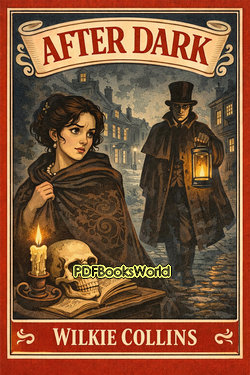
After Dark
by Wilkie Collins
Mystery, Memory, and Human Secrets Beneath the Shadows of Night
After Dark by Wilkie Collins is a fascinating collection of interconnected tales blending mystery, crime, suspense, psychological tension, and emotional drama. Framed through conversations and storytelling among theatrical companions, the book explores hidden identities, dangerous secrets, moral conflict, and strange coincidences lurking beneath ordinary life.
Collins creates an atmosphere where darkness becomes symbolic of concealed truths and hidden human motives.
A Collection of Strange and Suspenseful Tales
The book is structured around a series of stories shared within a domestic and theatrical setting, allowing Collins to present a wide variety of dramatic situations and emotional conflicts.
Each tale introduces characters facing unusual mysteries, crimes, betrayals, personal obsessions, or shocking revelations.
Some stories revolve around hidden inheritance and deception, while others examine revenge, mistaken identity, psychological instability, or moral temptation.
Though varied in tone and subject, the stories remain connected through Collins’s fascination with suspense and the darker corners of human behavior.
The narrative style creates intimacy while gradually building emotional and psychological tension.
The Figures Moving Through the Stories
- The Storytellers and Companions: Individuals sharing strange experiences and mysterious events through conversation and recollection.
- The Victims and Suspects: Characters trapped within secrets, crimes, misunderstandings, and emotional danger.
- The Manipulators and Criminal Minds: Figures using deception, greed, or emotional influence to control others.
- The Observers and Investigators: Individuals attempting to uncover truth hidden beneath appearances.
The uncertainty surrounding motive and identity gives the collection its suspenseful atmosphere.
The Hidden Darkness Within Everyday Life
One of the book’s strongest ideas is that ordinary society conceals hidden emotional and moral complexity beneath polite appearances. Collins repeatedly reveals how secrecy, fear, greed, jealousy, and guilt operate quietly beneath respectable social life.
Night and darkness become recurring symbols of mystery and concealed truth.
The stories often suggest that people rarely know one another completely, no matter how familiar relationships may appear.
This psychological uncertainty became one of Collins’s most influential literary strengths.
Major Themes Running Through the Collection
- Secrecy and Hidden Identity: Characters conceal important truths about themselves and others.
- Crime and Moral Ambiguity: Suspense emerges from deception, manipulation, and conflicting motives.
- Psychological Tension and Fear: Emotional uncertainty shapes relationships and dramatic conflict.
- Appearance Versus Reality: Respectable social surfaces often hide darker human realities.
Wilkie Collins and the Art of Suspense
After Dark reveals Wilkie Collins developing many techniques that later made him one of the pioneers of sensation fiction and detective storytelling. His narratives rely upon atmosphere, emotional pressure, carefully revealed information, and psychological complexity rather than action alone.
The framing structure also allows Collins to experiment with different moods and storytelling styles.
The result feels both intimate and richly unpredictable.
Why the Collection Still Captivates Readers
Modern readers continue enjoying After Dark because its themes of hidden truth, emotional tension, and psychological uncertainty remain timeless.
The collection also offers insight into the origins of modern mystery and suspense fiction.
For readers interested in Victorian sensation fiction, gothic mystery, psychological drama, and classic suspense storytelling filled with secrets and unexpected revelations, this work remains atmospheric, engaging, and deeply entertaining.
Similar Genres
About the Author
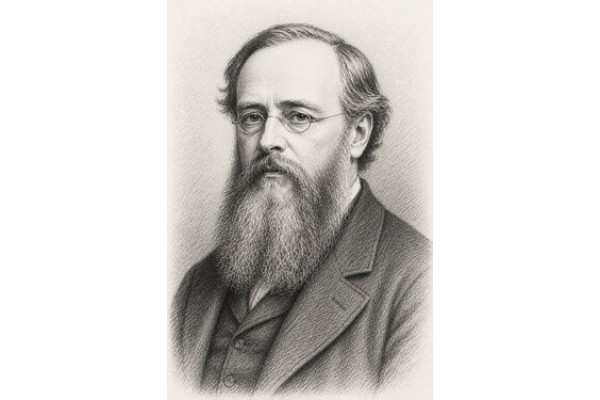
Wilkie Collins earned a lasting reputation as one of the pioneers of modern mystery and sensation fiction. Born in London in 1824, he developed a storytelling style that combined suspense, memorable characters, and carefully constructed plots, keeping readers engaged from beginning to end. Explore Wilkie Collins books to discover the author's life, literary career, and access notable works, including The Moonstone, The Woman in White, Basil, Armadale , and more.