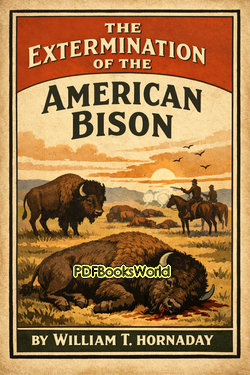
The Extermination of the American Bison
by William T. Hornaday
Wildlife Destruction, Conservation, and the Tragic Decline of the American Bison
The Extermination of the American Bison by William T. Hornaday is a powerful historical and scientific work documenting the near destruction of the American bison during the nineteenth century. Written by one of the earliest major wildlife conservationists in the United States, the book combines natural history, environmental warning, and detailed research to examine how uncontrolled hunting and commercial exploitation nearly wiped out one of North America’s most iconic animals.
Hornaday presents the disappearance of the bison not merely as a hunting story, but as a national tragedy revealing the destructive consequences of greed, waste, and lack of conservation.
The Rise and Collapse of the Great Bison Herds
The book describes the enormous bison populations that once roamed the Great Plains in vast herds numbering in the millions. Hornaday explains how westward expansion, railroad development, commercial hide hunting, and military campaigns against Indigenous peoples accelerated the rapid destruction of the species.
He documents the slaughter carried out for hides, meat, sport, and industrial products while describing the shocking speed with which the herds disappeared.
Rather than treating extinction as an unavoidable natural process, the work demonstrates how human actions caused catastrophic environmental damage within only a few decades.
The volume reflects one of the earliest organized efforts to promote wildlife protection and scientific conservation in America.
Its tone combines scientific observation with moral urgency and environmental concern.
The Beginning of American Conservation Thought
A major theme throughout the book is that humanity has a responsibility to protect wildlife and natural resources from reckless destruction.
Hornaday repeatedly criticizes wasteful hunting practices and the failure of governments and society to act before the bison population collapsed.
The work also reflects the growing nineteenth-century realization that industrial expansion and unregulated exploitation could permanently damage ecosystems and eliminate species.
This early conservation message helped influence later wildlife protection laws and environmental movements.
Historical and Scientific Topics Explored Throughout the Book
- The Decline of the American Bison: Hornaday documents the rapid destruction of bison populations across North America.
- Commercial Hunting and Environmental Exploitation: The book examines the economic forces driving mass slaughter.
- Natural History and Animal Behavior: Scientific observation is used to describe the habits and characteristics of the bison.
- Conservation and Wildlife Protection: The work argues for preservation of endangered species and natural resources.
- The Impact of Expansion and Industrialization: Human settlement and technological change are linked to ecological destruction.
The book stands as one of the foundational works of early American conservation literature.
The Bison as a Symbol of Environmental Loss
One of the work’s strongest ideas is that the destruction of wildlife reflects broader failures of human responsibility and foresight.
Hornaday repeatedly demonstrates how short-term profit and careless exploitation can permanently destroy natural abundance.
The book also reveals how the near extinction of the bison became a warning about the fragility of ecosystems and the dangers of uncontrolled industrial expansion.
This environmental perspective gives the work lasting historical and ecological importance.
William T. Hornaday’s Investigative Conservation Style
The Extermination of the American Bison demonstrates William T. Hornaday’s ability to combine scientific research, historical documentation, and passionate conservation advocacy into compelling narrative form.
The writing remains detailed, forceful, and strongly focused upon preserving evidence of a disappearing species and urging protective action.
Hornaday consistently presents conservation as both a scientific necessity and a moral responsibility.
Why the Book Still Holds Historical and Environmental Importance
Modern readers continue finding The Extermination of the American Bison historically important because it documents one of the greatest wildlife destruction events in North American history.
The book also provides insight into the origins of wildlife conservation and the early environmental movement before modern ecological science and federal protection systems fully developed.
Its warnings about overexploitation, habitat destruction, and species extinction remain highly relevant within contemporary discussions of conservation and environmental policy.
For readers interested in environmental history, wildlife conservation, American history, ecology, natural science, frontier expansion, and animal preservation, this work remains historically revealing, scientifically significant, and emotionally powerful.
Similar Genres
About the Author
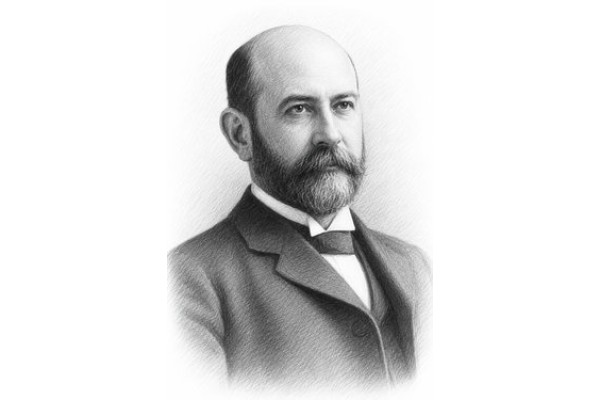
William T. Hornaday, born William Temple Hornaday, was an American zoologist, conservationist, taxidermist, and author whose tireless efforts to protect endangered wildlife helped launch the modern conservation movement in the United States. Explore William T. Hornaday books to discover the author's life, literary career, and access notable works, including Our Vanishing Wild Life - Its Extermination and Preservation , and more.