Our Vanishing Wild Life - Its Extermination and Preservation
by William T. Hornaday
Wildlife Conservation, Environmental Responsibility, and the Protection of Vanishing Species
Our Vanishing Wild Life: Its Extermination and Preservation by William T. Hornaday is a landmark conservation work warning about the rapid destruction of wildlife species through hunting, habitat loss, commercial exploitation, and human expansion. Written during the early twentieth century, the book combines scientific observation, environmental advocacy, and historical documentation while calling for urgent action to preserve endangered animals before they disappear permanently.
Hornaday presents wildlife conservation not merely as a matter of protecting animals, but as a moral and national responsibility essential for preserving the natural world and maintaining ecological balance.
The Rapid Decline of Wildlife Populations
The book documents the alarming reduction of numerous animal species across North America and other regions due to excessive hunting, industrial expansion, deforestation, and commercial trade in animal products. Hornaday discusses the destruction of bison, birds, deer, and many other species whose populations had collapsed under human pressure.
He explains how modern weapons, transportation systems, market hunting, and weak legal protections accelerated wildlife extermination at unprecedented speed.
Rather than treating extinction as an unavoidable outcome of progress, the work demonstrates how irresponsible human behavior and lack of regulation caused unnecessary ecological destruction.
The volume reflects one of the earliest major organized efforts to promote wildlife preservation and environmental awareness in modern society.
Its tone combines scientific seriousness with moral urgency and passionate advocacy for conservation.
The Birth of Modern Conservation Movements
A major theme throughout the book is that governments, institutions, and ordinary citizens must actively protect wildlife before species vanish forever.
Hornaday repeatedly criticizes careless hunting practices, commercial greed, and public indifference toward environmental destruction.
The work also argues for stronger game laws, protected reserves, national parks, and organized conservation programs designed to preserve endangered species and natural habitats.
This conservation message helped shape early environmental policy and wildlife protection efforts in the United States.
Environmental and Historical Topics Explored Throughout the Book
- Wildlife Extermination and Population Decline: Hornaday documents the destruction of major animal species through hunting and habitat loss.
- Conservation and Preservation Efforts: The book advocates legal protection, wildlife reserves, and organized environmental action.
- Commercial Hunting and Industrial Expansion: Economic exploitation is shown to threaten ecological stability.
- Natural History and Animal Observation: Scientific study is used to describe wildlife behavior and environmental conditions.
- The Moral Responsibility of Humanity Toward Nature: The work emphasizes ethical obligations to protect living species and ecosystems.
The book stands as one of the foundational texts of modern wildlife conservation literature.
The Consequences of Human Exploitation
One of the work’s strongest ideas is that uncontrolled exploitation of nature can destroy once-abundant species within a surprisingly short period of time.
Hornaday repeatedly demonstrates how technological advancement and commercial demand intensified environmental destruction far beyond natural recovery.
The book also reveals how extinction often occurs gradually enough to be ignored until populations reach catastrophic decline.
This warning about delayed environmental response remains deeply relevant in modern conservation discussions.
William T. Hornaday’s Powerful Conservation Style
Our Vanishing Wild Life demonstrates William T. Hornaday’s ability to combine scientific research, historical evidence, and passionate environmental advocacy into persuasive and influential writing.
The prose remains direct, urgent, and strongly focused upon convincing readers that wildlife preservation is necessary for both ecological and moral reasons.
Hornaday consistently presents conservation as a duty owed not only to animals, but also to future generations.
Why the Book Still Holds Environmental and Historical Importance
Modern readers continue finding Our Vanishing Wild Life historically important because it captures the early conservation movement at a time when many species faced severe decline from industrial expansion and overhunting.
The book also provides insight into the origins of wildlife preservation laws, environmental activism, and public awareness concerning extinction and habitat protection.
Its discussions of ecological destruction, species decline, and conservation responsibility remain strikingly relevant within modern environmental debates surrounding biodiversity and sustainability.
For readers interested in conservation history, environmental science, ecology, wildlife protection, American history, natural history, and environmental ethics, this work remains scientifically important, historically revealing, and powerfully influential.
Similar Genres
About the Author
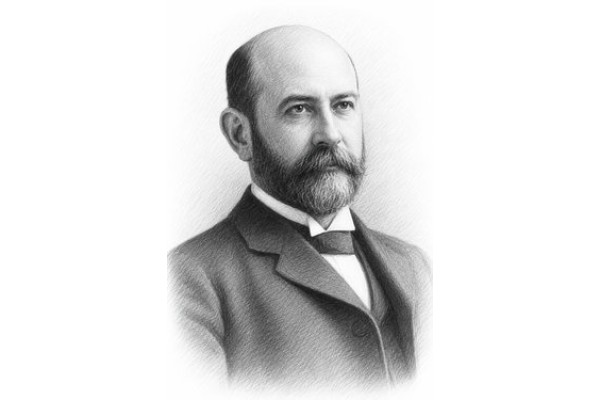
William T. Hornaday, born William Temple Hornaday, was an American zoologist, conservationist, taxidermist, and author whose tireless efforts to protect endangered wildlife helped launch the modern conservation movement in the United States. Explore William T. Hornaday books to discover the author's life, literary career, and access notable works, including The Extermination of the American Bison , and more.