The Escape
by William Wells Brown
A Powerful Antislavery Drama of Courage and the Pursuit of Freedom
The Escape; or, A Leap for Freedom by William Wells Brown is one of the earliest plays written by an African American author and an important contribution to nineteenth-century antislavery literature. Published in 1858, the work combines drama, social criticism, and moral argument to expose the injustices of slavery while celebrating the determination of those who sought freedom despite enormous risks.
Brown brought unique authority to the subject. Having escaped slavery himself, he wrote from personal knowledge of the institution and its consequences. Through a compelling narrative and memorable characters, he challenged audiences to confront the human cost of slavery and to reconsider the social and legal systems that supported it.
The play stands as both a literary achievement and a powerful statement in the struggle against human bondage.
A Story Driven by the Desire for Freedom
The central action revolves around enslaved individuals seeking to escape oppression and claim control over their own lives. Brown structures the drama around tension, uncertainty, and the constant threat of capture, creating a narrative that highlights the dangers faced by those attempting to flee slavery.
Rather than portraying enslaved people as passive victims, the play emphasizes their intelligence, courage, and determination. The pursuit of liberty becomes both a personal goal and a broader symbol of human dignity.
The dramatic conflicts reveal the moral contradictions of a society that proclaimed ideals of freedom while permitting slavery to continue.
Characters and Social Criticism
One of Brown's strengths as a playwright is his use of character to expose different aspects of the slave system. Through conversations, confrontations, and dramatic situations, readers encounter a range of attitudes toward slavery and freedom.
The play explores:
- The resilience of enslaved individuals.
- The abuses of power within the slave system.
- The conflict between law and morality.
- The desire for self-determination and family unity.
These themes are woven into the action rather than presented as abstract arguments, giving the work both emotional and political force.
William Wells Brown's Perspective
William Wells Brown was not only a writer but also a lecturer, abolitionist, and former enslaved person. His experiences shaped much of his literary work, which frequently addressed issues of race, freedom, and social justice.
In The Escape, Brown combines dramatic storytelling with a clear moral purpose. He seeks to engage audiences emotionally while encouraging them to reflect upon the ethical implications of slavery.
His writing is direct and accessible, making the play effective as both literature and advocacy.
The Historical Importance of the Play
The play occupies a notable place in American literary history because it was written during the years leading up to the Civil War, when debates over slavery were becoming increasingly intense. It offers modern readers insight into abolitionist thought and the role literature played in shaping public opinion.
Brown's work also demonstrates how African American writers used drama and storytelling to challenge prevailing stereotypes and present perspectives often excluded from mainstream cultural institutions.
As a result, the play remains valuable both as a historical document and as a work of literature.
Why It Still Resonates
The Escape continues to attract readers because its themes extend beyond its immediate historical setting. Questions of freedom, justice, human rights, and personal dignity remain relevant across generations.
The courage displayed by the characters and the moral clarity of Brown's message continue to inspire reflection on the meaning of liberty and equality.
Modern audiences can appreciate the work not only for its historical significance but also for its emotional power and enduring relevance.
Final Thoughts
The Escape; or, A Leap for Freedom by William Wells Brown is a landmark antislavery drama that combines compelling storytelling with a passionate defense of human freedom. Drawing upon personal experience and moral conviction, Brown created a work that challenged injustice while giving voice to those seeking liberation from oppression.
For readers interested in African American literature, abolitionist writing, nineteenth-century drama, and the history of social reform, this play remains an important and thought-provoking work.
Similar Genres
About the Author
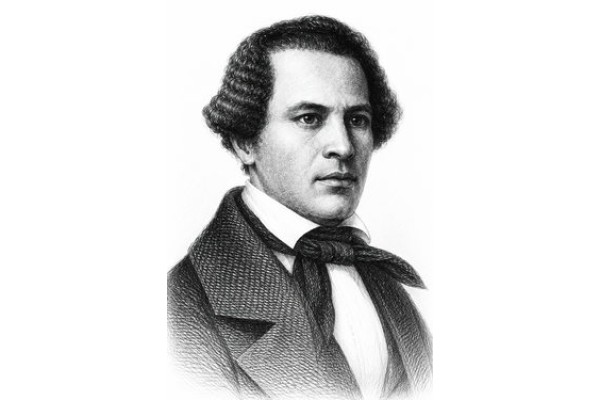
William Wells Brown was an American abolitionist, novelist, playwright, historian, lecturer, and physician whose pioneering writings became powerful voices against slavery and racial injustice. Born into slavery in Lexington, Kentucky, around 1814, Brown escaped to freedom in 1834 and devoted his life to advocating for abolition, civil rights, and education. Explore William Wells Brown books to discover the author's life, literary career, and access notable works, including The Black Man - His Antecedents, His Genius, and His Achievements , and more.