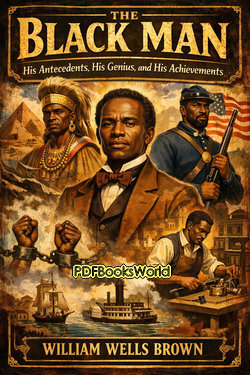
The Black Man - His Antecedents, His Genius, and His Achievements
by William Wells Brown
Black History, Intellectual Achievement, and the Struggle for Human Equality
The Black Man : His Antecedents, His Genius, and His Achievements by William Wells Brown is a powerful historical and biographical work celebrating the accomplishments, intellect, and cultural contributions of Black individuals throughout history. Written by one of the leading African American authors and abolitionists of the nineteenth century, the book challenges racist assumptions while demonstrating the achievements of Black leaders, writers, inventors, soldiers, and reformers across different societies and historical periods.
Brown presents Black history not as marginal or secondary, but as an essential part of human civilization and intellectual progress.
Recovering Historical Achievement
The work gathers biographies, historical examples, and cultural reflections highlighting the accomplishments of Black individuals whose contributions had often been ignored or minimized within mainstream historical writing. Brown emphasizes excellence in literature, politics, science, military leadership, religion, and the arts.
By documenting these achievements, the book directly confronts racial prejudice and arguments used to justify slavery and discrimination. Brown argues that oppression and denial of opportunity, rather than lack of ability, prevented many Black individuals from receiving recognition equal to their talents.
Rather than limiting the discussion to American history alone, the work also considers broader African and global historical contributions.
Freedom, Equality, and Human Dignity
A major theme throughout the book is the defense of human equality and intellectual dignity. Brown repeatedly argues that all people possess the capacity for achievement when given education, freedom, and opportunity.
The work also reflects abolitionist thought and the wider struggle against slavery and racial injustice during the nineteenth century. Brown uses history itself as a weapon against prejudice, demonstrating that Black achievement existed despite systems of oppression.
At the same time, the book encourages pride, education, and cultural self-respect within African American communities.
This combination of biography, history, and social criticism gives the work lasting historical importance.
Historical and Social Themes Explored Throughout the Book
- Black Intellectual and Cultural Achievement: The work highlights accomplishments across many fields of human activity.
- Abolition and Human Equality: Brown challenges slavery and racial discrimination through historical evidence.
- Education and Opportunity: Knowledge becomes essential for freedom and advancement.
- Historical Recovery and Representation: Forgotten or ignored figures are restored to public memory.
- Human Dignity and Social Justice: The book defends equal respect and recognition for all people.
William Wells Brown’s Historical Style
The Black Man : His Antecedents, His Genius, and His Achievements demonstrates William Wells Brown’s skill as both historian and social reformer. His writing remains passionate, informative, and strongly focused upon combining historical documentation with moral argument and cultural affirmation.
Brown consistently presents history as a means of challenging injustice and restoring human dignity.
Why the Book Still Holds Historical Importance
Modern readers continue finding The Black Man : His Antecedents, His Genius, and His Achievements highly valuable because its themes of racial equality, historical representation, education, and cultural recognition remain deeply relevant today. The work also stands as an important contribution to early African American historical writing and abolitionist literature.
Its themes of civil rights, Black history, education, cultural achievement, and social justice continue appealing to readers interested in African American studies, abolition history, biography, social reform, and nineteenth-century intellectual history.
Similar Genres
About the Author
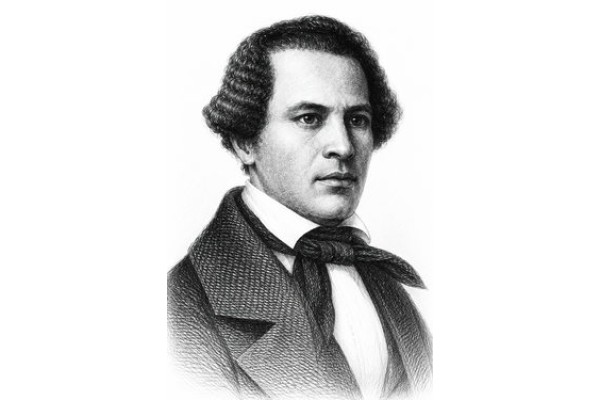
William Wells Brown was an American abolitionist, novelist, playwright, historian, lecturer, and physician whose pioneering writings became powerful voices against slavery and racial injustice. Born into slavery in Lexington, Kentucky, around 1814, Brown escaped to freedom in 1834 and devoted his life to advocating for abolition, civil rights, and education. Explore William Wells Brown books to discover the author's life, literary career, and access notable works, including The Escape , and more.