
The Diary of a Man of Fifty
by Henry James
A Lost Romance Revisited Through Memory and Regret
In The Diary of a Man of Fifty, Henry James creates a reflective and emotionally restrained novella centered on memory, aging, and the painful persistence of the past. Told through the private journal of an older man revisiting Florence after many years, the story unfolds as both a travel reflection and a quiet emotional confession.
Unlike many dramatic romantic stories, James focuses on the subtle emotional changes that occur when someone confronts old feelings long believed forgotten. The novella moves gently, relying on atmosphere, recollection, and psychological tension instead of outward action.
Returning to Florence and to the Past
The unnamed narrator arrives once again in Florence, a city strongly connected to his youth and to an important romantic disappointment. Decades earlier, he had fallen deeply in love with a young woman whose circumstances prevented their relationship from succeeding.
Now older and more experienced, he unexpectedly encounters the daughter of that former love. The resemblance between mother and daughter awakens powerful memories and emotional uncertainty.
As conversations continue, the narrator becomes increasingly haunted by questions about lost opportunity, aging, and emotional repetition.
The Emotional Core of the Story
- The Narrator
An intelligent and reflective man attempting to understand the emotional meaning of his past. - The Younger Generation
Their presence forces the narrator to confront how time changes both people and memory. - The Woman From His Youth
Though largely remembered rather than fully present, she remains central to the narrator’s emotional world.
James builds the novella around emotional echoes rather than dramatic conflict, allowing memory itself to shape the narrative.
A Story About Time More Than Romance
One of the most striking qualities of The Diary of a Man of Fifty is its meditation on aging and self-awareness. The narrator constantly compares the emotional intensity of youth with the restraint and caution of later life.
Florence becomes more than a setting. Its beauty, history, and atmosphere mirror the narrator’s emotional condition. Old buildings, familiar streets, and remembered places all contribute to the feeling that the past is never completely gone.
James quietly asks whether people ever truly escape their earlier selves.
Ideas Running Beneath the Narrative
- Memory as Emotional Reality
The narrator experiences the past as something emotionally alive rather than distant. - Aging and Self-Reflection
The story examines how maturity changes the understanding of love and regret. - Lost Opportunity
James explores the emotional weight carried by choices that can never be undone. - The Persistence of Desire
Even after many years, emotional longing quietly survives beneath outward composure.
A More Intimate Side of Henry James
This novella reveals James at his most introspective. The narrative feels deeply personal because it focuses less on society and more on private emotional experience. The diary format allows readers to experience hesitation, memory, and emotional uncertainty directly through the narrator’s thoughts.
The restrained style makes the emotional impact stronger. James avoids melodrama, allowing silence, reflection, and atmosphere to carry emotional meaning.
Why Readers Continue Returning to This Novella
The Diary of a Man of Fifty remains compelling because it captures a universal human experience: looking backward and wondering how life might have unfolded differently.
Modern readers continue to connect with its themes of nostalgia, aging, emotional memory, and unfinished feeling. James portrays regret not as loud tragedy, but as something quieter and more realistic lingering gently through time.
For readers drawn to psychological fiction, reflective storytelling, and emotionally subtle literary classics, this novella remains graceful, melancholic, and deeply human.
Similar Genres
About the Author
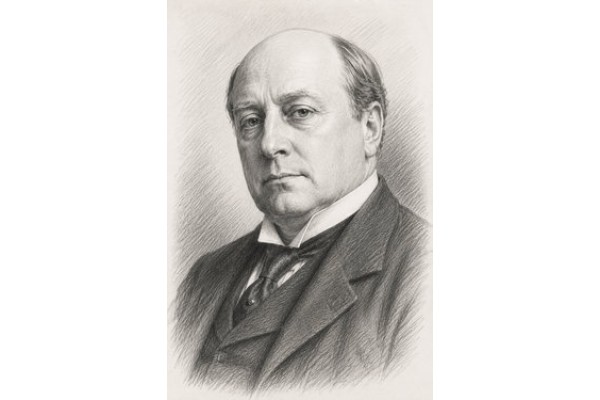
Henry James was one of the most influential novelists of the late nineteenth and early twentieth centuries, renowned for bringing exceptional psychological depth to fiction. Born in New York in 1843, he later settled in Europe, where his experiences shaped a distinctive literary voice that blended American perspectives with European culture. Explore Henry James books to discover the author's life, literary career, and access notable works, including Daisy Miller - A Study, The Turn of the Screw, The Point of View, The Pension Beaurepas , and more.