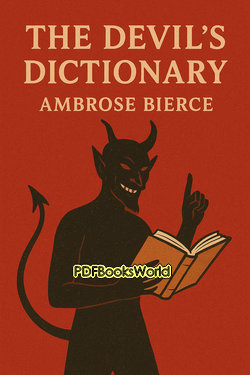
The Devil's Dictionary
by Ambrose Bierce
The Lasting Satire of The Devil’s Dictionary
The Devil’s Dictionary by Ambrose Bierce stands as one of the most entertaining and intelligent satire books in American literature. Instead of offering ordinary dictionary meanings, Bierce transforms language into sharp social commentary filled with sarcasm, humor, and criticism of human behavior. The book continues to attract readers because many of its observations still apply to modern society.
A Dictionary Unlike Any Other
This unusual literary work takes common words and gives them humorous or cynical meanings. Through wit and irony, Bierce exposes human flaws such as greed, vanity, dishonesty, and political corruption.
- Creative and witty definitions
- Short, easy-to-read entries
- Strong political and social satire
- Dark humor mixed with intelligence
- Timeless observations about people
Readers interested in classic satire can learn more through Wikipedia’s article on The Devil’s Dictionary and Encyclopaedia Britannica.
About Ambrose Bierce
Ambrose Bierce earned a reputation as one of America’s sharpest critics and satirists. He worked as a journalist and writer during a period of major political and social change in the United States. His harsh but clever writing style made him both admired and controversial.
His experiences during the Civil War greatly influenced his dark literary tone and skeptical view of society.
More about his literary career can be explored at Poetry Foundation and Library of Congress.
Memorable Themes Inside the Book
The humor in The Devil’s Dictionary comes from Bierce’s ability to expose uncomfortable truths through short and amusing definitions.
Politics and Government
Many entries criticize political systems, leaders, and public opinion using sharp sarcasm.
Human Nature
Bierce often highlights selfishness, pride, dishonesty, and hypocrisy in everyday life.
Love and Marriage
Several definitions explore relationships with humor that is both entertaining and surprisingly honest.
Why Modern Readers Still Enjoy It
Although the book was published more than a century ago, its satire remains relevant because society still struggles with many of the same problems Bierce mocked during his lifetime.
- Quick and engaging reading style
- Humor that feels modern
- Ideal for fans of sarcasm and satire
- Thought-provoking social commentary
- Popular in literature studies
Students and readers can also explore literary discussions at SparkNotes, CliffsNotes, and Literary Hub.
The Literary Influence of the Book
The clever style of The Devil’s Dictionary influenced later humor writers, journalists, and political commentators. Bierce demonstrated how satire could entertain readers while also challenging society and exposing uncomfortable truths.
His work remains important because it combines intelligence, humor, and criticism in a way that still feels fresh today.
Why the Book Continues to Matter
The Devil’s Dictionary remains a powerful example of literary satire. Ambrose Bierce used humor not only to entertain readers but also to question society, politics, and human behavior. Its sharp wit and timeless observations continue to attract readers looking for intelligent and memorable writing.
Similar Genres
About the Author
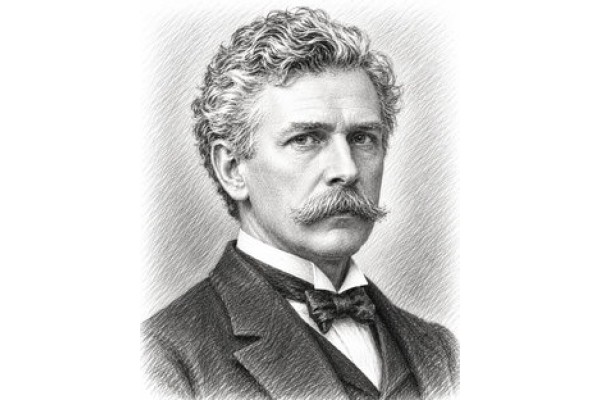
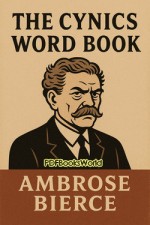
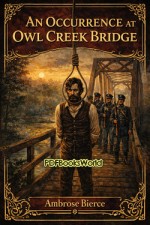
Ambrose Bierce was one of America's most original literary voices, renowned for his sharp wit, masterful short stories, and penetrating observations of human nature. Born in Ohio in 1842, Bierce served as a soldier during the American Civil War, an experience that profoundly shaped his writing. Explore Ambrose Bierce books to discover the author's life, literary career, and access notable works, including The Cynics Word Book, An Occurrence at Owl Creek Bridge, The Collected Works of Ambrose Bierce, Volume XII, The Collected Works of Ambrose Bierce (Vol. 9) , and more.