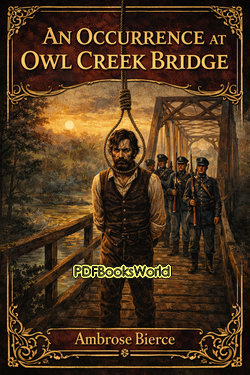
An Occurrence at Owl Creek Bridge
by Ambrose Bierce
A Powerful Short Story About War, Illusion, and the Final Moments of Life
An Occurrence at Owl Creek Bridge by Ambrose Bierce is one of the most famous American short stories ever written. First published in 1890, the story takes place during the American Civil War and follows Peyton Farquhar, a Southern civilian sentenced to death by hanging at Owl Creek Bridge.
The story became celebrated for its suspenseful structure, psychological depth, and surprising ending. Through themes of time, illusion, fear, and survival, Bierce created a masterpiece of American short fiction and psychological realism.
About the Author
Ambrose Bierce was an American writer, journalist, and Civil War veteran known for his dark humor, sharp wit, and realistic war stories. His experiences during the Civil War strongly influenced much of his writing.
Bierce became respected for his ability to combine realism, suspense, and psychological insight in both fiction and journalism.
Main Themes of the Story
The story explores the emotional and mental experiences of a man facing death. Bierce examines how fear, hope, and imagination affect human perception during moments of extreme danger.
Important Themes Discussed
- War and human suffering
- Illusion versus reality
- Fear, survival, and death
- The psychology of time and memory
The narrative also reflects the emotional trauma and uncertainty created by war and conflict.
The Illusion of Escape
As Peyton Farquhar faces execution, the story shifts into a vivid sequence in which he appears to escape from death and attempt to return home. Bierce describes these moments with intense detail and emotional realism.
The dramatic twist at the end reveals the true nature of Farquhar’s experience, making the story one of the most memorable examples of psychological storytelling in American literature.
What Makes the Story Unique
- Innovative narrative structure and twist ending
- Intense psychological realism
- Powerful exploration of perception and time
Writing Style
Bierce’s writing style is vivid, precise, and suspenseful. He uses detailed descriptions and shifting perspectives to create emotional tension and uncertainty.
The realistic atmosphere and psychological intensity help immerse readers in the character’s final moments.
Historical Importance
An Occurrence at Owl Creek Bridge became one of the defining works of American Civil War literature. Its innovative storytelling techniques influenced modern short fiction, cinema, and psychological drama.
Historical Features
- Realistic portrayal of wartime fear and death
- Influence on psychological and suspense fiction
- Groundbreaking narrative structure in short stories
The story also reflected the emotional impact and human tragedy of the Civil War era.
Lessons for Modern Readers
Modern readers continue to admire the story because of its emotional power, suspense, and exploration of human consciousness. The themes of mortality, perception, and hope remain deeply meaningful and thought-provoking.
The story also demonstrates how powerful storytelling can transform a brief moment into an unforgettable literary experience.
Conclusion
An Occurrence at Owl Creek Bridge by Ambrose Bierce remains a masterpiece of American short fiction. Through psychological depth, suspenseful narration, and a legendary ending, Bierce created a timeless story about war, illusion, and the human mind in the face of death.
Similar Genres
About the Author
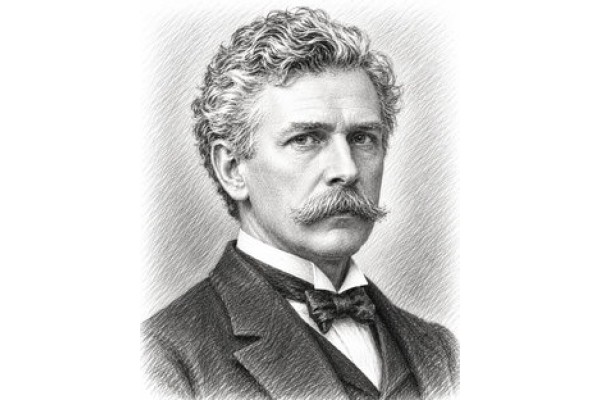
Ambrose Bierce was one of America's most original literary voices, renowned for his sharp wit, masterful short stories, and penetrating observations of human nature. Born in Ohio in 1842, Bierce served as a soldier during the American Civil War, an experience that profoundly shaped his writing. Explore Ambrose Bierce books to discover the author's life, literary career, and access notable works, including The Cynics Word Book, The Devil's Dictionary, The Collected Works of Ambrose Bierce, Volume XII, The Collected Works of Ambrose Bierce (Vol. 9) , and more.