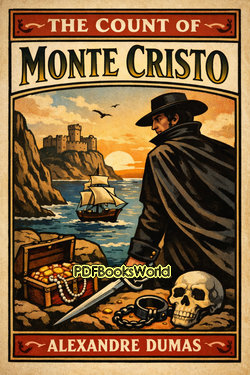
The Count of Monte Cristo: Alexandre Dumas’s Legendary Tale of Revenge and Redemption
The Count of Monte Cristo is one of the most celebrated adventure novels ever written. Created by Alexandre Dumas and first published in the nineteenth century, the novel combines betrayal, imprisonment, revenge, mystery, and redemption within an unforgettable historical drama. The story remains one of the defining works of French literature and continues to captivate readers through its suspenseful storytelling and emotionally powerful themes.
A Life Destroyed By Betrayal
The novel follows Edmond Dantès, a young sailor whose future appears full of promise. He is respected by his employer, loved by his fiancée Mercédès, and about to become the captain of a ship. However, jealousy and political ambition lead several enemies to falsely accuse him of treason, resulting in his imprisonment inside the notorious Château d’If.
While imprisoned, Dantès meets Abbé Faria, an intelligent fellow prisoner who educates him and reveals the location of a hidden treasure on the island of Monte Cristo. After a daring escape, Dantès transforms himself into the mysterious Count of Monte Cristo and begins carefully planning revenge against those responsible for destroying his life.
Revenge, Justice, and Transformation
One reason The Count of Monte Cristo remains so admired is its exploration of revenge and personal transformation. Edmond Dantès evolves from an innocent and hopeful young man into a wealthy, intelligent, and emotionally controlled figure driven by a desire for justice.
As the Count carries out his elaborate plans, the novel raises important questions about morality, forgiveness, and the emotional cost of revenge. Dumas gradually shows how vengeance can consume a person’s identity and alter their understanding of justice and humanity.
An Epic Story Filled With Adventure and Intrigue
The novel combines emotional drama with adventure, mystery, political conflict, hidden identities, secret fortunes, and dramatic confrontations. Alexandre Dumas keeps the story engaging through constant twists, memorable characters, and carefully constructed suspense.
The settings of France, Italy, and the Mediterranean also give the novel a grand historical atmosphere that adds richness and excitement to Edmond Dantès’s journey across different societies and social classes.
Why Readers Continue To Love The Novel
Modern readers continue to admire The Count of Monte Cristo because of its powerful storytelling and emotional intensity. Themes such as betrayal, loyalty, hope, justice, suffering, and redemption remain timeless and continue to resonate with audiences around the world.
The novel also appeals to readers who enjoy intelligent revenge stories, historical drama, and richly layered characters whose motivations evolve throughout the narrative.
The Lasting Legacy of Alexandre Dumas’s Masterpiece
The influence of The Count of Monte Cristo extends far beyond literature. The story inspired numerous films, television adaptations, theatre productions, and modern reinterpretations that continue to introduce new generations to Edmond Dantès’s unforgettable journey.
Many critics and readers continue to consider the novel one of the greatest revenge stories ever written because of its emotional depth, dramatic structure, and unforgettable central character.
Final Thoughts
The Count of Monte Cristo remains one of the defining masterpieces of adventure and historical fiction. Through betrayal, transformation, revenge, and redemption, Alexandre Dumas created a timeless novel that continues to entertain and inspire readers across generations.
For readers interested in classic literature, historical drama, and emotionally powerful adventure stories, this novel remains an essential and unforgettable reading experience.