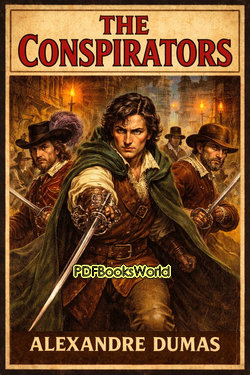
The Conspirators
by Alexandre Dumas
A Political Drama of Loyalty, Intrigue, and Revolutionary Tension
The Conspirators by Alexandre Dumas is a historical and political narrative exploring secret alliances, revolutionary plotting, personal ambition, and the dangerous instability of power during periods of social unrest. Blending suspense, dramatic confrontation, and emotional conflict, the work reflects Dumas’s fascination with loyalty, betrayal, honor, and the unpredictable forces shaping history.
The story unfolds through hidden meetings, shifting allegiances, and characters caught between private conviction and political danger.
Secret Plans Threaten the Existing Order
The narrative centers on a group of individuals involved in covert political activity aimed at challenging established authority. Some conspirators act from genuine ideological commitment, while others pursue revenge, influence, or personal advancement.
As plans develop in secrecy, trust becomes increasingly fragile.
Characters must navigate surveillance, suspicion, coded communication, and the constant fear of exposure.
Dumas gradually reveals how political conspiracies affect not only governments, but also friendships, romances, and personal morality.
The emotional tension grows as hidden motives and conflicting loyalties emerge within the group itself.
The Figures Within the Political Conflict
- The Revolutionary Conspirators
Men and women risking their safety for political ideals, revenge, or ambition. - The Authorities and Opponents
Forces attempting to preserve order and uncover hidden rebellion. - The Loyal Friends and Doubtful Allies
Characters caught between trust, fear, and conflicting obligations.
The uncertainty surrounding loyalty and betrayal drives much of the story’s suspense.
Politics as Human Drama
One of the story’s strongest qualities is Dumas’s understanding that political conflict is ultimately shaped by human emotion. Ideology alone does not control events. Pride, fear, love, ambition, jealousy, and personal honor constantly influence the actions of the conspirators.
The narrative therefore becomes both political thriller and emotional drama.
Dumas also explores how secrecy itself changes people, creating paranoia, mistrust, and moral compromise.
Major Themes Running Through the Story
- Loyalty and Betrayal
Characters struggle to determine whom they can truly trust. - Power and Political Conflict
Secret movements challenge established authority and social order. - Idealism Versus Personal Ambition
Political causes become entangled with private motives and desires. - Danger and Suspicion
Secrecy creates constant emotional and psychological tension.
Dumas’s Talent for Historical Drama
The Conspirators reflects Alexandre Dumas’s remarkable ability to transform political conflict into vivid and emotionally engaging storytelling. His narratives rarely focus only on historical events themselves.
Instead, he emphasizes personality, dramatic confrontation, suspense, and the emotional stakes hidden beneath political struggle.
The pacing remains energetic while the atmosphere grows increasingly tense and uncertain.
Why the Story Still Appeals to Readers
Modern readers continue appreciating The Conspirators because its themes remain timeless. Political instability, secret movements, ideological conflict, and divided loyalties continue shaping societies throughout the modern world.
The story also retains the dramatic energy and emotional immediacy associated with Dumas’s finest historical fiction.
For readers interested in political intrigue, historical drama, revolutionary fiction, and suspenseful narratives about loyalty and betrayal, this work remains engaging, tense, and richly entertaining.
Similar Genres
About the Author
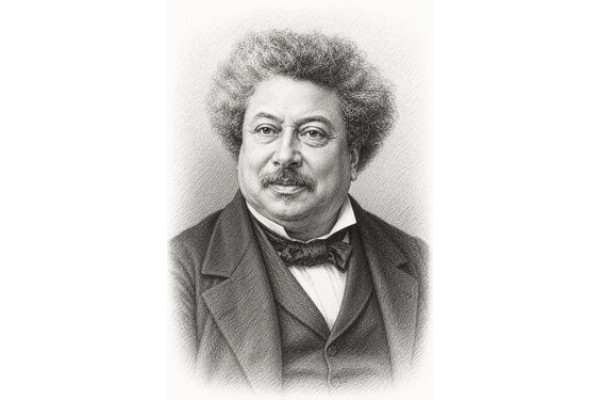
Alexandre Dumas captivated readers with thrilling adventures, unforgettable heroes, and stories that have stood the test of time. Born in France in 1802, he possessed an extraordinary gift for weaving history, romance, and action into novels that appealed to readers of every age. Explore Alexandre Dumas books to discover the author's life, literary career, and access notable works, including The Count of Monte Cristo, The Three Musketeers, The Royal Life Guard, The Man in the Iron Mask , and more.