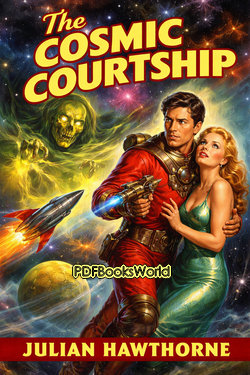
The Cosmic Courtship
by Julian Hawthorne
A Romantic and Imaginative Journey Beyond the Ordinary
The Cosmic Courtship by Julian Hawthorne is a unique blend of romance, fantasy, and speculative fiction that explores love, destiny, and the mysteries of existence. Known for combining psychological insight with imaginative storytelling, Hawthorne creates a narrative that moves beyond everyday reality into a realm where emotions, ideals, and cosmic forces intersect. The novel reflects the late nineteenth-century fascination with spiritual inquiry, scientific possibility, and the unseen dimensions of life.
A Love Story on a Grand Scale
At its heart, the novel is a courtship story, but one that extends far beyond conventional romance. The relationships between the characters are influenced by larger questions about fate, personal growth, and humanity's place within the universe. Hawthorne presents love not merely as a personal experience but as a force connected to broader patterns of existence.
This expansive perspective gives the narrative an unusual and thought-provoking character.
Characters and Relationships
The story features individuals whose emotional journeys are intertwined with philosophical and spiritual questions. Their interactions reveal differing attitudes toward love, ambition, belief, and self-understanding. As relationships develop, the characters are challenged to reconsider their assumptions about themselves and the world around them.
These personal struggles provide the emotional foundation of the novel.
Themes Explored Throughout the Novel
- Love and Destiny: The possibility that human relationships are part of a larger cosmic design.
- Spiritual Inquiry: Exploration of unseen realities and higher truths.
- Individual Growth: The development of character through experience and reflection.
- Imagination: The power of visionary thinking to expand human understanding.
- The Nature of Reality: Questions about what lies beyond ordinary perception.
The Influence of Speculative Thought
The late nineteenth century witnessed growing public interest in science, psychology, and spiritual movements. Hawthorne drew upon this atmosphere of curiosity, incorporating ideas that challenged traditional boundaries between material reality and the world of imagination.
The result is a narrative that invites readers to contemplate possibilities beyond the limits of everyday experience.
Julian Hawthorne's Literary Style
As the son of renowned author Nathaniel Hawthorne, Julian Hawthorne inherited an appreciation for psychological complexity and symbolic storytelling. His works often blend realistic observation with imaginative or philosophical elements, creating narratives that operate on multiple levels.
In The Cosmic Courtship, this style allows him to combine romance with broader reflections on human existence.
A Novel of Ideas and Emotion
While the story contains elements of fantasy and speculation, it remains grounded in human emotions and relationships. The characters' hopes, fears, and aspirations provide an accessible point of entry into a narrative that also engages with larger philosophical themes.
This balance helps make the novel both entertaining and intellectually engaging.
Why the Novel Continues to Interest Readers
Readers who enjoy works that blend romance with philosophical exploration often find the novel rewarding. Its themes of destiny, spiritual curiosity, and personal transformation remain relevant because they address questions that continue to fascinate people across generations.
The novel also offers a glimpse into the imaginative and intellectual climate of its era.
A Thoughtful Blend of Romance and Speculation
The Cosmic Courtship combines emotional storytelling with imaginative exploration of humanity's connection to larger cosmic forces. Through romance, reflection, and speculation, Julian Hawthorne creates a novel that encourages readers to consider the mysteries of love, destiny, and existence itself. The work remains an intriguing example of late nineteenth-century imaginative fiction and its search for meaning beyond the visible world.
Similar Genres
About the Author
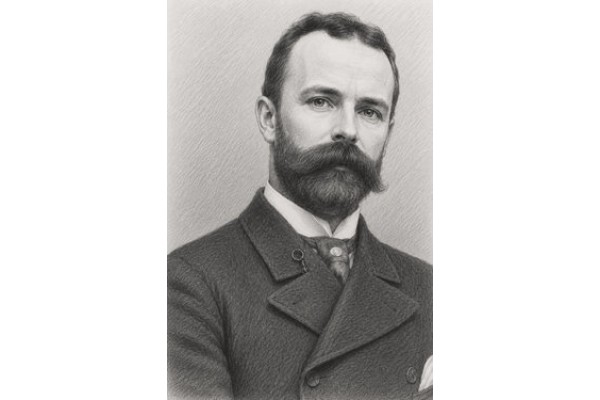
Julian Hawthorne was an American novelist, biographer, journalist, and travel writer whose prolific literary career spanned fiction, history, mystery, and literary criticism. Born in Boston in 1846, he was the only son of the celebrated novelist Nathaniel Hawthorne. Explore Julian Hawthorne books to discover the author's life, literary career, and access notable works, including Library of the World's Best Mystery and Detective Stories, Dust , and more.