
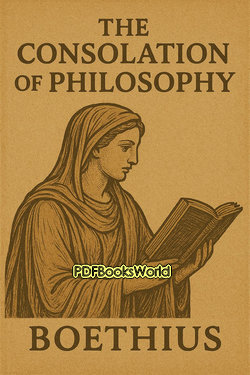
The Consolation of Philosophy
by Boethius
Wisdom, Fate, and Inner Peace in The Consolation of Philosophy
The Consolation of Philosophy by Boethius is one of the most influential philosophical works of the Middle Ages. Written in the sixth century while Boethius was imprisoned and awaiting execution, the book explores suffering, fortune, happiness, and the search for wisdom during times of personal crisis.
The work takes the form of a dialogue between Boethius and Lady Philosophy, a symbolic figure who attempts to guide him away from despair and toward deeper understanding. Through conversation, poetry, and reflection, the book examines the nature of true happiness and the instability of worldly success.
Why the Book Remains Important
The Consolation of Philosophy became one of the most widely read philosophical texts in medieval Europe. Its ideas influenced theology, literature, ethics, and political thought for centuries.
Reasons Readers Continue to Study the Work
- Profound reflections on suffering and happiness
- Blend of philosophy and literary storytelling
- Exploration of fate, fortune, and free will
- Influence on medieval and Renaissance thought
- Timeless emotional and spiritual themes
The book remains admired for combining intellectual depth with personal emotion and moral reflection.
The Wheel of Fortune
One of the most famous ideas in the work is the “Wheel of Fortune,” which symbolizes the unpredictable nature of worldly success and failure. Boethius argues that wealth, power, and fame can disappear suddenly because they depend on unstable external circumstances.
True happiness, according to Lady Philosophy, must come from inner wisdom and virtue rather than temporary material success.
Readers interested in medieval philosophy and intellectual history can explore Britannica’s article on medieval philosophy.
Philosophy as Comfort During Suffering
Throughout the dialogue, Lady Philosophy encourages Boethius to view suffering through reason and spiritual understanding rather than despair. The work argues that human beings often misunderstand happiness because they focus too heavily on external rewards.
The discussion of fate, divine order, and free will became highly influential in later philosophical and religious thought.
Major Themes in the Book
- Fortune and instability
- The search for true happiness
- Wisdom and self-knowledge
- Suffering and emotional resilience
- Free will and divine order
Boethius’s Literary and Philosophical Style
Boethius combines prose and poetry throughout the work, creating a reflective and emotionally powerful reading experience. His writing balances logical argument with symbolic imagery and personal reflection.
The mixture of philosophy and literary expression helped the book remain accessible to both scholars and general readers across many centuries.
More about Boethius’s life and intellectual influence can be found through Encyclopaedia Britannica’s biography of Boethius.
The Book’s Influence on Literature and Philosophy
The Consolation of Philosophy influenced major writers including Dante, Geoffrey Chaucer, and Thomas More. Its ideas about fortune, morality, and inner peace shaped medieval literature and Christian philosophy.
The work continues to attract readers because its reflections on suffering, uncertainty, and emotional endurance remain deeply relevant.
Readers interested in classical and medieval ethics can also visit Stanford Encyclopedia of Philosophy’s article on medieval philosophy.
Final Thoughts
The Consolation of Philosophy remains a timeless meditation on suffering, wisdom, and human happiness. Boethius transformed personal tragedy into a philosophical masterpiece that continues to inspire readers searching for meaning, resilience, and inner peace.
Similar Genres
About the Author
Anicius Manlius Severinus Boethius, commonly known as Boethius, was a Roman philosopher, statesman, theologian, and scholar whose writings formed a vital bridge between the classical world and the Middle Ages. Born in Rome around 480 CE, Boethius held high office under the Ostrogothic king Theodoric the Great before being imprisoned on charges of treason. Explore Boethius books to discover the author's life, literary career, and access notable works.