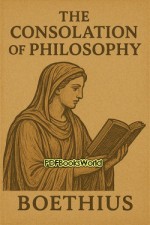
Boethius
Anicius Manlius Severinus Boethius, commonly known as Boethius, was a Roman philosopher, statesman, theologian, and scholar whose writings formed a vital bridge between the classical world and the Middle Ages. Born in Rome around 480 CE, Boethius held high office under the Ostrogothic king Theodoric the Great before being imprisoned on charges of treason. During his captivity, he composed works that blended classical philosophy with profound reflections on fortune, justice, providence, and the human search for happiness. His writings preserved the intellectual heritage of ancient Greece and Rome, profoundly influencing medieval philosophy, Christian theology, and Renaissance humanism.
Uniting Classical Wisdom and Christian Thought
Boethius believed that philosophy offered enduring guidance in times of uncertainty and suffering. Drawing inspiration from Plato, Aristotle, and the Stoic tradition, he explored the nature of happiness, free will, divine providence, and the relationship between reason and faith. His elegant Latin prose and logical arguments made complex philosophical ideas accessible to generations of readers, establishing his works as essential texts in medieval education. His influence extended across centuries, shaping the thought of theologians, philosophers, poets, and scholars throughout Europe.
The Consolation of Philosophy, written while Boethius awaited execution, remains one of the greatest philosophical classics ever composed. Presented as a dialogue between the imprisoned author and Lady Philosophy, the work examines the fleeting nature of fortune, the pursuit of wisdom, the problem of evil, and the path to true happiness. Its timeless reflections on adversity and human resilience have inspired readers for more than fifteen centuries.
Essential Works
- The Consolation of Philosophy is Boethius's masterpiece, exploring fortune, happiness, free will, providence, and the enduring value of wisdom through a philosophical dialogue.
- De Trinitate (On the Trinity) examines the Christian doctrine of the Trinity through rigorous philosophical reasoning and theological analysis.
- How Substances Are Good investigates the relationship between goodness, existence, and the nature of created beings.
- On the Catholic Faith presents a concise exposition of Christian doctrine, reflecting Boethius's commitment to theological clarity and orthodoxy.
- Commentaries on Aristotle's Logical Works helped preserve and transmit Aristotelian logic to medieval Europe, becoming foundational texts in the history of Western philosophy.
An Enduring Legacy in Philosophy
Boethius's writings continue to inspire readers through their intellectual depth, literary elegance, and timeless reflections on the human condition. From The Consolation of Philosophy to his theological treatises and influential commentaries on Aristotle, his works remain foundational texts in philosophy, theology, and the history of ideas. His enduring legacy continues to guide readers seeking wisdom, resilience, and a deeper understanding of reason, faith, and the pursuit of lasting happiness.
If you enjoy classical philosophy, theology, ancient history, and timeless works of intellectual inquiry, the writings of Boethius are well worth exploring. At PDFBooksWorld, you can discover a carefully curated collection of his enduring masterpieces and experience the profound wisdom of one of history's greatest philosophers.