
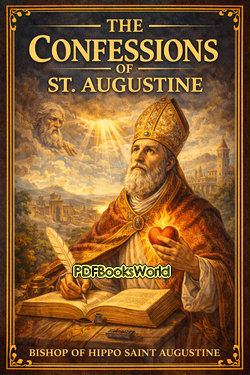
The Confessions of St. Augustine
by Aurelius Augustinus
A Profound Spiritual Autobiography About Faith, Sin, and Personal Transformation
The Confessions of St. Augustine by Saint Augustine is one of the most influential autobiographical and spiritual works in Western literature. Written in the fourth century, the book describes Augustine’s journey from youthful ambition and moral struggle toward religious faith and spiritual understanding.
The work combines autobiography, philosophy, theology, and prayer while exploring questions about human nature, memory, truth, and the search for God. Augustine’s reflections helped shape the development of Christian theology and spiritual literature.
About the Author
Saint Augustine was an early Christian philosopher, theologian, and bishop whose writings became central to the intellectual history of Christianity and Western philosophy.
Born in North Africa during the Roman Empire, Augustine spent years studying rhetoric and philosophy before converting to Christianity. His works later influenced religious thought, ethics, and philosophy for centuries.
Main Themes of the Book
The autobiography focuses on Augustine’s inner struggles, intellectual development, and gradual spiritual transformation.
Important Themes Discussed
- Faith and spiritual conversion
- Sin, guilt, and redemption
- The search for truth and wisdom
- Human desire, memory, and self-reflection
Augustine examines how personal choices, emotions, and intellectual questions shaped his understanding of life and faith.
Augustine’s Journey Toward Faith
In his youth, Augustine pursued pleasure, ambition, and philosophical study while struggling with moral uncertainty and dissatisfaction. Over time, he became increasingly interested in spiritual truth and religious understanding.
His eventual conversion to Christianity became one of the most famous moments in religious literature, representing a turning point toward inner peace and spiritual commitment.
What Makes the Work Unique
- One of the earliest autobiographies in Western literature
- Blend of philosophy, theology, and personal reflection
- Deep psychological and spiritual insight
Writing Style
Augustine’s writing style is emotional, reflective, and philosophical. The book is written as a direct conversation with God, giving the narrative a deeply personal and spiritual tone.
The thoughtful language and introspective analysis make the work both intellectually rich and emotionally powerful.
Historical Importance
The Confessions became one of the most influential works in the history of Christian philosophy and autobiographical literature. Augustine’s ideas shaped medieval theology, ethics, and philosophical discussions about the self and human nature.
Historical Features
- Major influence on Christian theology and philosophy
- Early model for autobiographical writing
- Exploration of inner psychological experience
The work also contributed to later discussions about free will, morality, and spiritual identity.
Lessons for Modern Readers
Modern readers continue to value the book because of its honesty, emotional depth, and exploration of personal transformation. Augustine’s reflections on doubt, desire, and meaning remain relatable across cultures and generations.
The autobiography also encourages readers to think deeply about purpose, self-understanding, and the search for truth.
Conclusion
The Confessions of St. Augustine remains a timeless spiritual and philosophical masterpiece. Through personal reflection, intellectual insight, and emotional honesty, Saint Augustine created a work that continues to inspire readers seeking wisdom, faith, and understanding of the human condition.
Similar Genres
About the Author
Saint Augustine of Hippo, also known as Aurelius Augustinus, was an early Christian theologian, philosopher, bishop, and one of the most influential thinkers in Western history. Born in Tagaste, Roman North Africa, in 354 CE, Augustine underwent a remarkable intellectual and spiritual journey before converting to Christianity under the influence of Saint Ambrose. Explore Aurelius Augustinus books to discover the author's life, literary career, and access notable works.