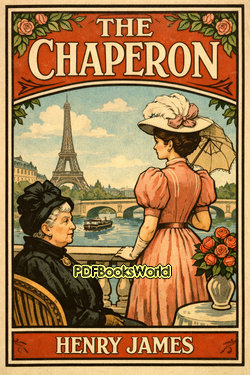
The Chaperon
by Henry James
Society, Reputation, and Emotional Observation in Henry James’s Elegant Novella
The Chaperon by Henry James is a subtle and psychologically observant novella that explores social reputation, emotional independence, friendship, and the hidden tensions beneath polite society. Through carefully developed relationships and refined social situations, Henry James examines how appearances, gossip, and personal history quietly influence human behavior.
The story combines emotional realism with social comedy while reflecting James’s fascination with manners, reputation, and emotional perception. Beneath the graceful surface lies a thoughtful study of loneliness, dignity, and personal misunderstanding.
The result is an intelligent and emotionally nuanced work filled with wit and psychological depth.
A Woman Returns to Society With a Complicated Reputation
The novella follows Mrs. Lavington, a socially experienced woman whose past has left her reputation uncertain within fashionable circles. She becomes the chaperon for a younger woman, Rose Tramore, whose beauty and innocence attract admiration from society.
As the two women move through social gatherings and personal relationships, emotional tensions gradually emerge involving family history, judgment, and emotional loyalty. Mrs. Lavington’s position as both protector and observer allows her to quietly study the behavior and motives of those around her.
James carefully explores how society remembers, judges, and misunderstands individuals.
Important Characters in the Novella
- Mrs. Lavington
A perceptive and emotionally intelligent woman navigating society with dignity and restraint. - Rose Tramore
A beautiful young woman entering fashionable society while carrying the emotional weight of family reputation. - The Social Circle
Aristocratic and socially ambitious figures whose opinions and behavior shape the emotional atmosphere of the story.
The emotional relationships between these characters create the novella’s subtle tension and psychological richness.
A Refined and Conversation-Driven Writing Style
Henry James writes with elegance and psychological subtlety throughout The Chaperon. Much of the emotional drama develops through conversation, observation, and social interaction rather than dramatic external events.
James carefully reveals hidden motives, emotional insecurity, and quiet acts of kindness beneath formal manners and polite behavior. Readers are encouraged to interpret emotional meaning from small gestures and subtle dialogue.
The restrained prose creates realism, wit, and emotional complexity.
Main Themes Explored Throughout the Story
- Reputation and Social Judgment
The novella explores how society remembers and interprets personal history. - Friendship and Emotional Loyalty
Relationships are shaped by trust, understanding, and quiet emotional support. - Appearance Versus Reality
Public image often hides deeper emotional truth and personal vulnerability. - Women and Social Independence
James examines the emotional challenges women face within socially restrictive environments.
These themes give the novella emotional sophistication and lasting literary appeal.
A Strong Example of Henry James’s Social Fiction
The Chaperon reflects Henry James’s remarkable ability to create emotional depth through ordinary social situations and carefully observed human behavior. The novella transforms fashionable society into a setting filled with psychological tension and moral complexity.
James also portrays women with unusual intelligence and emotional realism, allowing readers to appreciate the quiet strength and sensitivity of Mrs. Lavington.
The story remains especially rewarding for readers who enjoy subtle emotional drama and refined social observation.
Why the Novella Still Resonates Today
Even today, The Chaperon continues to resonate because its themes remain timeless. Readers still recognize the pressures of reputation, social judgment, and emotional misunderstanding.
The novella also feels modern in its psychological sensitivity and nuanced portrayal of women navigating public expectations and private emotion. James explores these experiences with remarkable intelligence and grace.
For readers interested in literary classics, psychological fiction, and socially observant storytelling, this novella remains elegant, insightful, and deeply rewarding.
Similar Genres
About the Author
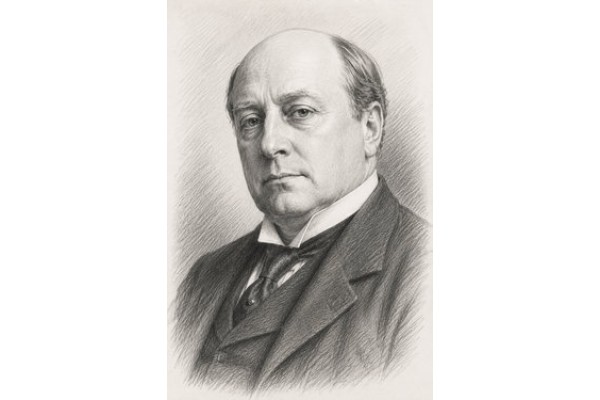
Henry James was one of the most influential novelists of the late nineteenth and early twentieth centuries, renowned for bringing exceptional psychological depth to fiction. Born in New York in 1843, he later settled in Europe, where his experiences shaped a distinctive literary voice that blended American perspectives with European culture. Explore Henry James books to discover the author's life, literary career, and access notable works, including Daisy Miller - A Study, The Turn of the Screw, The Point of View, The Pension Beaurepas , and more.