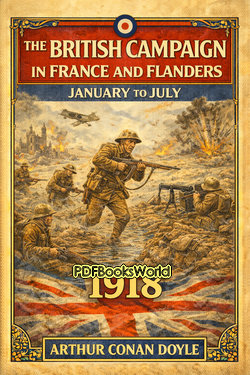
The British Campaign in France and Flanders—January to July 1918
by Arthur Conan Doyle
A Detailed Account of the Final Major Struggles on the Western Front
The British Campaign in France and Flanders—January to July 1918 by Arthur Conan Doyle is a historical and military study examining one of the most critical periods of the First World War. Covering the first half of 1918, the book describes the desperate German offensives, the defensive efforts of the Allies, and the growing momentum that would eventually lead toward Allied victory later that year.
Arthur Conan Doyle combines military analysis with vivid narrative description, documenting the enormous pressure faced by British and Allied forces during a time when the outcome of the war remained uncertain.
The work captures both the strategic complexity of modern warfare and the physical and emotional endurance demanded of soldiers fighting on the Western Front.
The Crisis of 1918
The book focuses heavily on the German spring offensives launched in early 1918 after the collapse of the Eastern Front allowed Germany to transfer troops westward. These offensives threatened Allied positions and created some of the most dangerous moments faced by British forces during the war.
Conan Doyle describes the intense fighting, rapid troop movements, defensive actions, and temporary retreats that marked the campaigns of the period. Battles along the Somme, Lys, and other sectors receive detailed attention.
The narrative also highlights the increasing cooperation between Allied armies as commanders worked to resist German advances and stabilize the front.
Main Historical Figures Discussed in the Book
- British Military Commanders: Officers directing defensive and counteroffensive operations during the crisis of 1918.
- British and Allied Soldiers: Troops enduring exhausting combat and difficult battlefield conditions.
- French Allied Leadership: Commanders coordinating joint defense efforts with British forces.
- German Military Leaders: Officers leading the final major German offensives on the Western Front.
These individuals shaped the military course of the war during one of its most uncertain phases.
The Narrative Style of Arthur Conan Doyle
Arthur Conan Doyle writes with clarity, structure, and dramatic energy. His historical style combines factual military explanation with vivid storytelling that allows readers to follow complicated campaigns and understand their emotional impact.
The work emphasizes courage, endurance, discipline, and sacrifice while also recognizing the enormous human cost of modern industrial warfare.
Conan Doyle’s skill in organizing military events into accessible narrative helped make his wartime histories widely respected and widely read.
Main Themes Explored in the Book
- Military crisis and strategic defense
- Courage, endurance, and sacrifice
- Allied cooperation during wartime
- The changing tactics of modern warfare
Why the Book Still Holds Historical Importance
The British Campaign in France and Flanders—January to July 1918 remains historically important because it documents the period when the Western Front reached one of its greatest moments of danger and uncertainty.
Readers interested in World War I often study the campaigns of 1918 because they reveal how close Germany came to achieving military success before Allied resistance and growing American involvement shifted the balance.
The book also preserves valuable contemporary perspectives on leadership, battlefield conditions, and the psychological strain of prolonged warfare.
The Lasting Significance of the 1918 Campaigns
The first half of 1918 marked the final major German attempt to win the war through decisive offensives on the Western Front. Although initially successful in several areas, the offensives ultimately failed to achieve lasting victory.
The campaigns demonstrated the importance of coordination between Allied armies and revealed how warfare had evolved through years of trench fighting, artillery use, and technological development.
Historical studies of 1918 remain essential for understanding how the First World War entered its final phase.
Final Thoughts
The British Campaign in France and Flanders—January to July 1918 by Arthur Conan Doyle is a detailed and compelling account of one of the most dangerous periods faced by Allied forces during the First World War. Through vivid historical narrative and careful military explanation, Conan Doyle captures the tension, sacrifice, and determination that shaped the Western Front in 1918.
For readers interested in military history, World War I, and historical campaign studies, this work remains both informative and historically significant.
Similar Genres
About the Author
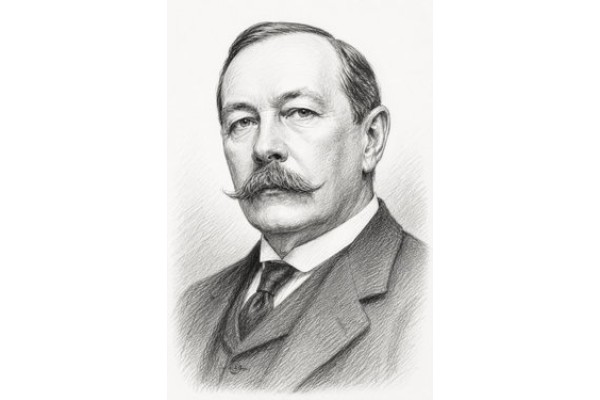
Arthur Conan Doyle occupies a unique place in literary history as the creator of Sherlock Holmes, a character whose influence extends far beyond the pages of classic fiction. Born in Edinburgh, Scotland, in 1859, Doyle trained as a physician before discovering that storytelling was his true calling. Explore Arthur Conan Doyle books to discover the author's life, literary career, and access notable works, including The Adventures of Sherlock Holmes, The Memoirs of Sherlock Holmes, The Return of Sherlock Holmes, The Hound of the Baskervilles , and more.