The British Campaign in France and Flanders 1917
by Arthur Conan Doyle
A Historical Account of Britain’s War Effort During a Crucial Year of World War I
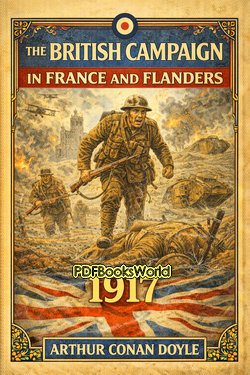
The British Campaign in France and Flanders 1917 by Arthur Conan Doyle is a detailed military history examining Britain’s operations on the Western Front during one of the most difficult and significant years of the First World War. Continuing his extensive wartime chronicles, Conan Doyle records the major battles, military strategies, and human experiences that shaped the campaigns of 1917.
The year was marked by enormous offensives, terrible battlefield conditions, and growing exhaustion among armies engaged in prolonged trench warfare. Conan Doyle combines careful military analysis with vivid storytelling, presenting both the strategic complexity of the war and the courage of the soldiers who fought it.
The book reflects the scale of sacrifice and determination required during modern industrial warfare.
The Major Campaigns of 1917
The narrative examines important military operations fought across France and Flanders during 1917. Battles such as Arras, Messines, Passchendaele, and Cambrai receive detailed attention because of their strategic importance and heavy casualties.
Conan Doyle describes the harsh realities of trench warfare, including mud-filled battlefields, artillery bombardments, machine-gun fire, and exhausting offensives carried out under difficult conditions. The Third Battle of Ypres, often associated with Passchendaele, becomes especially significant because of its terrible environmental conditions and immense loss of life.
The work also records the growing use of tanks, improved artillery coordination, and changing military tactics designed to overcome entrenched defenses.
Main Historical Figures Discussed in the Book
- British Military Commanders: Officers directing large-scale operations across the Western Front.
- British Soldiers and Volunteers: Troops enduring combat, exhaustion, and trench warfare.
- French and Allied Forces: Allied armies cooperating in major offensives.
- German Military Leadership: Commanders defending fortified positions and responding to Allied attacks.
These individuals and armies shaped the military and political course of the war during 1917.
The Historical Style of Arthur Conan Doyle
Arthur Conan Doyle writes with clarity, structure, and strong narrative energy. His ability to organize complicated military operations into understandable historical narrative helped make his war histories widely read.
The work combines strategic explanation with emotional recognition of the hardships faced by ordinary soldiers. Conan Doyle frequently emphasizes bravery, discipline, and endurance while also acknowledging the devastating human cost of the conflict.
His storytelling style gives historical events both dramatic intensity and factual detail.
Main Themes Explored in the Book
- Military strategy and trench warfare
- Courage, sacrifice, and endurance
- The technological evolution of warfare
- The human cost of prolonged conflict
Why the Book Still Holds Historical Importance
The British Campaign in France and Flanders 1917 remains historically important because it documents a critical stage of World War I when Allied armies attempted major offensives against heavily fortified German positions.
Readers interested in military history often value Conan Doyle’s detailed descriptions of battlefield operations, troop movements, and wartime leadership. The work also preserves contemporary perspectives on morale, sacrifice, and the emotional strain of prolonged war.
Its careful combination of military detail and narrative storytelling continues to make it a valuable historical resource.
The Lasting Significance of the 1917 Campaigns
The campaigns of 1917 demonstrated both the increasing sophistication of modern military tactics and the terrible difficulties of trench warfare. Battles fought during the year revealed how technology, weather, terrain, and defensive systems could produce enormous casualties even during carefully planned offensives.
The year also showed growing changes in battlefield coordination, including wider use of tanks and improved artillery support.
Historical studies of the Western Front continue to examine 1917 because of its importance in shaping the final stages of the First World War.
Final Thoughts
The British Campaign in France and Flanders 1917 by Arthur Conan Doyle is a detailed and powerful account of Britain’s military operations during one of the most challenging years of World War I. Through vivid historical narrative and careful military analysis, Conan Doyle captures the strategy, suffering, and determination that defined the Western Front in 1917.
For readers interested in military history, World War I, and historical campaign studies, this work remains both informative and historically significant.
Similar Genres
About the Author
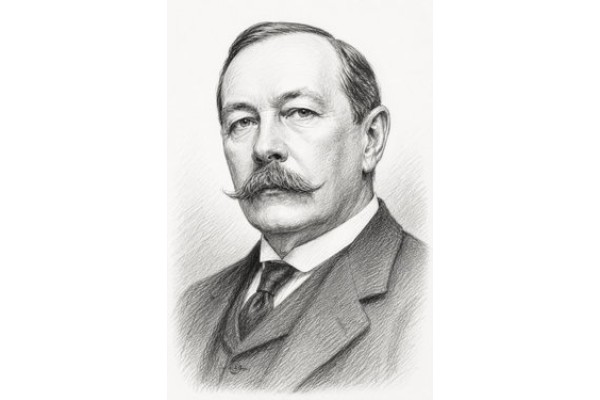
Arthur Conan Doyle occupies a unique place in literary history as the creator of Sherlock Holmes, a character whose influence extends far beyond the pages of classic fiction. Born in Edinburgh, Scotland, in 1859, Doyle trained as a physician before discovering that storytelling was his true calling. Explore Arthur Conan Doyle books to discover the author's life, literary career, and access notable works, including The Adventures of Sherlock Holmes, The Memoirs of Sherlock Holmes, The Return of Sherlock Holmes, The Hound of the Baskervilles , and more.