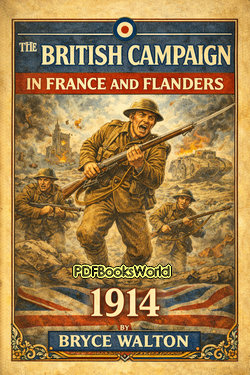
The British Campaign in France and Flanders 1914
by Arthur Conan Doyle
A Detailed History of Britain’s Early Military Operations in World War I
The British Campaign in France and Flanders 1914 is a military history work examining the opening stages of Britain’s involvement in the First World War. The book describes the early campaigns fought in France and Belgium during 1914, including the difficult battles, retreats, and strategic decisions that shaped the beginning of the conflict on the Western Front.
The narrative focuses on the experiences of British forces facing the rapid advance of the German army during the first months of the war. Through descriptions of military leadership, battlefield conditions, and troop movements, the work presents a detailed account of one of the most important periods in modern military history.
The book combines historical analysis with vivid descriptions of warfare, strategy, and human endurance under extreme conditions.
The Opening Campaigns of the First World War
The work examines major events of the 1914 campaign, including the British Expeditionary Force’s arrival on the continent and its early engagements against German forces. Battles such as Mons, Le Cateau, and the First Battle of Ypres receive significant attention because they played important roles in slowing the German advance.
The book describes the harsh realities faced by soldiers during long marches, exhausting retreats, artillery bombardments, and trench fighting that gradually transformed the nature of modern warfare.
Attention is also given to the coordination between British, French, and Belgian forces during the desperate early stages of the war.
Main Historical Figures Discussed in the Book
- British Military Commanders: Officers responsible for leading British operations during the 1914 campaign.
- British Expeditionary Force Soldiers: Troops facing intense combat during the opening months of the war.
- French and Belgian Allies: Allied forces cooperating against German military advances.
- German Military Leadership: Commanders directing the offensive campaigns across Belgium and France.
These individuals and armies shaped the course of the conflict during its critical opening phase.
The Historical and Descriptive Style of the Work
The writing combines military detail with dramatic historical narrative, helping readers understand both battlefield strategy and the human experience of war. Descriptions of movement, combat, exhaustion, and uncertainty create a vivid sense of the pressures faced by soldiers and commanders alike.
The work also emphasizes the scale and seriousness of the conflict, showing how quickly the war evolved into a devastating international struggle.
The detailed approach makes the book valuable both as military history and as a record of wartime experience.
Main Themes Explored in the Book
- Military strategy and battlefield operations
- Endurance, sacrifice, and courage during war
- The transformation of modern warfare
- International conflict and alliance cooperation
Why the Book Still Holds Historical Importance
The British Campaign in France and Flanders 1914 remains historically important because it documents the opening phase of World War I, a conflict that reshaped global politics, society, and military history.
Readers interested in military studies and twentieth-century history often value detailed campaign histories because they explain how early decisions and battles influenced the wider course of the war.
The work also preserves insight into the experiences of soldiers confronting the brutal realities of industrial warfare for the first time.
The Lasting Significance of the 1914 Campaign
The campaigns fought in France and Flanders during 1914 prevented a rapid German victory and marked the beginning of prolonged trench warfare on the Western Front. The battles demonstrated both the strengths and limitations of modern armies during a period of rapid technological change.
The conflict introduced new levels of destruction involving artillery, machine guns, and large-scale mobilization.
Historical studies of the 1914 campaign continue to help readers understand the origins and consequences of the First World War.
Final Thoughts
The British Campaign in France and Flanders 1914 is a detailed and powerful account of Britain’s early military operations during the First World War. Through descriptions of strategy, combat, and human endurance, the work captures the uncertainty and intensity of the war’s opening months.
For readers interested in military history, World War I, and historical campaign studies, this book remains both informative and historically significant.
Similar Genres
About the Author
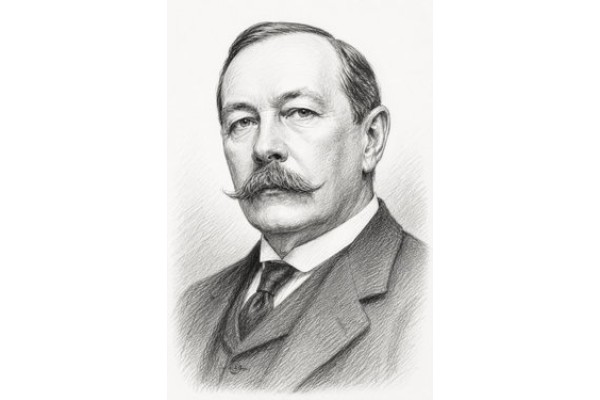
Arthur Conan Doyle occupies a unique place in literary history as the creator of Sherlock Holmes, a character whose influence extends far beyond the pages of classic fiction. Born in Edinburgh, Scotland, in 1859, Doyle trained as a physician before discovering that storytelling was his true calling. Explore Arthur Conan Doyle books to discover the author's life, literary career, and access notable works, including The Adventures of Sherlock Holmes, The Memoirs of Sherlock Holmes, The Return of Sherlock Holmes, The Hound of the Baskervilles , and more.