
The Bostonians Vol II
by Henry James
Emotional Tension and Ideological Conflict Deepen in the Second Volume
The Bostonians Vol II by Henry James continues the psychologically rich and socially complex story of politics, personal influence, and emotional rivalry. As the relationships between Olive Chancellor, Basil Ransom, and Verena Tarrant become more intense, the novel explores how love, ambition, and ideology can become deeply entangled.
Henry James carefully develops the emotional and political conflicts introduced in the first volume. Conversations, social gatherings, and private emotional struggles slowly reveal the competing desires shaping each character’s actions.
The result is a thoughtful continuation of one of James’s most debated and psychologically layered novels.
Verena Tarrant Becomes the Center of Conflict
In this volume, Verena’s growing popularity as a public speaker increases the emotional tension between Olive and Basil. Olive hopes Verena will dedicate herself fully to the women’s reform movement and remain emotionally loyal to her.
Basil, however, sees Verena differently. He becomes increasingly determined to draw her away from political activism and toward a more traditional personal life.
Verena herself remains emotionally uncertain, caught between competing influences, personal affection, and the desire for independence.
Important Characters in Volume II
Characters
- Verena Tarrant
A talented and emotionally impressionable young woman struggling to define her own future. - Olive Chancellor
A passionate reformer whose emotional attachment to Verena grows increasingly intense. - Basil Ransom
A confident and traditional man determined to influence Verena’s choices. - Members of Boston Society
Social reformers, intellectuals, and observers who contribute to the political atmosphere surrounding the characters.
The emotional relationships between these characters become more complicated and emotionally charged throughout the story.
A Subtle and Psychological Writing Style
Henry James continues to use a reflective and psychologically detailed style throughout The Bostonians Vol II. Emotional tension develops through conversation, hesitation, and conflicting motives rather than dramatic action.
James carefully reveals how personal feelings influence political beliefs and social behavior. Characters often struggle to separate idealism from emotional desire or personal insecurity.
This subtle storytelling creates emotional realism and intellectual complexity.
Main Themes Explored Throughout the Volume
Themes
- Politics and Personal Desire
The novel shows how political ideals can become emotionally personal and possessive. - Freedom and Influence
Verena struggles between outside pressure and her own uncertain identity. - Tradition Versus Social Progress
The conflict between Basil and Olive reflects larger cultural debates about gender and society. - Emotional Dependency and Control
Several relationships involve attempts to shape or direct another person’s life.
These themes deepen the emotional and philosophical complexity of the novel.
Henry James’s Insight Into Human Motivation
The Bostonians Vol II demonstrates Henry James’s extraordinary ability to explore hidden emotional motives beneath public behavior. Political arguments in the novel are never purely intellectual because they are closely connected to love, loneliness, ambition, and personal need.
James portrays each character with psychological depth and avoids simple moral judgments. Readers are invited to understand conflicting perspectives rather than accept easy answers.
The novel’s emotional subtlety continues to make it one of James’s most intellectually fascinating works.
Why the Novel Still Feels Modern Today
Even today, The Bostonians continues to resonate because its themes remain highly relevant. Readers still recognize debates about gender roles, political activism, emotional influence, and personal independence.
The novel also feels modern because of its realistic portrayal of complicated relationships and ideological conflict. James explores emotional manipulation and social pressure with remarkable sensitivity.
For readers interested in literary classics, social criticism, and psychologically rich fiction, this second volume remains intelligent, emotionally engaging, and deeply thought-provoking.
Similar Genres
About the Author
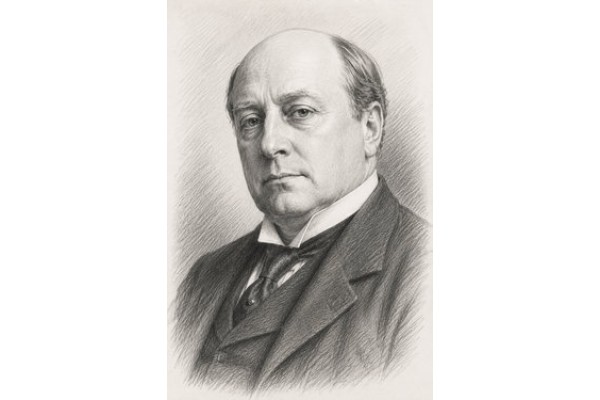
Henry James was one of the most influential novelists of the late nineteenth and early twentieth centuries, renowned for bringing exceptional psychological depth to fiction. Born in New York in 1843, he later settled in Europe, where his experiences shaped a distinctive literary voice that blended American perspectives with European culture. Explore Henry James books to discover the author's life, literary career, and access notable works, including Daisy Miller - A Study, The Turn of the Screw, The Point of View, The Pension Beaurepas , and more.