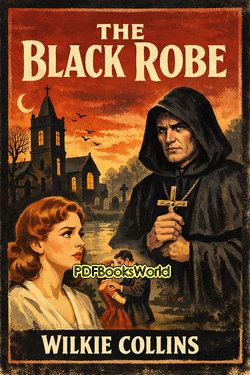
The Black Robe
by Wilkie Collins
Hidden Identities, Religious Secrecy, and Dangerous Pursuit Across Victorian Europe
The Black Robe by Wilkie Collins is a suspenseful Victorian mystery combining secret identities, inheritance disputes, psychological tension, religious intrigue, and international conspiracy. Filled with deception, surveillance, emotional conflict, and hidden motives, the novel explores how power and manipulation can flourish beneath respectable appearances and rigid institutions.
Collins creates a tense atmosphere where trust becomes fragile and every revelation uncovers deeper uncertainty.
A Young Woman Becomes Entangled in a Dangerous Secret
The story follows Stella Eyrecourt, a spirited and intelligent young woman whose life becomes increasingly complicated after mysterious events surrounding family inheritance and hidden personal histories begin surfacing.
As suspicious figures emerge and strange coincidences multiply, Stella finds herself drawn into conflicts involving concealed identities, political fears, and shadowy individuals connected to religious authority.
The “black robe” of the title symbolizes secrecy, influence, and hidden control associated with certain powerful religious figures moving quietly behind the scenes.
Letters disappear, alliances shift, and emotional loyalties become uncertain as characters attempt to uncover truth while protecting themselves from manipulation.
The suspense gradually intensifies through hidden observation, psychological pressure, and carefully concealed motives.
The Figures Within the Mystery
- Stella Eyrecourt: An independent and perceptive young woman confronting hidden dangers and emotional uncertainty.
- The Mysterious Religious Figures: Secretive individuals connected to influence, surveillance, and concealed political or personal agendas.
- The Families and Guardians: Victorian households shaped by inheritance, reputation, and hidden tensions.
- The Investigators and Allies: Characters attempting to uncover truth within a world governed by secrecy and deception.
The uncertainty surrounding identity and motive gives the novel much of its psychological suspense.
Authority and Manipulation Behind Respectable Appearances
One of the novel’s strongest ideas is that institutions and outward respectability can conceal hidden systems of control and emotional manipulation. Collins explores fears surrounding secrecy, influence, and the misuse of authority within both personal and social relationships.
The story repeatedly questions whether appearances of morality and discipline truly reflect inner truth.
Characters must constantly decide whom to trust while navigating misinformation, emotional pressure, and concealed agendas.
This atmosphere of uncertainty became one of Collins’s signature literary strengths.
Major Themes Running Through the Novel
- Hidden Identity and Secrecy: Concealed pasts and disguised intentions shape the unfolding mystery.
- Manipulation and Psychological Control: Characters attempt to influence others through secrecy, fear, and emotional pressure.
- Religion and Authority: Institutional power becomes associated with surveillance and hidden influence.
- Trust and Emotional Vulnerability: Relationships become unstable within a world filled with deception and suspicion.
Collins’s Mastery of Victorian Suspense
The Black Robe demonstrates Wilkie Collins’s remarkable ability to build suspense through atmosphere, psychological uncertainty, and carefully revealed information. Rather than relying on constant action, he creates tension through conversation, observation, emotional conflict, and hidden knowledge.
The European settings and international intrigue add breadth and sophistication to the narrative.
Collins balances mystery, romance, and social anxiety with impressive control.
Why the Novel Still Engages Modern Readers
Modern readers continue enjoying The Black Robe because its themes of hidden influence, institutional secrecy, emotional manipulation, and uncertain identity remain highly relevant.
The novel also preserves the addictive suspense and psychological complexity that helped make Collins one of the pioneers of modern mystery fiction.
For readers interested in Victorian sensation novels, gothic suspense, psychological intrigue, and mysteries filled with hidden agendas and secret histories, this work remains atmospheric, intelligent, and deeply compelling.
Similar Genres
About the Author
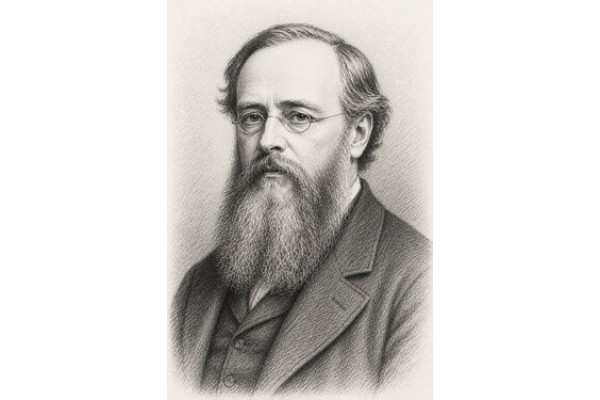
Wilkie Collins earned a lasting reputation as one of the pioneers of modern mystery and sensation fiction. Born in London in 1824, he developed a storytelling style that combined suspense, memorable characters, and carefully constructed plots, keeping readers engaged from beginning to end. Explore Wilkie Collins books to discover the author's life, literary career, and access notable works, including The Moonstone, The Woman in White, After Dark, Basil , and more.