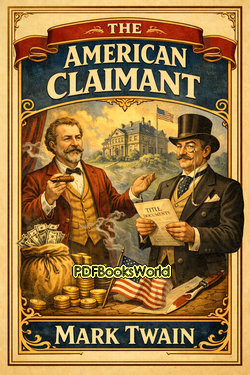
The American Claimant
by Mark Twain
An Ordinary American Suddenly Dreams of Nobility, Wealth, and Aristocratic Glory
The American Claimant by Mark Twain is a humorous and satirical novel that explores social ambition, class identity, democracy, and the strange fascination Americans often had with European aristocracy. Through mistaken identities, exaggerated dreams, and comic social situations, Twain examines how people become obsessed with status and titles even while claiming to value equality.
The story blends political satire, romantic comedy, and playful social criticism, creating a novel that constantly shifts between absurd humor and serious reflection about society and human ambition.
At its center lies a simple but powerful question: why do people chase prestige and inherited status so eagerly?
A Change in Identity Creates Chaos and Opportunity
The novel follows Mulberry Sellers and other characters whose lives become tangled through claims involving noble titles and inheritance. One central figure unexpectedly discovers a possible connection to aristocratic privilege, creating excitement, confusion, and unrealistic dreams.
As the idea of noble identity spreads, characters begin imagining lives filled with wealth, importance, and social admiration.
The situation allows Twain to explore:
- The attraction of social prestige
- The fantasy of sudden success
- The conflict between democracy and aristocracy
- Human vanity and ambition
- The absurdity of inherited status
These themes drive much of the novel’s comedy.
Mulberry Sellers Dominates the Story With Comic Energy
One of Twain’s most memorable comic characters, Colonel Mulberry Sellers, plays a major role throughout the novel. Sellers constantly invents grand schemes and impossible dreams of future success.
Endless Optimism
No matter how unrealistic his plans become, Sellers remains enthusiastically confident.
Comic Exaggeration
His speeches and ambitions grow larger and more ridiculous with every new idea.
Symbol of American Dreaming
Sellers represents both the energy and foolishness connected to limitless ambition.
His personality adds humor and movement to nearly every scene.
Twain Satirizes Both American and European Society
The novel does not criticize only aristocracy. Twain also mocks Americans who claim to believe in equality while secretly admiring titles, wealth, and social distinction.
The satire targets:
- Social climbing and pretension
- Blind admiration of nobility
- Political hypocrisy
- The obsession with wealth and reputation
- The contradiction between democratic ideals and social ambition
Twain suggests that vanity and status-seeking exist in every society regardless of political system.
The Writing Style Feels Playful and Theatrical
The novel moves quickly through comic misunderstandings, dramatic speeches, and exaggerated situations. Twain balances satire with lively dialogue and energetic storytelling.
Comic Conversations
Characters frequently reveal their foolishness through overly confident speech.
Absurd Situations
Mistaken identities and unrealistic dreams create escalating confusion.
Sharp Irony
Twain constantly contrasts public ideals with private desires.
This energetic style keeps the satire entertaining rather than overly serious.
The Novel Reflects Changing American Society
During the late nineteenth century, the United States was experiencing rapid economic growth and increasing social inequality. Wealth and status became powerful social forces even within a country proud of democratic values.
The American Claimant reflects these tensions by showing characters torn between:
- Democratic ideals and aristocratic fantasy
- Ordinary identity and social ambition
- Practical reality and unrealistic dreams
These conflicts give the comedy broader social meaning.
A Funny and Thoughtful Twain Satire About Status and Ambition
The American Claimant remains interesting because it combines energetic humor with sharp observations about class, vanity, and the human desire for recognition. Mark Twain exposes how easily people abandon their principles when wealth, titles, or prestige become possible.
Readers interested in social satire, comic misunderstandings, and character-driven humor may especially enjoy the novel’s lively atmosphere and ironic commentary. Beneath the absurd situations lies a clever examination of ambition, identity, and the endless attraction of status.
Similar Genres
About the Author

Mark Twain, the pen name of Samuel Langhorne Clemens, remains one of America's most beloved authors and humorists. Born in Missouri in 1835, he drew inspiration from his experiences along the Mississippi River, transforming everyday life into unforgettable stories filled with wit, adventure, and social insight. Explore Mark Twain books to discover the author's life, literary career, and access notable works, including Adventures of Huckleberry Finn, The Adventures of Tom Sawyer, Life on the Mississippi, Roughing It , and more.