
The Altar of the Dead
by Henry James
A Moving Meditation on Memory, Grief, and the Lasting Power of the Past
The Altar of the Dead by Henry James is a haunting and emotional novella that explores memory, mourning, forgiveness, and the deep connections people maintain with those who have died. Through quiet psychological storytelling, Henry James examines how grief can shape a person’s inner life long after loss has occurred.
Rather than focusing on dramatic events, the novella develops through reflection, emotional tension, and symbolic meaning. James creates a thoughtful and intimate atmosphere where memory becomes almost sacred.
The result is a deeply reflective story about love, regret, loyalty, and the emotional weight of the past.
A Man Devoted to Remembering the Dead
The story centers on George Stransom, a thoughtful man who dedicates much of his life to honoring the memory of deceased friends and loved ones. He creates a private “altar” filled with candles, each one symbolizing someone important who has passed away.
For Stransom, memory becomes a form of emotional devotion and personal responsibility. However, one painful absence remains connected to a former friendship damaged by conflict and misunderstanding.
As the story progresses, Stransom encounters another person whose grief and emotional loyalty begin to affect his understanding of forgiveness and remembrance.
Important Characters in the Novella
Characters
- George Stransom
A reflective man deeply committed to preserving the memory of the dead. - Mrs. Acton Hague
A mysterious and emotionally reserved woman connected to Stransom’s painful past. - The Absent Dead
Though no longer living, the remembered individuals strongly influence the emotional atmosphere of the story.
The emotional relationship between memory and personal connection drives the novella’s quiet tension.
A Reflective and Symbolic Writing Style
Henry James uses a slow and introspective style throughout The Altar of the Dead. Much of the emotional power comes from thought, silence, and symbolic imagery rather than external action.
The altar itself becomes a powerful symbol of memory, loyalty, and emotional attachment. James carefully explores how grief can both comfort and isolate individuals.
The elegant prose creates a solemn and meditative atmosphere that remains emotionally powerful throughout the story.
Main Themes Explored Throughout the Story
Themes
- Memory and Remembrance
The novella explores the emotional importance of honoring those who have died. - Grief and Emotional Isolation
Stransom’s devotion to the past affects his ability to move forward in life. - Forgiveness and Reconciliation
The story examines whether emotional wounds can heal after death. - The Lasting Influence of the Past
James reflects on how memories continue shaping identity and emotion over time.
These themes give the novella emotional depth and philosophical richness.
One of Henry James’s Most Emotional Short Works
The Altar of the Dead stands out because of its emotional sincerity and symbolic beauty. Henry James transforms private grief into a universal reflection on love, regret, and human connection.
The novella also demonstrates James’s remarkable ability to create emotional intensity through subtle psychological detail. Small conversations and quiet realizations carry deep emotional significance.
The story’s meditative atmosphere leaves a lasting impression on thoughtful readers.
Why the Novella Still Resonates Today
Even today, The Altar of the Dead continues to affect readers because its themes are timeless and deeply human. Most people understand the emotional desire to preserve memory and remain connected to those who are gone.
The novella also feels modern in its psychological sensitivity and emotional realism. James explores grief and remembrance with extraordinary care and intelligence.
For readers interested in literary classics, reflective fiction, and emotionally thoughtful storytelling, this novella remains a moving and unforgettable experience.
Similar Genres
About the Author
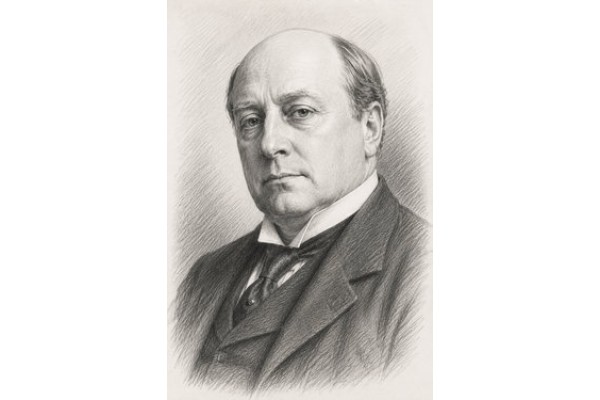
Henry James was one of the most influential novelists of the late nineteenth and early twentieth centuries, renowned for bringing exceptional psychological depth to fiction. Born in New York in 1843, he later settled in Europe, where his experiences shaped a distinctive literary voice that blended American perspectives with European culture. Explore Henry James books to discover the author's life, literary career, and access notable works, including Daisy Miller - A Study, The Turn of the Screw, The Point of View, The Pension Beaurepas , and more.