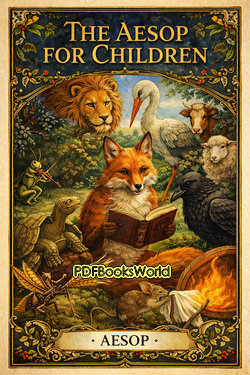
The Aesop for Children
by Aesop
A Timeless Collection of Animal Fables Filled With Wisdom and Moral Lessons
The Aesop for Children by Aesop is one of the most beloved collections of moral stories ever created. The book gathers classic fables featuring animals and simple characters who teach important lessons about honesty, kindness, wisdom, patience, and human behavior.
Originally passed down through oral storytelling in ancient Greece, Aesop’s fables became famous around the world because of their short, memorable narratives and meaningful moral lessons. These stories played a major role in the development of fable literature and moral storytelling.
About Aesop
Aesop is traditionally believed to have been an ancient Greek storyteller known for creating moral fables using animals as symbolic characters. Although historians debate the exact details of his life, his stories became some of the most widely shared tales in literary history.
The fables have been translated into many languages and adapted for children and adults across different cultures and generations.
Main Themes of the Book
The stories use simple situations and talking animals to teach practical lessons about life, character, and decision-making.
Important Themes Discussed
- Honesty and integrity
- Wisdom and careful thinking
- Kindness and fairness
- The consequences of greed, pride, and dishonesty
Each fable ends with a moral lesson that encourages readers to reflect on human behavior and personal choices.
Famous Fables and Their Lessons
The collection includes many well-known stories such as “The Tortoise and the Hare,” “The Boy Who Cried Wolf,” and “The Fox and the Grapes.” These tales remain popular because of their simple storytelling and universal lessons.
Through clever animal characters and short narratives, the fables explain important ideas in ways that are easy for children and adults to remember.
What Makes the Collection Unique
- Short and memorable moral stories
- Animal characters with symbolic meaning
- Timeless lessons for readers of all ages
Writing Style
The writing style is simple, direct, and easy to understand. The stories are brief but meaningful, allowing readers to quickly understand both the narrative and its lesson.
The use of animals and humor makes the fables entertaining while also encouraging thoughtful reflection.
Historical Importance
The Aesop for Children became one of the most influential collections in the history of children’s literature and traditional storytelling. The fables shaped educational literature and moral instruction for centuries.
Historical Features
- Preservation of ancient oral storytelling traditions
- Influence on moral education and children’s books
- Global popularity across cultures and generations
The stories also influenced later writers, educators, and storytellers throughout world literature.
Lessons for Modern Readers
Modern readers continue to enjoy Aesop’s fables because the lessons remain relevant in everyday life. The stories encourage honesty, patience, wisdom, and compassion while warning against selfishness and arrogance.
The collection also demonstrates how simple storytelling can communicate important truths in a memorable way.
Conclusion
The Aesop for Children by Aesop remains a timeless classic filled with wisdom, humor, and moral insight. Through simple animal stories and unforgettable lessons, the collection continues to educate and entertain readers around the world.
Similar Genres
About the Author
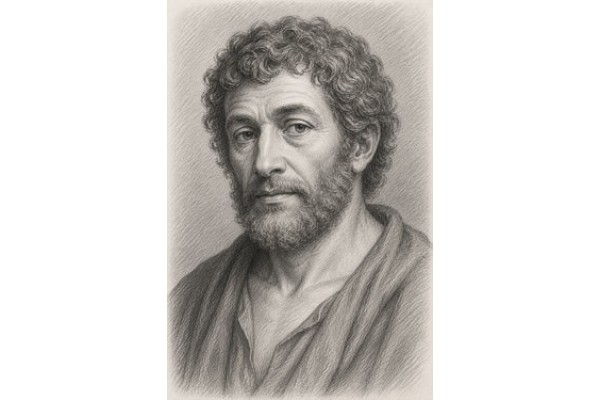
Aesop was the legendary ancient Greek storyteller whose timeless fables have educated and entertained readers for more than two thousand years. Believed to have lived during the sixth century BC, Aesop is traditionally credited with creating hundreds of short moral tales featuring animals, ordinary people, and mythical creatures. Explore Aesop books to discover the author's life, literary career, and access notable works, including Aesop's Fables , and more.