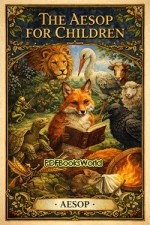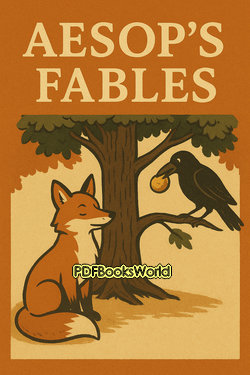
Aesop's Fables
by Aesop
Timeless Wisdom in Aesop’s Fables
Aesop's Fables: A New Revised Version From Original Sources remains one of the most influential collections of moral stories ever written. Originally passed down through oral tradition in ancient Greece, these short tales use animals, nature, and simple situations to teach lessons about honesty, greed, patience, pride, and wisdom. The collection has inspired readers for centuries and continues to be popular among children and adults alike.
The Origins of Aesop’s Fables
The stories are traditionally connected to Aesop, a legendary storyteller believed to have lived between 620 BCE and 564 BCE. Although historians debate whether Aesop was a real person, the fables connected to his name became some of the most widely translated stories in literary history.
Readers can explore more about Aesop through Wikipedia’s Aesop overview and Encyclopaedia Britannica’s article on Aesop.
Why These Stories Remain Popular
Aesop’s fables are simple, but their messages remain meaningful in modern life. The stories are short enough for young readers while also containing deeper lessons for adults.
Key Reasons for Their Lasting Appeal
- Easy-to-understand storytelling
- Memorable animal characters
- Strong moral lessons
- Universal human themes
- Short and engaging narratives
Because of these qualities, the fables are still widely used in schools, literature studies, and children’s education around the world.
Famous Fables That Readers Still Love
The Fox and the Grapes
This famous story gave rise to the phrase “sour grapes,” describing people who criticize what they cannot obtain.
The Tortoise and the Hare
One of the best-known fables in history, this story teaches that patience and consistency often defeat overconfidence.
The Boy Who Cried Wolf
This classic tale warns about the dangers of dishonesty and false alarms.
The Lion and the Mouse
A story showing that even the smallest acts of kindness can have great value.
Literary Importance of the Collection
The fables influenced countless writers, educators, and philosophers throughout history. Many later authors adapted these stories into poems, plays, and children’s books. The collection also helped shape moral storytelling traditions across Europe and beyond.
Students and literature enthusiasts can also explore related analysis through CliffsNotes literature resources.
Educational Value for Modern Readers
Teachers still use Aesop’s fables because they encourage:
- Critical thinking
- Ethical understanding
- Reading comprehension
- Vocabulary development
- Moral discussion among children
The stories are especially effective because they communicate complex ideas using simple language and memorable situations.
Different Versions of the Fables
Over time, many translators and editors created different editions of the stories. Project Gutenberg alone hosts several notable versions, including illustrated editions and expanded collections.
The Enduring Legacy of Aesop
The lasting success of Aesop’s fables proves that simple storytelling can carry powerful truths across generations. Even after thousands of years, these tales continue to teach wisdom about human behavior, honesty, ambition, kindness, and common sense. Their timeless lessons ensure that the stories will remain relevant for future readers around the world.
Similar Genres
About the Author
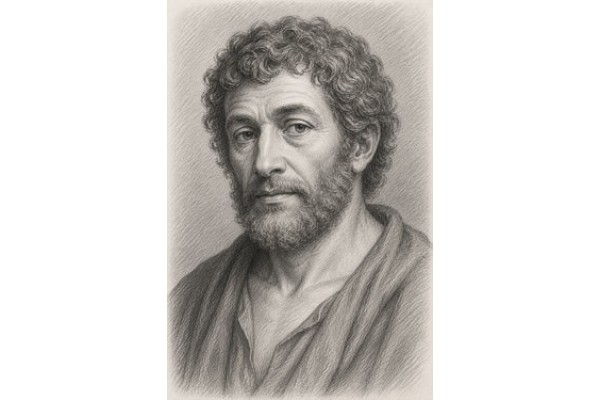
Aesop was the legendary ancient Greek storyteller whose timeless fables have educated and entertained readers for more than two thousand years. Believed to have lived during the sixth century BC, Aesop is traditionally credited with creating hundreds of short moral tales featuring animals, ordinary people, and mythical creatures. Explore Aesop books to discover the author's life, literary career, and access notable works, including The Aesop for Children , and more.