The $30,000 Bequest, and Other Stories
by Mark Twain
Fortune, Misfortune, and Human Foolishness Collide in Twain’s Sharp Short Fiction
The $30,000 Bequest, and Other Stories by Mark Twain gathers together a collection of tales filled with satire, irony, dark humor, and unexpected emotional insight. Across these stories, Twain examines greed, ambition, luck, pride, social behavior, and the strange decisions people make when money or reputation enters their lives.
Rather than presenting simple moral lessons, the collection often exposes human weakness through comedy and exaggeration. Some stories feel playful and absurd, while others carry a more cynical or reflective tone beneath the humor.
The variety of subjects and moods keeps the collection lively and unpredictable from beginning to end.
The Famous Title Story Turns Wealth Into Disaster
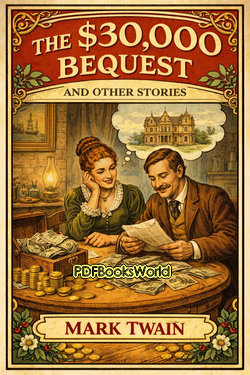
The best-known story in the collection follows a modest couple who unexpectedly inherit the promise of thirty thousand dollars. Although they do not immediately possess the money, the mere expectation of future wealth completely changes their behavior and outlook.
As dreams of luxury and status grow larger, practical judgment slowly disappears. Twain uses the situation to show how the fantasy of wealth can become just as dangerous as greed itself.
The story explores:
- The emotional effects of sudden financial hope
- Social ambition and vanity
- The gap between fantasy and reality
- How money changes personal relationships
- The comic absurdity of human optimism
These ideas give the story both humor and sharp social criticism.
The Collection Constantly Shifts Between Comedy and Satire
One reason the stories remain entertaining is Twain’s ability to move naturally between playful humor and biting commentary.
Comic Exaggeration
Characters often become trapped by their own unrealistic dreams and foolish decisions.
Social Criticism
Twain mocks greed, pretension, dishonesty, and blind optimism throughout the collection.
Unexpected Irony
Many stories lead characters toward outcomes completely different from what they expect.
This mixture keeps the humor lively while giving the stories deeper meaning.
Twain Reveals the Weaknesses Hidden Beneath Respectability
Throughout the collection, seemingly ordinary people reveal selfishness, pride, fear, or irrational behavior once temptation or opportunity appears. Twain repeatedly questions whether people truly act according to reason and morality.
The stories reflect recurring themes such as:
- The corrupting influence of greed
- The foolishness of social ambition
- The unpredictability of luck and fortune
- The difference between appearance and reality
- The human tendency toward self-deception
These observations give the collection its distinctly Twain-like skepticism.
The Writing Style Feels Conversational and Clever
Twain’s prose remains approachable and energetic even when dealing with serious ideas. His storytelling often sounds conversational, allowing humor and irony to emerge naturally through dialogue and narration.
Dry Humor
Much of the comedy depends on understatement and ironic contrast.
Sharp Observation
Twain notices small details of behavior that reveal larger human weaknesses.
Fast Narrative Movement
The stories often move quickly toward ironic or surprising conclusions.
This lively style helps the collection remain engaging throughout.
The Stories Reflect American Society and Human Nature
Although written during the late nineteenth century, many of the stories still feel recognizable because they focus on timeless human desires and anxieties. Money, reputation, ambition, and social competition continue influencing people in similar ways today.
Twain’s characters frequently chase success or security only to discover:
- Wealth does not guarantee happiness
- Pride often leads to foolish choices
- Human beings are easily misled by fantasy
- Society rewards appearance as much as truth
These insights help explain the collection’s lasting relevance.
A Clever and Entertaining Showcase of Twain’s Satirical Talent
The $30,000 Bequest, and Other Stories remains memorable because it combines humor with sharp understanding of human behavior. Mark Twain exposes greed, vanity, optimism, and social ambition with wit that still feels modern and surprisingly honest.
Readers interested in satirical short fiction and character-driven humor may especially enjoy the collection’s variety and intelligence. Beneath the laughter lies a thoughtful and often critical examination of how easily people can be influenced by money, dreams, and illusion.
Similar Genres
About the Author
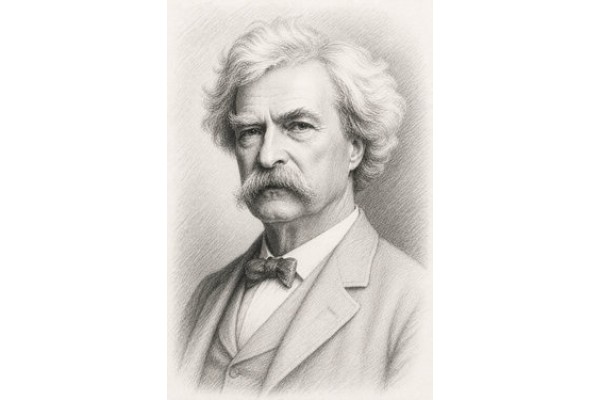
Mark Twain, the pen name of Samuel Langhorne Clemens, remains one of America's most beloved authors and humorists. Born in Missouri in 1835, he drew inspiration from his experiences along the Mississippi River, transforming everyday life into unforgettable stories filled with wit, adventure, and social insight. Explore Mark Twain books to discover the author's life, literary career, and access notable works, including Adventures of Huckleberry Finn, The Adventures of Tom Sawyer, Life on the Mississippi, Roughing It , and more.