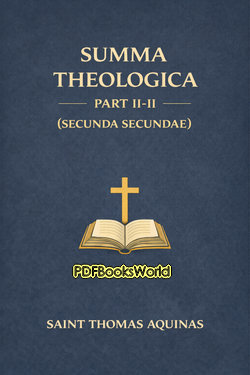
Summa Theologica, Part II-II (Secunda Secundae)
by Saint Thomas Aquinas
Virtue, Moral Life, and the Detailed Practice of Christian Ethics
Summa Theologica, Part II-II (Secunda Secundae) by Saint Thomas Aquinas is the section of Aquinas’ monumental theological work devoted to the detailed examination of virtues, vices, moral conduct, and the practical application of Christian ethics. Often called the Second Part of the Second Part, this portion of the Summa Theologica explores how human beings should live in accordance with divine law, reason, and spiritual virtue.
Aquinas presents moral theology as a disciplined study of character, action, and the soul’s movement toward God through wisdom, justice, charity, faith, and disciplined living.
The Structure of the Moral and Spiritual Life
The book systematically examines the theological virtues of faith, hope, and charity together with the cardinal virtues of prudence, justice, temperance, and courage. Aquinas explains how these virtues shape moral character and guide human beings toward spiritual fulfillment and ethical conduct.
He also discusses specific moral questions involving truthfulness, humility, obedience, friendship, mercy, patience, greed, anger, pride, envy, and many other aspects of personal and social behavior.
Rather than presenting morality merely as obedience to rules, the work describes virtue as the cultivation of habits that align human desires and actions with reason and divine goodness.
The volume reflects the mature development of medieval scholastic ethics and the influence of both Christian theology and Aristotelian philosophy.
Its tone combines analytical precision with spiritual seriousness and moral reflection.
Faith, Charity, and the Perfection of the Soul
A major theme throughout the book is that charity, understood as divine love, stands above all other virtues because it unites the soul with God and directs all moral action toward genuine goodness.
Aquinas repeatedly explains that external actions possess true moral value only when guided by rightly ordered intention and love.
The work also emphasizes that faith and hope support spiritual growth while virtue gradually transforms human character and behavior.
This vision of morality as inward formation rather than external conformity became one of the defining features of Christian ethical thought.
Theological and Ethical Topics Explored Throughout the Book
- Faith, Hope, and Charity: Aquinas examines the theological virtues guiding humanity toward God.
- Prudence, Justice, Temperance, and Courage: Moral virtues shape disciplined and rational human conduct.
- Sin, Vice, and Moral Weakness: The work explores pride, greed, envy, anger, and other moral failures.
- Truthfulness, Mercy, and Humility: Ethical living is connected to compassion, honesty, and self-discipline.
- The Moral Formation of Character: Virtue is presented as a cultivated habit directing the soul toward goodness.
The book stands among the greatest systematic explorations of virtue ethics in Western intellectual history.
The Relationship Between Virtue and Human Happiness
One of the work’s strongest ideas is that true human fulfillment arises through virtuous living aligned with reason, divine law, and spiritual purpose.
Aquinas repeatedly demonstrates that moral discipline and virtue lead not to restriction, but to deeper freedom, wisdom, and spiritual peace.
The book also reveals how human weakness and temptation may be overcome gradually through habit, grace, and moral formation.
This integration of ethics, psychology, and theology deeply influenced later Christian philosophy and moral teaching.
Thomas Aquinas’ Scholastic Ethical Method
Summa Theologica, Part II-II demonstrates Thomas Aquinas’ extraordinary ability to organize complex ethical and theological questions into systematic argument and logical structure.
The writing follows the scholastic method of presenting objections, responses, distinctions, and conclusions while carefully analyzing specific virtues and moral problems.
Aquinas consistently seeks intellectual clarity while addressing profound questions concerning character, morality, and spiritual perfection.
Why the Book Still Holds Philosophical and Religious Importance
Modern readers continue finding Summa Theologica, Part II-II important because it remains one of the most comprehensive studies of virtue, ethics, and moral psychology ever written.
The work also provides insight into medieval theology and the long intellectual tradition seeking to unite morality, reason, and spiritual life within a coherent ethical system.
Its discussions of virtue, vice, charity, justice, humility, and moral character continue influencing theology, philosophy, ethics, and religious education today.
For readers interested in theology, ethics, Christianity, medieval philosophy, virtue theory, moral psychology, scholasticism, and the history of ideas, this work remains intellectually monumental, spiritually influential, and philosophically enduring.
Similar Genres
About the Author
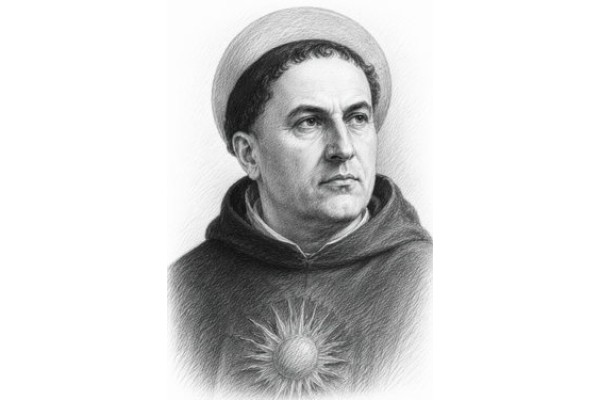
Saint Thomas Aquinas was an Italian Dominican friar, philosopher, theologian, and author whose writings became the foundation of medieval Scholastic philosophy and Christian theology. Born near Aquino in the Kingdom of Sicily around 1225, Aquinas devoted his life to reconciling faith with reason through rigorous philosophical inquiry and biblical scholarship. Explore Saint Thomas Aquinas books to discover the author's life, literary career, and access notable works, including Summa Theologica, Part I-II (Pars Prima Secundae) , and more.